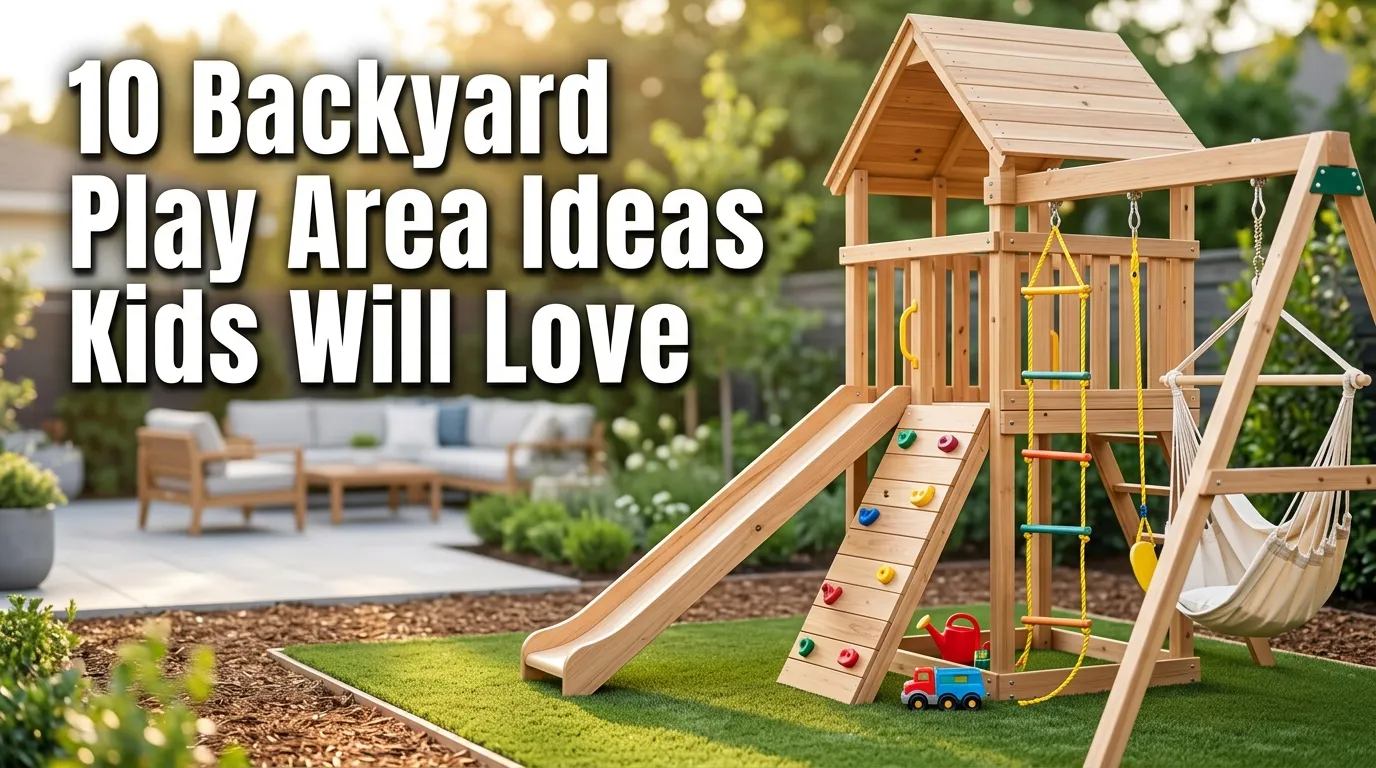
10 Backyard Play Area Ideas Kids Will Love
A backyard can be so much more than a patch of grass with a few outdoor toys scattered around. With a little planning, even a modest outdoor space can become a place where kids run, imagine, build, explore, and spend hours away from screens.
The best backyard play spaces don’t necessarily require a huge budget or a massive yard. In my experience, the most successful spaces are the ones that combine fun with thoughtful design. A simple sandbox tucked beneath a tree, a cozy reading nook, or a small climbing structure can completely change how children use an outdoor area.
The key is to think about the backyard from a child’s perspective while still considering how it fits into your home. Parents usually want something attractive, organized, durable, and easy to maintain. Kids, on the other hand, want places to climb, hide, dig, create, splash, and pretend. The sweet spot is a design that gives them freedom while keeping the overall backyard comfortable for the whole family.
Whether you have a large lawn, a narrow side yard, or a compact suburban backyard, there are plenty of ways to create an inviting play zone. You can use natural materials, inexpensive DIY elements, existing landscaping, and flexible furniture to make the space feel intentional rather than cluttered.
These ideas range from simple weekend projects to more involved backyard features. You can choose one idea as a starting point or combine several to create a complete outdoor play environment.
Table of Contents
1. Natural Adventure Zone
A nature-inspired play space encourages imaginative outdoor play while blending beautifully with the surrounding landscape.
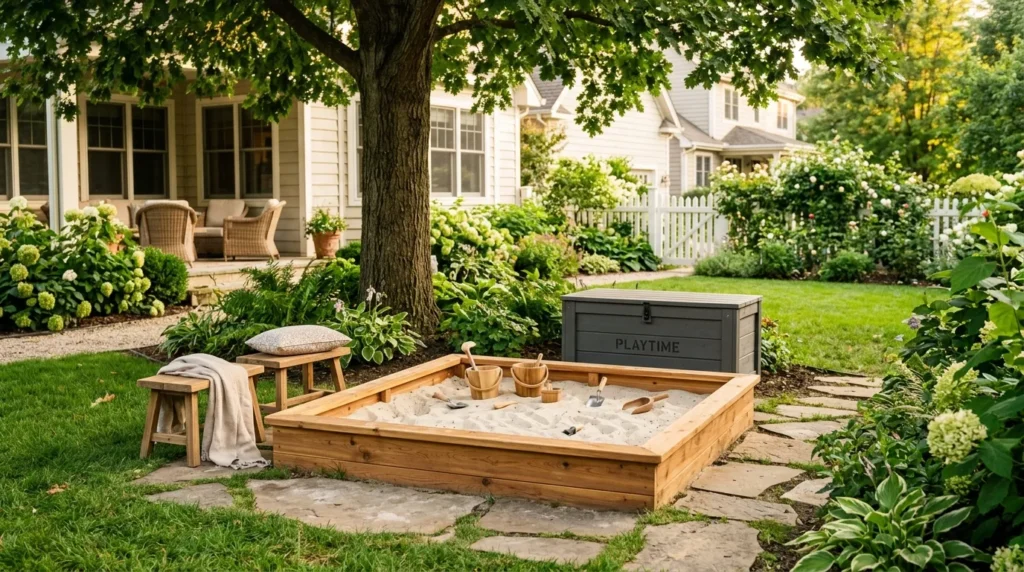
2. Cozy Sandbox Corner
A dedicated sandbox gives children a place to dig, build, create, and enjoy independent outdoor play.
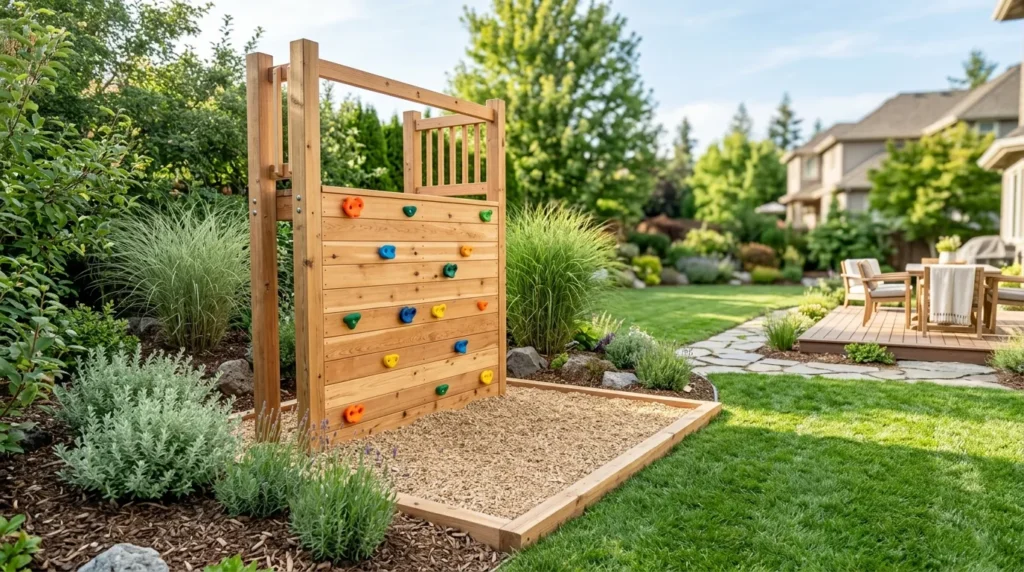
3. Backyard Climbing Wall
A small climbing wall adds active play and can turn an unused section of the yard into a fun feature.
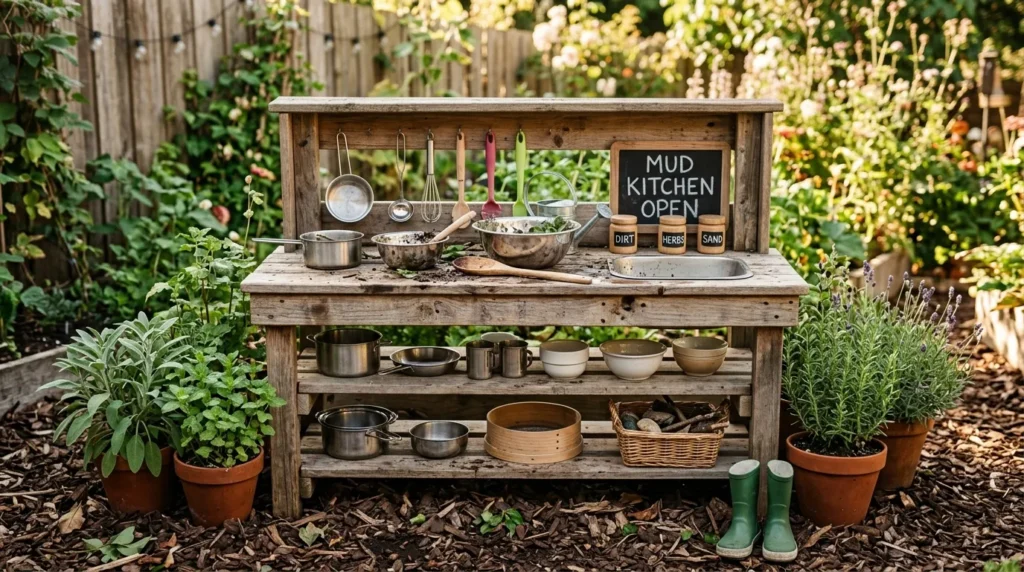
4. Creative Mud Kitchen
A mud kitchen provides an imaginative space where kids can cook, mix, pour, and experiment outdoors.
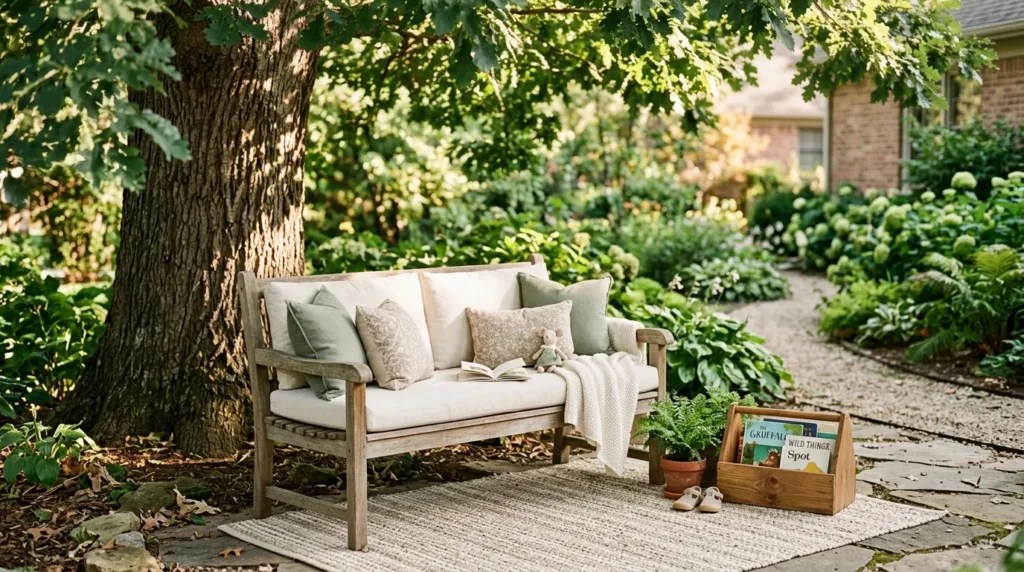
5. Outdoor Reading Nook
A comfortable reading corner creates a quiet retreat for children who need a break from active play.
6. Mini Sports Court
A compact sports area gives energetic kids room to practice favorite games without taking over the entire lawn.
7. Imaginative Playhouse
A playhouse creates a dedicated world for pretend play, storytelling, and creative adventures.
8. Water Play Station
A simple water area can provide refreshing summer entertainment without requiring a full swimming pool.
9. Outdoor Art Wall
An outdoor art station gives children permission to make a mess while developing creativity and fine-motor skills.
10. Flexible Play Lawn
An open lawn creates a versatile foundation for games, running, picnics, and changing activities as children grow.
1. Natural Adventure Zone
Quick Benefits
- Encourages imaginative outdoor play
- Uses natural landscaping
- Works in large or small yards
- Can grow with children
- Creates a visually beautiful backyard
Why It Works
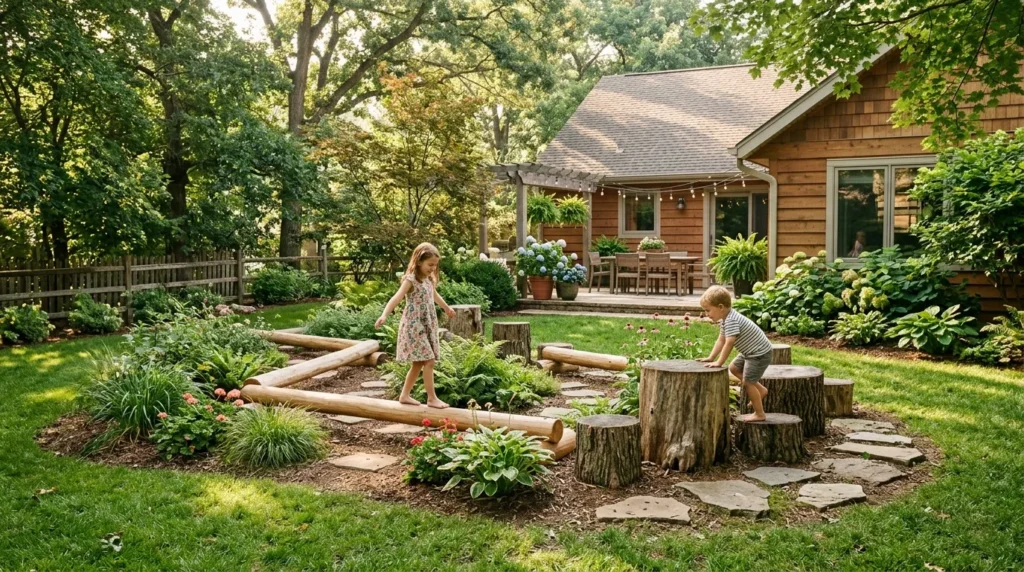
Children don’t always need elaborate equipment to have an exciting outdoor adventure. A natural play zone gives them materials and spaces they can interpret in different ways. Logs can become balance beams, large stones can become stepping points, and a small garden path can turn into an imaginary trail.
This approach is especially appealing to homeowners who don’t want the backyard to look like a traditional playground. Instead of installing brightly colored plastic equipment across the lawn, you can incorporate play features into the existing landscape.
I’ve noticed that natural elements often encourage longer periods of imaginative play because they don’t dictate exactly how they should be used. One afternoon a wooden log might become a bridge, while the next day it becomes part of an imaginary campsite.
How To Style It
Start by identifying a small section of the yard where children can explore safely. Add smooth logs, large flat stepping stones, tree stumps, or a low wooden balance beam. Keep the materials sturdy, free from sharp edges, and appropriate for the children’s ages.
Surround the area with hardy grasses, shrubs, or kid-friendly plants rather than delicate landscaping that needs constant protection. A simple gravel or mulch path can connect the adventure area to the rest of the backyard.
For a polished look, keep the color palette natural with warm wood, stone, greenery, and neutral outdoor textiles. You can also add a small bench nearby so adults can supervise comfortably without interrupting play.
2. Cozy Sandbox Corner
Quick Benefits
- Excellent for imaginative play
- Works in compact backyards
- Relatively inexpensive to create
- Encourages independent activities
- Easy to combine with seating
Why It Works
A sandbox is one of those classic backyard features that continues to work because it gives children an open-ended activity. Instead of providing a toy with one specific purpose, sand allows kids to dig, build roads, create castles, bury objects, and invent their own games.
A dedicated sandbox corner also helps contain messy play. Rather than having sand spread across the entire backyard, you can establish a clear zone where digging and building are encouraged.
For smaller yards, this idea is particularly useful because the sandbox doesn’t need to be enormous. A compact wooden box can provide plenty of room for younger children while taking up very little lawn space. The addition of a cover also makes maintenance much easier.
How To Style It
Choose a sturdy wooden sandbox with rounded or softened edges and position it somewhere that receives a comfortable balance of sun and shade. If the yard is sunny, consider placing it near a mature tree or adding a simple shade sail overhead.
Create a finished look with a small outdoor bench or two low stools beside the sandbox. Keep buckets, shovels, molds, and other accessories in a weather-resistant storage bin nearby.
For a more sophisticated backyard, use natural wood rather than brightly colored plastic. A surrounding border of mulch, pea gravel, or stepping stones can visually separate the sandbox from the lawn.
Remember that the sandbox should be covered when not being used, and choose play sand specifically intended for children’s play areas.
3. Backyard Climbing Wall
Quick Benefits
- Adds active physical play
- Uses vertical space
- Great for small yards
- Creates a strong visual feature
- Can be customized to different ages
Why It Works
When outdoor space is limited, going vertical can be a smart design solution. A small climbing wall can turn an otherwise unused fence or exterior wall into an active play feature without consuming a large portion of the lawn.
Climbing also gives children a physical challenge that is different from running or swinging. It encourages them to think about balance, movement, coordination, and how to reach the next point.
The important consideration is that climbing structures need to be designed specifically with safety in mind. A decorative DIY wall should never be treated as a playground structure unless it has been properly constructed and installed for that purpose.
How To Style It
For a backyard-friendly appearance, consider a compact wood climbing structure in a natural finish. Keep the design visually simple so it complements the home rather than dominating the landscape.
Place appropriate impact-absorbing surfacing beneath and around the climbing area, and follow the manufacturer’s installation and age recommendations for any climbing equipment.
If you’re working with a fence, don’t automatically assume the fence is strong enough to support climbing equipment. A properly constructed freestanding frame may be a better option.
You can soften the surrounding area with ornamental grasses, shrubs, or low-maintenance planting while leaving enough open space around the play feature. A nearby storage box can hold outdoor toys and keep the area tidy when playtime is over.
4. Creative Mud Kitchen
Quick Benefits
- Encourages imaginative play
- Makes outdoor mess easier to manage
- Inexpensive DIY project
- Uses simple materials
- Great for sensory exploration
Why It Works
A mud kitchen transforms ordinary outdoor materials into a pretend cooking environment. Children can mix water and soil, collect leaves, arrange stones, stir imaginary soups, and create elaborate recipes using whatever they find in the yard.
The beauty of a mud kitchen is that it doesn’t need to look perfect. In fact, the slightly rustic appearance is part of its charm. An old wooden table, salvaged shelves, metal bowls, wooden spoons, and a few containers can create a surprisingly engaging play station.
It also gives children a designated place for messy sensory play. Instead of worrying every time they pick up dirt or water a little too enthusiastically, you can establish a space where experimentation is expected.
How To Style It
Use a weather-resistant outdoor table or sturdy reclaimed wood structure as the foundation. Add shelves underneath for pots, pans, bowls, and utensils.
Look for inexpensive accessories at thrift stores or choose durable outdoor-safe pieces specifically intended for children’s play. Avoid anything with sharp edges, fragile glass, or materials that could splinter or break easily.
Position the kitchen near a water source if practical, but you can also provide a small container of water manually.
A surrounding mulch or gravel area works better than placing the kitchen directly on delicate grass. Add a few potted herbs or child-safe plants nearby so children can incorporate leaves and natural ingredients into their pretend recipes.
5. Outdoor Reading Nook
Quick Benefits
- Provides a calm retreat
- Encourages reading outdoors
- Balances active play
- Works in small spaces
- Adds charm to the backyard
Why It Works
Not every child wants to spend every minute climbing, running, or splashing. An outdoor reading nook provides a quieter alternative where kids can look through books, draw, relax, or simply enjoy being outside.
This is particularly helpful in a backyard designed for multiple ages. Younger children can have active play zones while older children have a comfortable place to retreat with a book or activity.
A reading nook can also make the backyard feel more like an extension of the home. Instead of treating the outdoor space purely as a playground, you’re creating different zones for different types of activities.
One simple trick I always suggest is to place the quiet area slightly away from the main active zone. Even a few feet of separation can make the nook feel more peaceful.
How To Style It
Choose a shaded location beneath a tree, beside a covered patio, or underneath a weather-resistant canopy. Add a low outdoor chair, floor cushions designed for outdoor use, or a small bench with washable cushions.
Use a compact weather-resistant storage cabinet or basket for books. Keep books protected from moisture and bring them indoors when they’re not being used.
For a cozy appearance, layer neutral outdoor cushions with a soft throw that can easily be washed. A small outdoor rug can visually define the area, while potted plants create a sense of enclosure.
Keep the styling simple. The goal is to create a comfortable retreat rather than another heavily decorated zone.
6. Mini Sports Court
Quick Benefits
- Encourages active movement
- Works for several sports
- Supports family play
- Uses open backyard space efficiently
- Can adapt as children grow
Why It Works
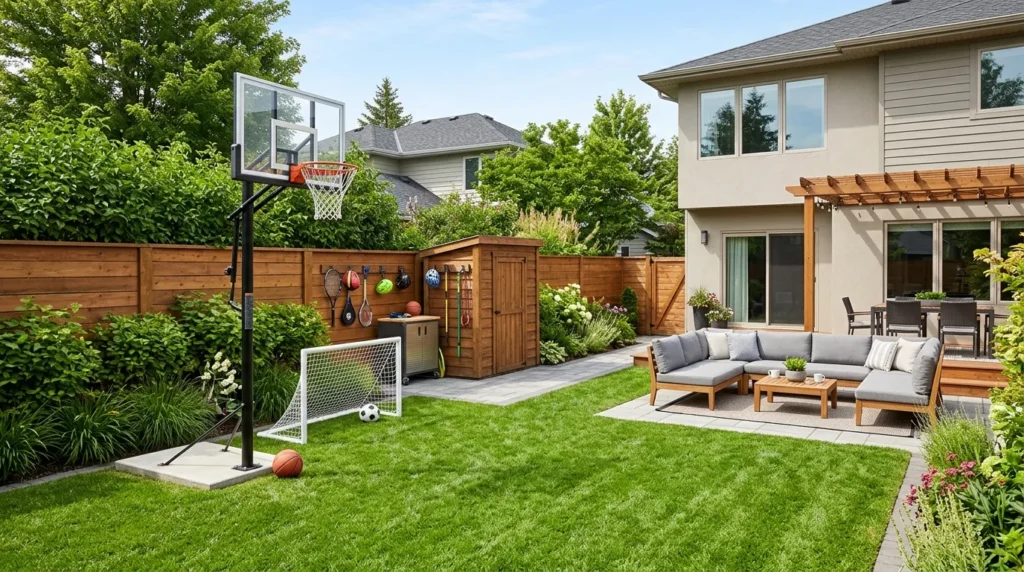
An open sports area can be one of the most useful additions to a family backyard because it isn’t limited to one activity. A basketball hoop might become the focus one day, while another afternoon the same area can be used for soccer, badminton, catch, or obstacle games.
You don’t necessarily need a professionally installed court. For many families, a level section of lawn or a small hardscape area is enough to create a flexible sports zone.
This type of play space also has longevity. While some children’s toys are quickly outgrown, an open activity area can evolve as kids become older and develop new interests.
How To Style It
Start with the largest flat area available. If you’re using lawn, keep it well maintained and remove obstacles such as exposed roots or uneven stones.
For a more permanent setup, consider a small paved or sport-surfaced area. Keep the surrounding landscaping simple so there is plenty of room for movement.
A portable basketball hoop, soccer goal, badminton net, or outdoor target can be added according to your family’s interests. There’s no need to install everything at once.
Keep sports equipment organized in a large outdoor storage cabinet or weather-resistant deck box. This makes it much easier to reclaim the backyard for family gatherings when playtime is finished.
7. Imaginative Playhouse
Quick Benefits
- Encourages pretend play
- Creates a dedicated kid zone
- Adds personality to the yard
- Can be customized
- Works for different play themes
Why It Works
A playhouse gives children something adults can’t easily create for them: a space that feels completely theirs. It can become a house, restaurant, store, school, clubhouse, campsite, or secret hideaway depending on the game of the day.
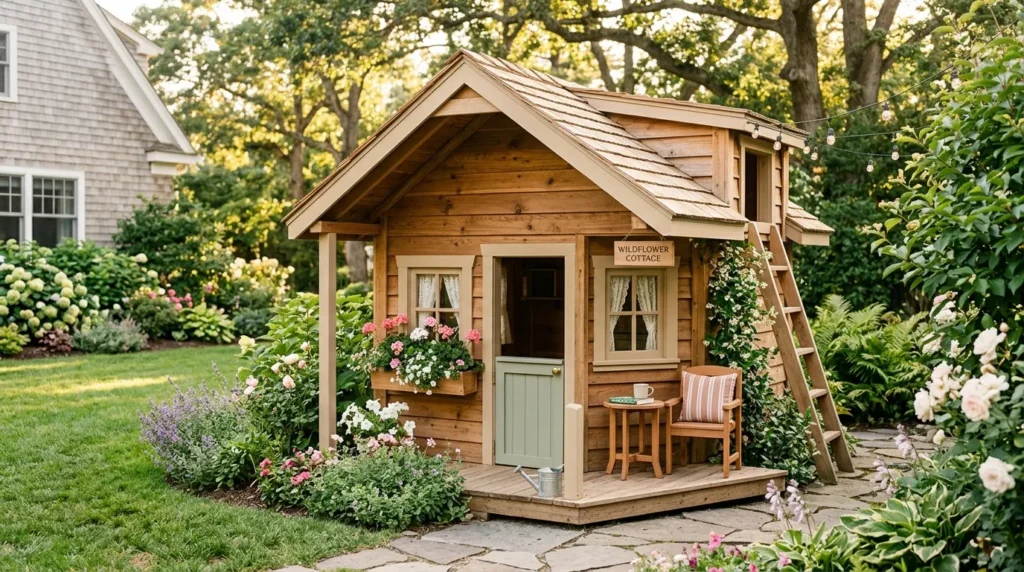
The best playhouses don’t necessarily need to be elaborate. A simple wooden structure with windows, a door, and a small covered porch can provide years of imaginative possibilities.
For parents, the playhouse can also become a charming landscape feature when its materials and colors complement the house. Instead of looking like an afterthought, it becomes part of the overall backyard design.
How To Style It
Choose a playhouse size appropriate for the children’s ages and available yard space. Natural wood is an easy choice for a home with a traditional, farmhouse, cottage, or modern organic exterior.
Paint the trim in a color that coordinates with the house rather than choosing a completely unrelated shade. Soft white, muted green, warm beige, or natural wood can all create a sophisticated appearance.
Inside, keep the furniture simple. A small table, stools, pretend kitchen, chalkboard, or book basket may be enough.
Add a tiny outdoor planter box or a few surrounding flowers for extra charm. Make sure the structure is installed on a stable surface and that doors, windows, hardware, and surrounding areas are appropriate for children.
8. Water Play Station
Quick Benefits
- Perfect for warm weather
- Provides sensory play
- Doesn’t require a swimming pool
- Easy to customize
- Great for younger children
Why It Works
Water play can turn an ordinary summer afternoon into an exciting outdoor adventure. The best part is that you don’t need a swimming pool to create the experience.
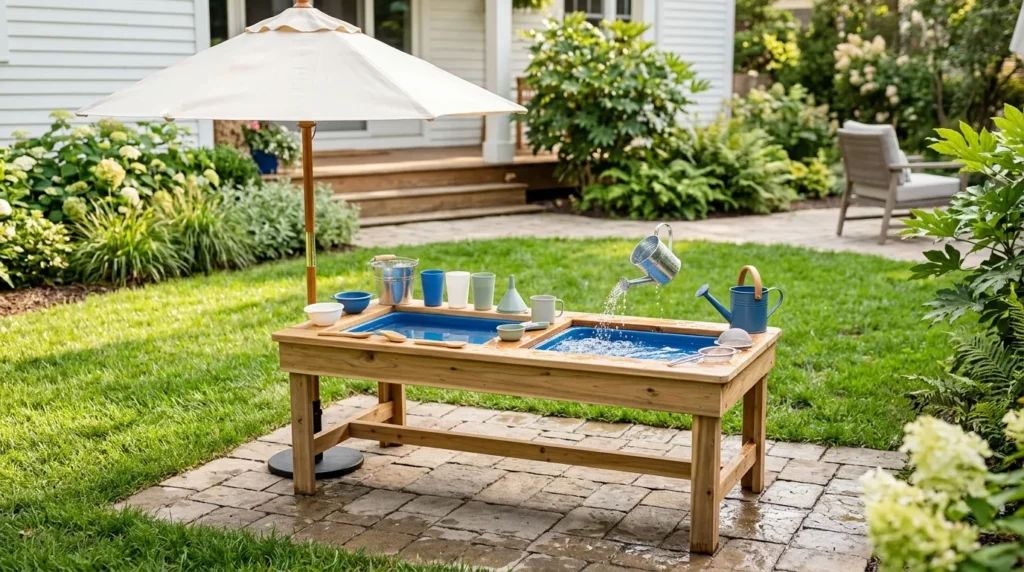
A simple water table, outdoor basin, splash pad, or designated pouring station can provide plenty of entertainment. Children can experiment with floating objects, pouring containers, moving water between cups, and creating their own games.
This is particularly valuable in warmer climates where outdoor activities can become uncomfortable during the hottest part of the day. A shaded water station provides an activity that feels refreshing without requiring a major backyard renovation.
How To Style It
Place the water station on a surface that can handle splashes. Pavers, concrete, gravel, or a designated outdoor play mat can work better than delicate grass.
A small wooden water table can blend beautifully with natural backyard landscaping. Keep cups, funnels, small watering cans, and similar accessories in a nearby storage container.
Add shade using an umbrella, canopy, pergola, or shade sail where appropriate. Avoid placing the station in an area where standing water could create a slipping hazard.
Water play requires active supervision, particularly for younger children. Keep the setup simple enough that it can be drained, cleaned, and stored easily after use.
9. Outdoor Art Wall
Quick Benefits
- Encourages creativity
- Uses vertical space
- Keeps messy projects outdoors
- Works in compact yards
- Easy to customize
Why It Works
An outdoor art wall gives children permission to create without worrying about dirtying the dining table or covering the kitchen floor with supplies. It also makes use of vertical space that might otherwise be ignored.
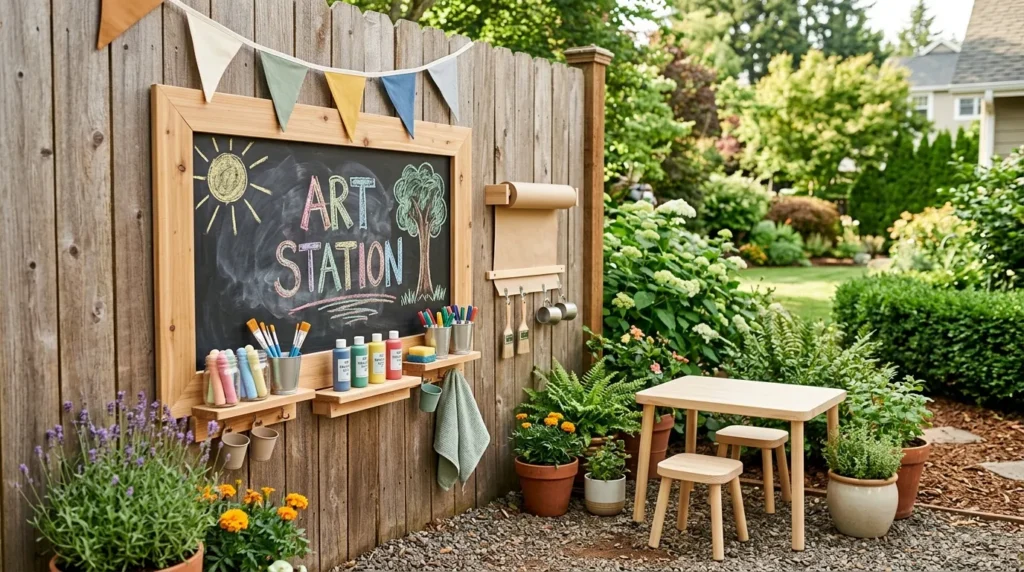
A chalkboard, washable outdoor drawing surface, easel, or combination art station can provide hours of creative activity. Children can draw pictures, practice letters, create signs for their playhouse, or work on seasonal artwork.
This idea works especially well for families who enjoy DIY projects because the basic structure can be customized to fit almost any backyard.
How To Style It
Choose a sturdy exterior wall, fence section, or freestanding wooden panel. Use materials specifically designed for outdoor exposure, especially if the art wall will remain outside year-round.
A large chalkboard surface can become the main feature. Add hooks underneath for washable chalk, paintbrushes, buckets, and other supplies.
For messy painting, include a small outdoor work table and use washable materials appropriate for the surface. Position the station near a hose if convenient, but don’t allow runoff to damage nearby landscaping.
A natural wood frame can give the entire setup a polished appearance. Add a few potted plants or a small shelf for supplies to make the area feel intentional rather than cluttered.
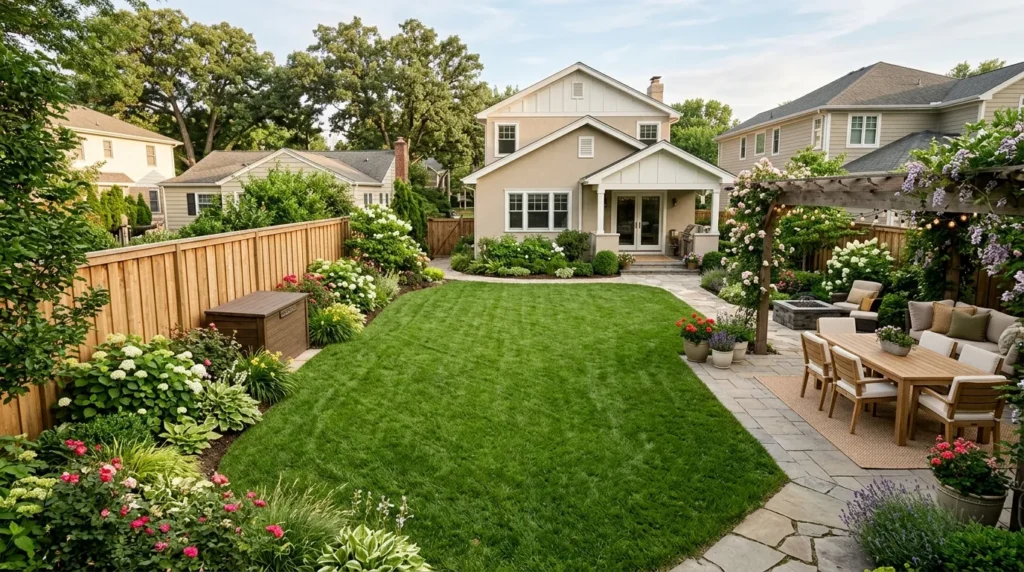
10. Flexible Play Lawn
Quick Benefits
- Works for many activities
- Easy to change over time
- Ideal for family gatherings
- Doesn’t require expensive equipment
- Makes the backyard feel spacious
Why It Works
Sometimes the most useful play area is simply an open piece of lawn. Children need room to run, invent games, chase bubbles, play tag, practice sports, build blanket forts, and enjoy activities that aren’t planned in advance.
A flexible lawn is especially valuable when children are at different ages. Instead of designing the entire backyard around one specific piece of playground equipment, you create an adaptable foundation that can change with your family.
I’ve noticed that open space is often underestimated when planning a family backyard. Parents may be tempted to fill every corner with equipment, but leaving some breathing room can actually make the space feel more useful.
How To Style It
Keep the central lawn relatively open and place permanent features around the edges. This creates a natural play zone while maintaining a clean visual connection between the backyard and the house.
Use durable grass or another suitable ground covering that can tolerate regular activity. Keep garden beds, decorative containers, and fragile landscaping away from the busiest areas.
Add a small outdoor storage shed or deck box along one edge for balls, scooters, lawn games, and seasonal toys. When the toys are put away, the lawn can immediately become a space for outdoor dining, entertaining, or relaxing.
For a Pinterest-worthy backyard, frame the lawn with layered greenery, simple pathways, and comfortable seating. The result feels attractive to adults while remaining wonderfully open-ended for kids.
FAQ
What is the best surface for a backyard play area?
The best surface depends on the type of play area and the equipment being used. Grass works well for open-ended games, while mulch, engineered wood fiber, rubber surfacing, or other appropriate impact-absorbing materials may be better around elevated play equipment. Always follow the manufacturer’s installation and surfacing recommendations for playground structures.
How can I create a play area in a small backyard?
Small backyards benefit from multifunctional and vertical designs. Consider a compact sandbox, wall-mounted art station, small playhouse, water table, or open lawn area that can serve several purposes. Using the edges of the yard for permanent features leaves the center open and makes the entire backyard feel more spacious.
How do I make a backyard play area look attractive?
Choose materials and colors that complement your home’s exterior. Natural wood, neutral fabrics, greenery, stone, and simple outdoor storage tend to blend easily with most landscaping styles. Rather than filling the space with toys, create designated zones and provide attractive storage so everything can be put away when playtime ends.
What should I include in a backyard play area?
Start with activities your children actually enjoy. Depending on their ages and interests, useful additions might include a sandbox, playhouse, climbing feature, sports area, water station, art wall, or open lawn. Shade and convenient storage are also important because they make the space easier for the entire family to use.
How can I make an outdoor play space useful year-round?
Choose flexible features that can adapt to changing seasons. An open lawn can support different activities throughout the year, while a covered reading nook can provide shelter during cooler weather. Store seasonal toys in a weather-resistant container and use removable cushions and accessories so the space can be adjusted as temperatures change.
How do I keep backyard play areas organized?
Create designated storage for each category of outdoor toy. Large deck boxes work well for balls and bulky equipment, while baskets or small bins can hold art supplies and sandbox accessories. Teaching children to return items to their storage area after playing keeps the backyard more manageable and makes the space ready for the next activity.
Conclusion
Creating a fun backyard for children doesn’t mean sacrificing the style or comfort of your outdoor space. The most successful designs usually find a balance between active play, imaginative activities, quiet moments, and open space.
A natural adventure zone can turn landscaping into an invitation to explore. A sandbox or mud kitchen gives younger children a place to create. Older kids may appreciate a sports area, climbing feature, or flexible lawn where they can burn off energy. Meanwhile, a reading nook or outdoor art wall adds quieter activities that make the backyard useful throughout the day.
You also don’t have to complete everything at once. Start by watching how your children naturally use the yard. If they constantly collect sticks and stones, a nature-inspired adventure area may be a great fit. If they love drawing, prioritize an outdoor art station. If they never stop kicking a ball around, leave more open lawn space.
In my experience, the best family backyards aren’t necessarily the most expensive ones. They’re the spaces that thoughtfully reflect how the people living in the home actually spend time outdoors.
Choose one or two ideas that fit your yard, budget, and children’s interests, then build from there. With a little creativity, even an ordinary backyard can become one of the most memorable parts of home.