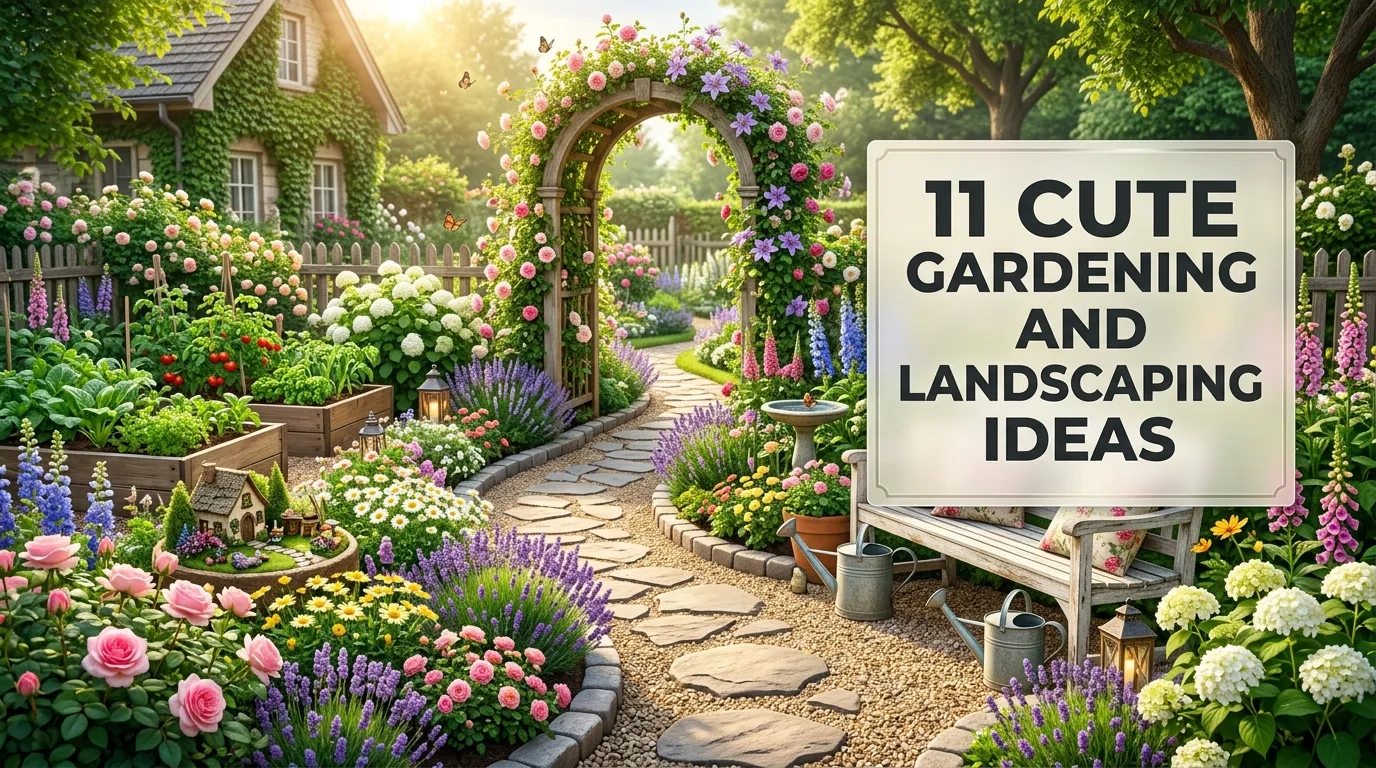
11 Cute Gardening And Landscaping Ideas
A beautiful garden doesn’t have to be large, expensive, or professionally designed to make a lasting impression. Some of the most charming outdoor spaces are created with thoughtful details, colorful plant combinations, and creative landscaping ideas that add personality to a yard. Whether you have a spacious backyard, a compact side garden, or a small front lawn, the right design choices can transform ordinary outdoor areas into inviting spaces that feel both beautiful and functional.
One thing I’ve noticed is that many homeowners focus only on plants when planning a garden. While flowers and greenery are certainly important, the most memorable gardens combine landscaping elements such as pathways, decorative borders, seating areas, lighting, and focal points. These features help create structure while making the garden feel intentional and welcoming.
Cute gardening and landscaping ideas are especially popular because they blend practicality with visual charm. They make outdoor spaces more enjoyable while increasing curb appeal and creating opportunities to relax, entertain, or simply appreciate nature. The best part is that many of these ideas can be adapted to different budgets, property sizes, and design styles.
Whether you’re refreshing an existing landscape or starting from scratch, these gardening and landscaping ideas can help you create an outdoor space that feels cheerful, inviting, and Pinterest-worthy throughout the seasons.
Table of Contents
- Curved Flower Borders
Add softness and movement to garden spaces. - Cottage Garden Layers
Create a lush and charming outdoor retreat. - Stone Pathway Charm
Guide visitors through the landscape beautifully. - Raised Garden Beds
Combine organization with visual appeal. - Decorative Garden Arches
Create elegant focal points and structure. - Cozy Seating Corners
Design inviting outdoor relaxation spots. - Colorful Container Gardens
Add flexibility and seasonal beauty. - Fairy Garden Features
Introduce whimsical details throughout the landscape. - Layered Landscape Lighting
Enhance beauty after sunset. - Pollinator Friendly Plantings
Support wildlife while adding color. - Rustic Garden Accents
Bring warmth and character to outdoor spaces.
1. Curved Flower Borders
Quick Benefits
- Softens landscape design
- Creates visual movement
- Enhances curb appeal
- Supports colorful plant displays
- Works in small and large yards
Why It Works
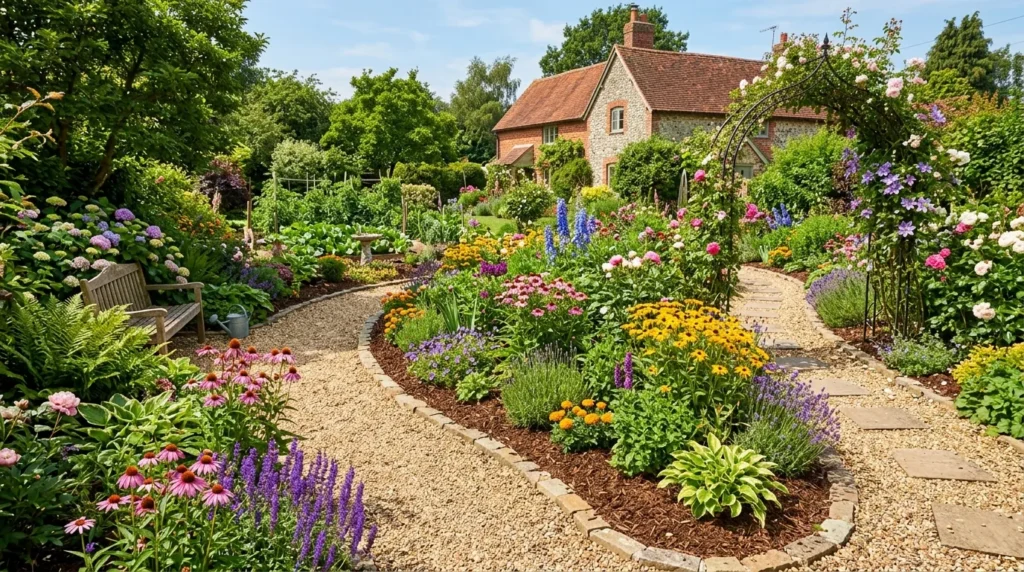
Curved planting beds create a more natural and inviting appearance than rigid straight lines. The gentle flow guides the eye through the landscape while making outdoor spaces feel larger and more dynamic. Curves also allow gardeners to create layered planting arrangements that showcase flowers, shrubs, and ornamental grasses more effectively.
I’ve seen even simple yards become significantly more attractive after replacing straight borders with gentle curves. The change often makes the entire landscape feel more professionally designed.
How To Style It
Outline garden beds with flexible edging and plant taller varieties toward the back while placing shorter flowers near the front. Use repeating plant combinations to create consistency throughout the landscape.
Add mulch to define the curves and keep the beds looking polished.
2. Cottage Garden Layers
Quick Benefits
- Creates abundant beauty
- Adds color and texture
- Supports pollinators
- Feels welcoming and romantic
- Maximizes planting space
Why It Works
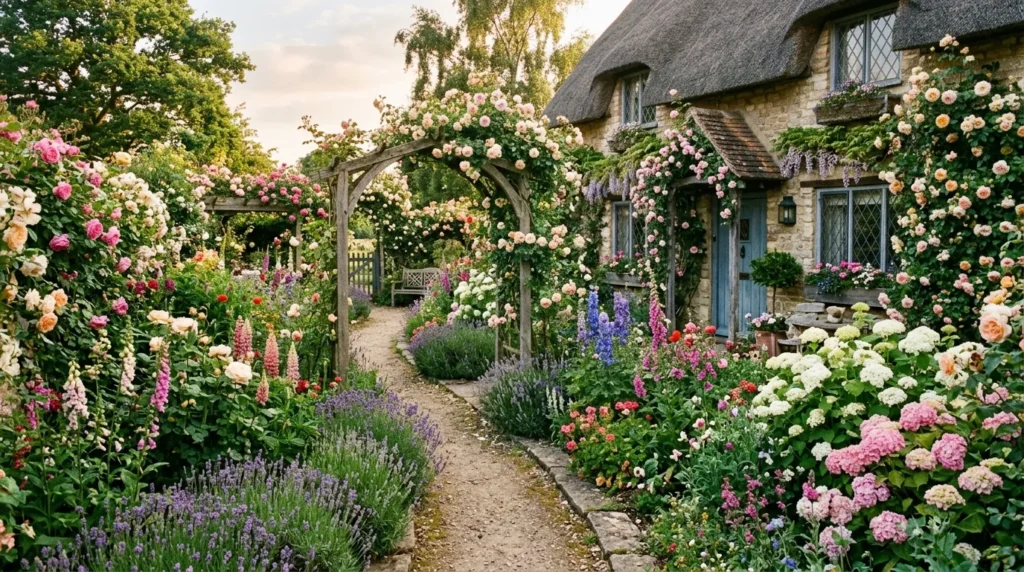
Cottage gardens are known for their lush, overflowing appearance. By layering flowers, shrubs, herbs, and climbing plants together, homeowners create landscapes that feel vibrant and full of life. The informal style also encourages biodiversity and seasonal interest.
Many gardeners love cottage-style planting because it allows creativity while maintaining a naturally charming appearance.
How To Style It
Mix perennials, annuals, and flowering shrubs throughout the garden. Incorporate roses, lavender, daisies, hydrangeas, and climbing vines for a classic cottage look.
Focus on creating variety while maintaining a harmonious color palette.
3. Stone Pathway Charm
Quick Benefits
- Improves accessibility
- Adds visual interest
- Creates structure
- Enhances curb appeal
- Supports garden flow
Why It Works
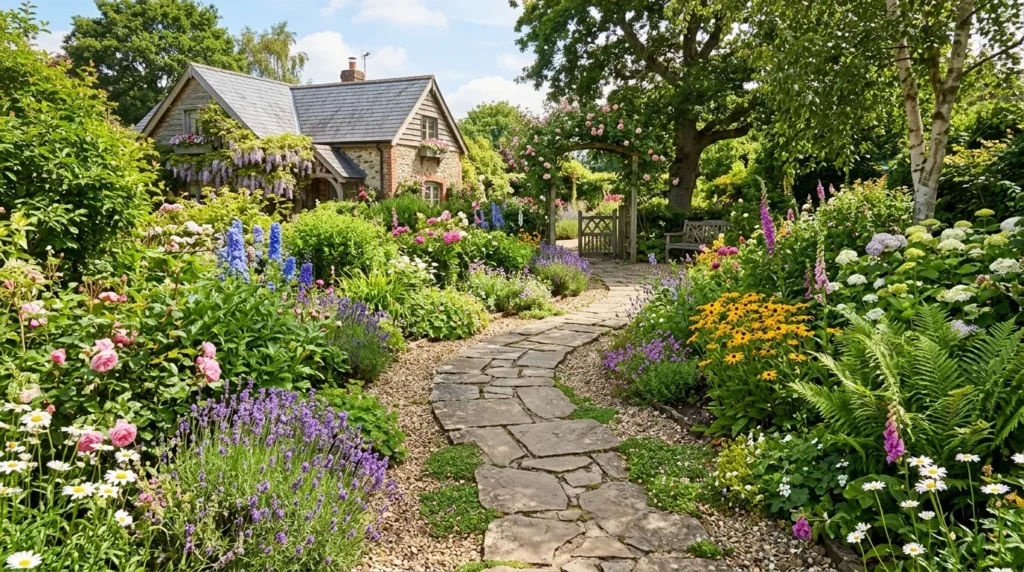
A pathway helps organize the landscape while encouraging exploration. Natural stone pathways blend beautifully with gardens and provide a timeless appearance that works in nearly every landscape style.
One thing that works especially well is allowing pathways to gently curve through planting areas rather than following rigid straight lines.
How To Style It
Use natural stone, stepping stones, or pavers surrounded by greenery and flowers. Add low-growing ground covers along the edges for a softer appearance.
Keep pathways wide enough for comfortable movement.
4. Raised Garden Beds
Quick Benefits
- Improves organization
- Enhances drainage
- Simplifies maintenance
- Creates visual structure
- Supports vegetable gardening
Why It Works
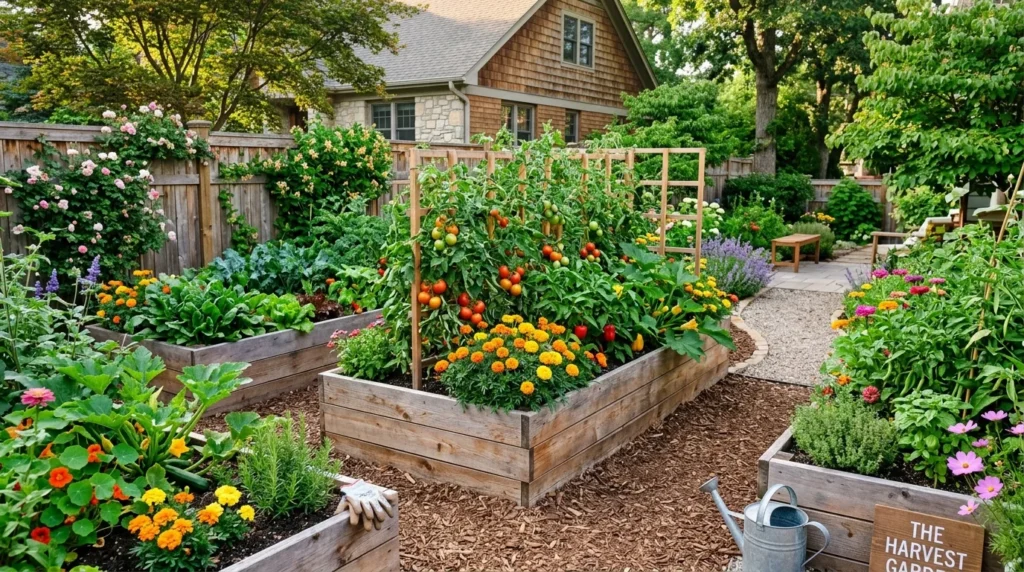
Raised beds make gardening easier while contributing to the overall design of the landscape. They provide defined planting areas and create opportunities for decorative materials such as wood, stone, or metal edging.
I’ve noticed that raised beds often make gardens appear more intentional and organized, even when filled with informal plantings.
How To Style It
Construct beds from cedar, stone, or decorative metal. Plant a mix of vegetables, herbs, flowers, or ornamental plants depending on your goals.
Arrange multiple beds symmetrically for a clean and attractive layout.
5. Decorative Garden Arches
Quick Benefits
- Creates focal points
- Adds vertical interest
- Supports climbing plants
- Enhances charm
- Defines garden spaces
Why It Works
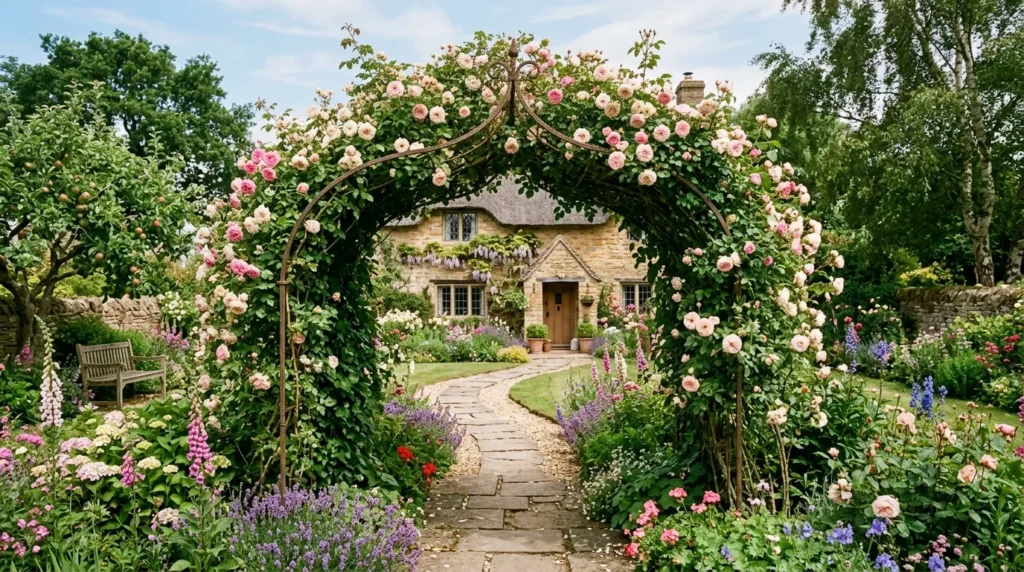
Garden arches instantly add character and structure to outdoor spaces. Whether covered in roses, jasmine, clematis, or ivy, they create beautiful transitions between different areas of the landscape.
A mistake many homeowners make is overlooking vertical elements. Arches add height and visual drama without taking up significant ground space.
How To Style It
Position arches at entrances, along pathways, or between garden zones. Encourage climbing plants to grow naturally over the structure.
Choose materials that complement your home’s architecture.
6. Cozy Seating Corners
Quick Benefits
- Encourages outdoor relaxation
- Adds functionality
- Creates destination spaces
- Enhances enjoyment
- Supports entertaining
Why It Works
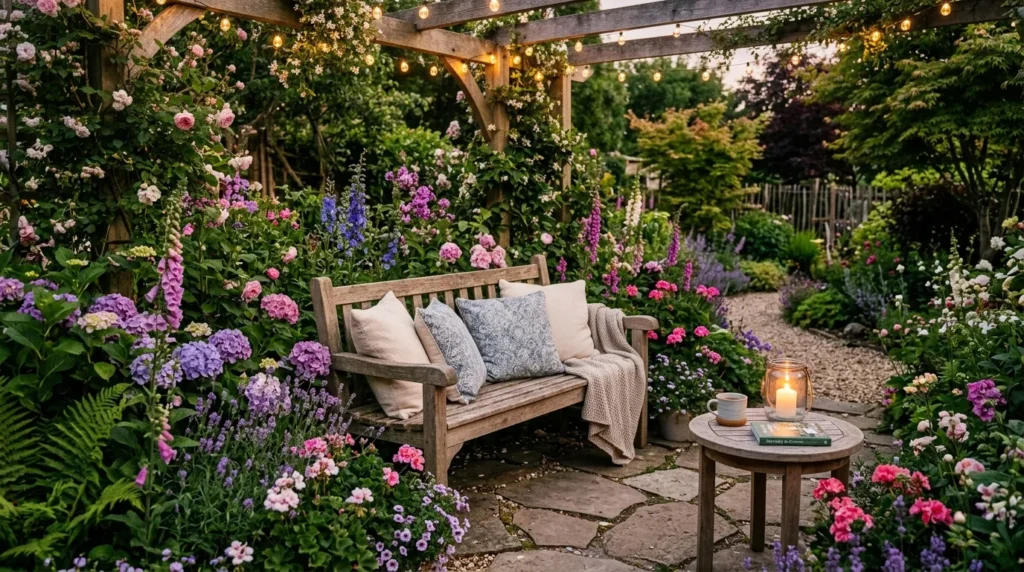
A garden becomes more valuable when it’s designed for use rather than just observation. Comfortable seating areas encourage homeowners to spend more time outdoors and enjoy the beauty they’ve created.
If you’re anything like me, a peaceful seating corner quickly becomes one of the most-used parts of the garden.
How To Style It
Use benches, Adirondack chairs, bistro sets, or outdoor lounges. Surround seating with flowers, shrubs, and decorative planters.
Add lighting and cushions to enhance comfort.
7. Colorful Container Gardens
Quick Benefits
- Flexible design option
- Easy seasonal updates
- Works in small spaces
- Adds instant color
- Supports creative displays
Why It Works
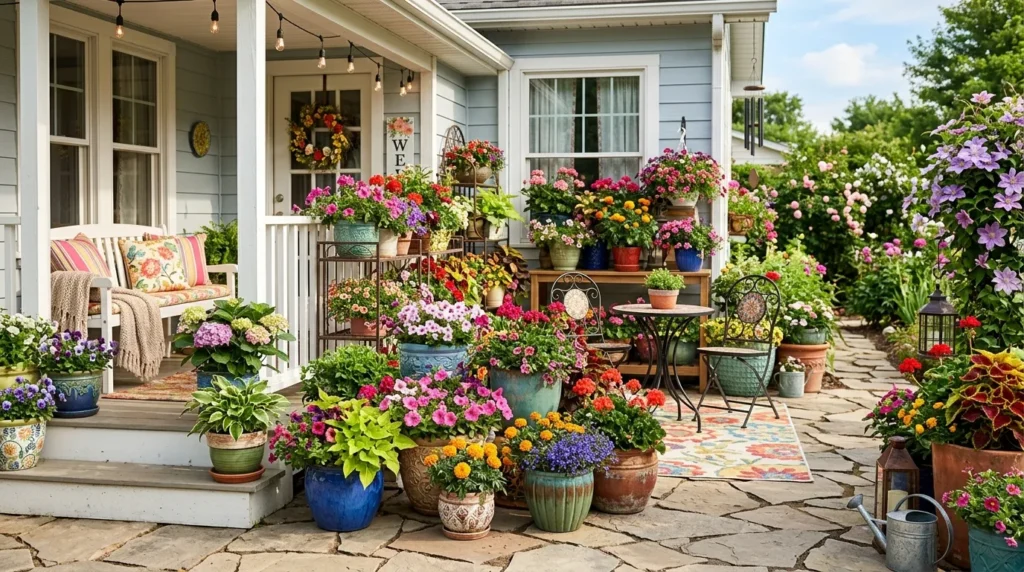
Container gardens provide opportunities to experiment with color and plant combinations without committing to permanent planting beds. They are ideal for patios, porches, entryways, and balconies.
Many designers recommend containers because they can be rearranged easily to refresh the landscape throughout the year.
How To Style It
Mix trailing plants, upright flowers, and filler greenery for balanced arrangements. Use decorative pots in coordinating colors and materials.
Group containers in varying heights for visual interest.
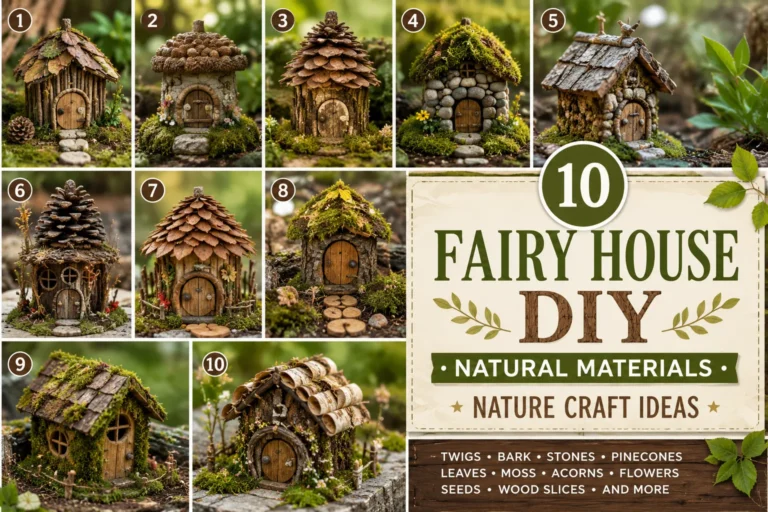
8. Fairy Garden Features
Quick Benefits
- Adds whimsical charm
- Appeals to all ages
- Encourages creativity
- Creates focal points
- Enhances garden personality
Why It Works
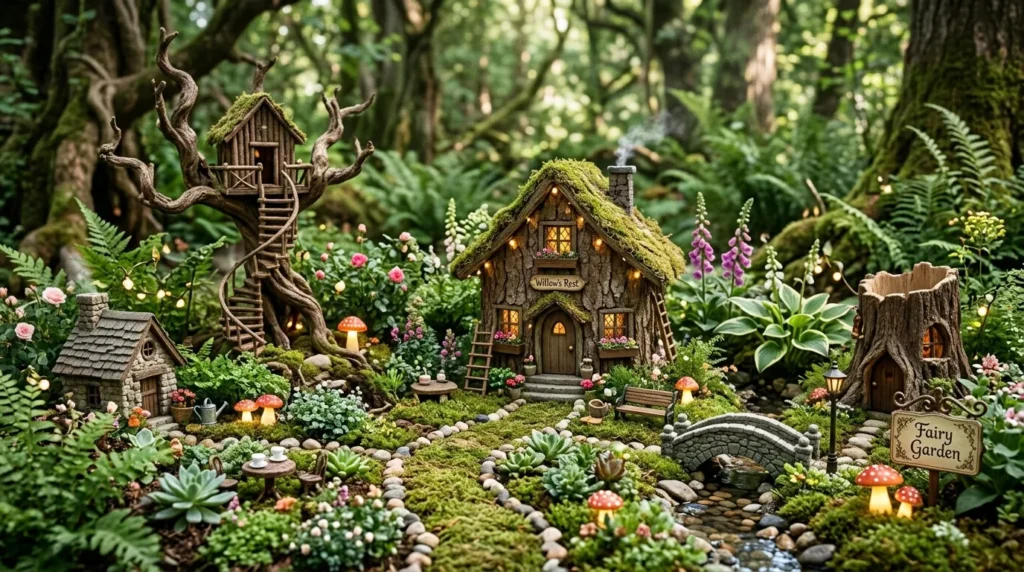
Miniature fairy gardens introduce imagination and playfulness into outdoor spaces. Tiny houses, pathways, furniture, and decorative details create magical scenes that attract attention and spark curiosity.
I’ve seen these small features become favorite areas within larger gardens because they feel unique and personal.
How To Style It
Use natural materials such as moss, stones, bark, and miniature plants. Position fairy gardens beneath shrubs or near flower beds.
Keep the design cohesive with the surrounding landscape.
9. Layered Landscape Lighting
Quick Benefits
- Improves safety
- Extends garden enjoyment
- Creates ambiance
- Highlights focal points
- Enhances curb appeal
Why It Works
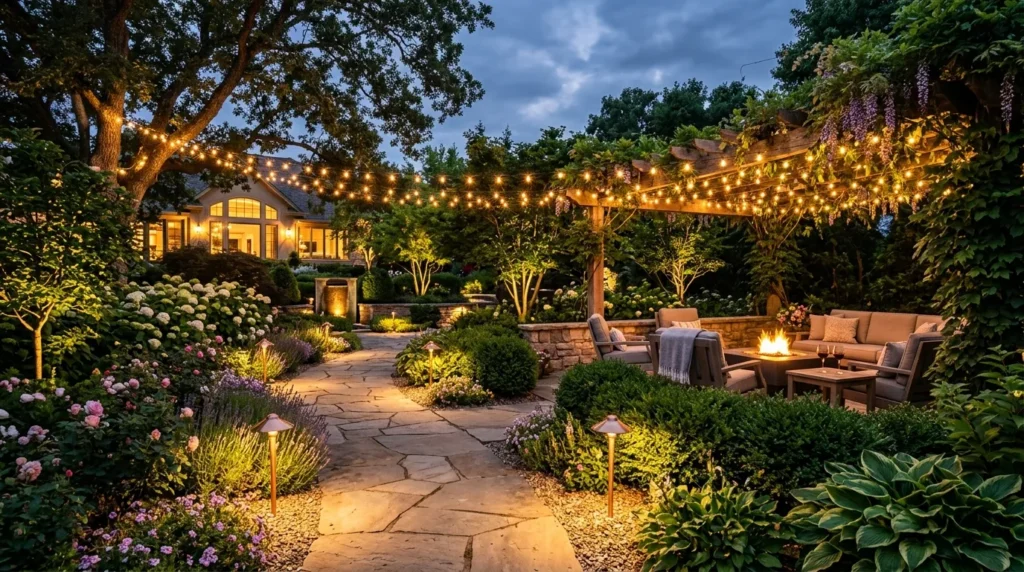
Lighting transforms a garden after dark by emphasizing textures, pathways, and architectural features. Layered lighting creates depth while making outdoor spaces more functional during evening hours.
That’s why many professional landscapes rely heavily on thoughtful lighting design.
How To Style It
Combine pathway lights, uplighting, string lights, and accent lighting. Focus on highlighting key features rather than illuminating every area equally.
Choose warm lighting for a welcoming atmosphere.
10. Pollinator Friendly Plantings
Quick Benefits
- Supports wildlife
- Adds vibrant color
- Improves biodiversity
- Enhances seasonal interest
- Encourages healthy ecosystems
Why It Works
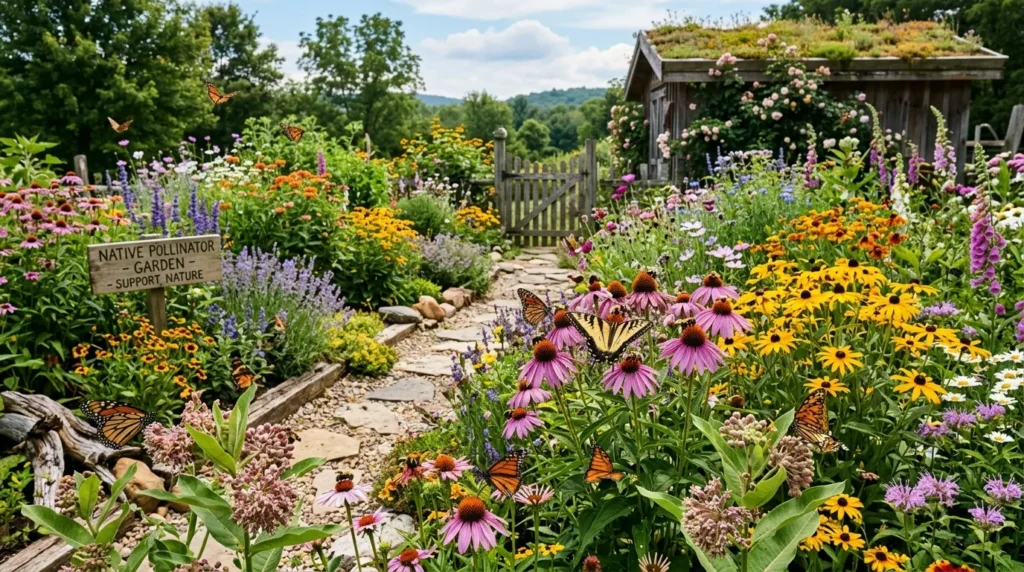
Gardens designed for pollinators attract butterflies, bees, and hummingbirds while contributing to environmental health. These plantings also provide continuous blooms that keep the landscape colorful throughout the growing season.
Many homeowners appreciate the added movement and life that pollinator gardens bring.
How To Style It
Plant native flowers, lavender, coneflowers, salvia, bee balm, and milkweed. Group plants in clusters to create stronger visual impact and improve pollinator access.
Include a variety of bloom times for season-long interest.
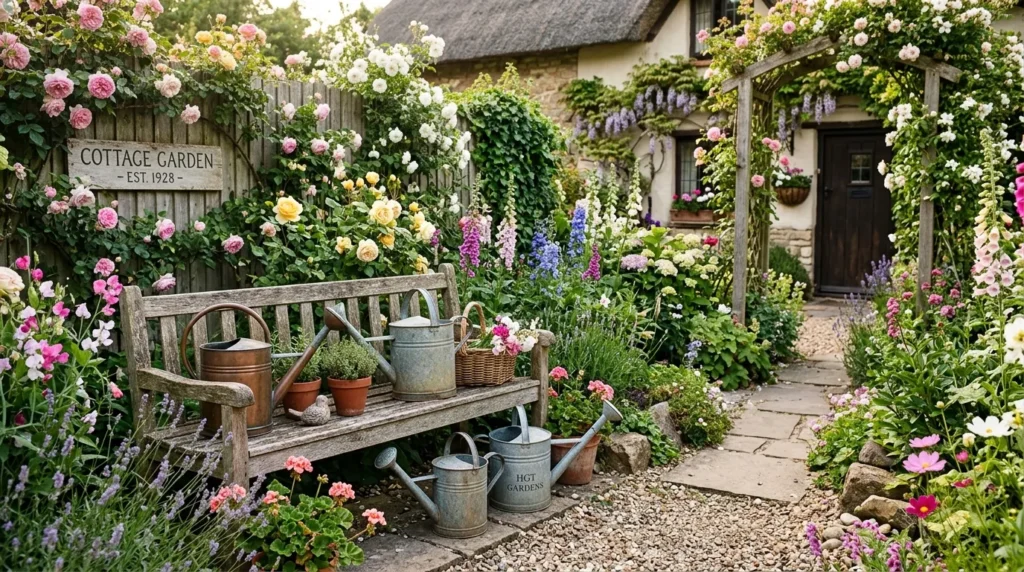
11. Rustic Garden Accents
Quick Benefits
- Adds character
- Enhances charm
- Creates focal points
- Supports cottage aesthetics
- Complements plantings
Why It Works
Rustic accents help personalize a landscape and create a welcoming atmosphere. Vintage watering cans, wooden signs, antique wagons, galvanized containers, and weathered furniture contribute warmth and individuality.
One simple trick I always suggest is choosing a few meaningful decorative pieces rather than filling the garden with excessive ornaments.
How To Style It
Use accents sparingly and position them where they complement surrounding plantings. Mix rustic elements with flowers and greenery to create natural-looking displays.
Allow materials to weather naturally for added authenticity.
Frequently Asked Questions
How can I make my garden look more attractive on a budget?
Focus on simple improvements such as edging, mulch, container gardens, pathways, and strategically placed flowers. Small changes often create significant visual impact.
What plants work best for a cottage garden?
Roses, lavender, daisies, foxgloves, hydrangeas, salvia, and coneflowers are popular choices for creating a lush cottage-style appearance.
Are raised garden beds worth it?
Yes. Raised beds improve drainage, simplify maintenance, and create a more organized garden layout while supporting a wide variety of plants.
How do I add charm to a small garden?
Use vertical elements, colorful containers, pathways, lighting, and decorative accents to maximize visual interest without overcrowding the space.
What type of lighting is best for gardens?
Warm LED pathway lights, string lights, and uplighting are popular because they provide both functionality and ambiance.
How can I attract butterflies and bees?
Plant nectar-rich flowers, choose native species, avoid excessive pesticide use, and provide continuous blooms throughout the growing season.
Conclusion
Cute gardening and landscaping ideas can completely transform outdoor spaces by adding beauty, personality, and functionality. Whether you choose colorful container gardens, charming pathways, cozy seating areas, or pollinator-friendly plantings, thoughtful design decisions help create landscapes that feel welcoming and enjoyable year-round.
The best gardens combine structure with creativity. By layering plants, incorporating decorative elements, and designing spaces that encourage relaxation, homeowners can create outdoor environments that feel both beautiful and practical. Small changes often produce remarkable results when implemented thoughtfully.
Start with one or two ideas that fit your space and budget. Over time, these improvements can help create a garden that reflects your personal style while providing a peaceful retreat just outside your door.
Related Articles
- Cottage Garden Design Ideas
- Small Backyard Landscaping Inspiration
- Flower Bed Border Ideas
- DIY Garden Pathway Designs
- Outdoor Seating Area Ideas