
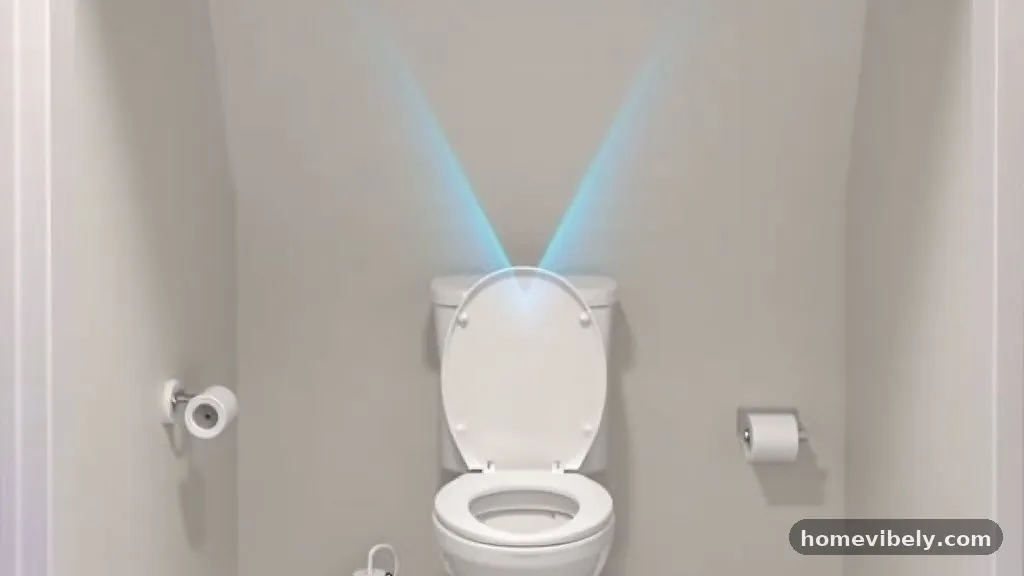
CFM Requirements for an Enclosed Water Closet Toilet Room
Understanding the CFM requirements for an enclosed water closet toilet room is essential for maintaining indoor air quality and preventing moisture buildup. Proper ventilation ensures that odors and humidity are efficiently removed from these smaller, contained areas. By following standard industry guidelines, you can determine exactly how much airflow your space requires for optimal comfort.
Whether you are renovating a home or designing a new bathroom layout, calculating the correct capacity for your exhaust fan is a critical step. This article provides the technical details and practical steps needed to ensure your mechanical ventilation setup meets modern building standards and keeps your bathroom environment fresh and functional.
Determining the appropriate ventilation starts with the industry-standard recommendation of 50 CFM for a small, enclosed water closet. Most building codes and the Home Ventilating Institute (HVI) suggest this minimum capacity to ensure effective air exchange. This figure assumes that the water closet is a separate, enclosed room specifically dedicated to the toilet, which is common in modern master bathroom designs.
Because these spaces are small and prone to high concentrations of odors, they require a dedicated mechanical exhaust source regardless of whether a window is present. Relying on a window for ventilation is rarely sufficient, as it does not guarantee consistent or controlled air removal.
Calculating Airflow Based on Room Size

While 50 CFM is the standard baseline, larger enclosed water closets might require more power. A common rule of thumb is to provide at least 1 CFM per square foot of floor area. For example, a 60-square-foot room would technically require 60 CFM to meet the basic ventilation threshold.
However, since most standard residential exhaust fans start at 50 CFM, this is usually the lowest capacity you will encounter. If your enclosed water closet is exceptionally large or includes additional fixtures, you should scale up the fan capacity to ensure complete air turnover.
Why Mechanical Ventilation Is Necessary
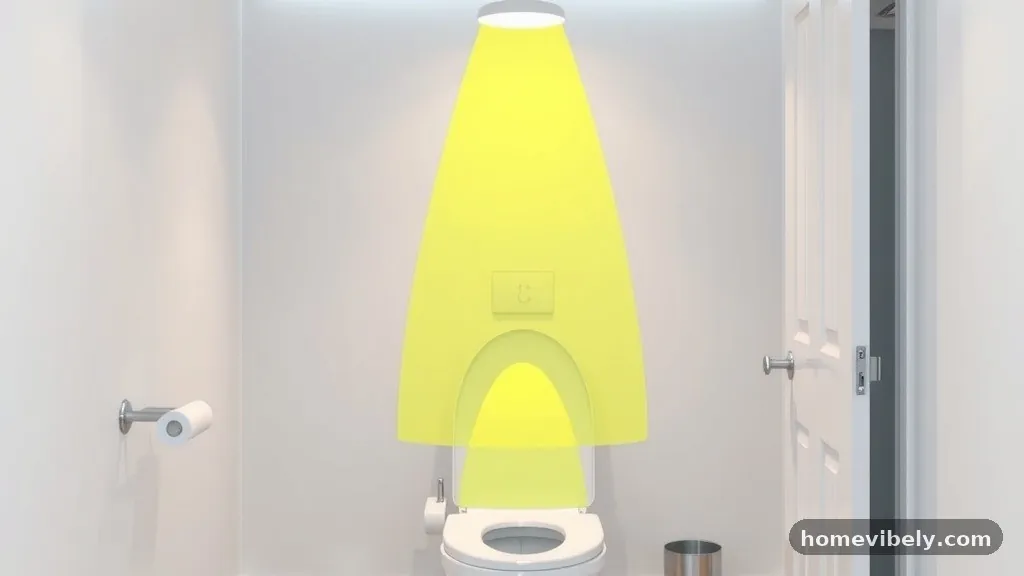
Mechanical ventilation is the only reliable way to manage the air quality in an enclosed toilet room. Unlike a shared bathroom with a tub or shower, a water closet is a high-traffic area for odors. Without a dedicated fan, these odors linger, potentially permeating adjacent living spaces.
Furthermore, even if the room lacks a shower, moisture from sink use or general humidity can still accumulate. A well-installed fan creates negative pressure, which pulls fresh air from the rest of the home into the water closet and exhausts the stale air outside.
The Role of Makeup Air
For an exhaust fan to function at its peak, the room needs a source of makeup air. If the door to the water closet is airtight, the fan will struggle to pull air out, drastically reducing its effectiveness. You should ensure there is at least a 1/2-inch to 3/4-inch gap under the door to allow air to flow in from the main bathroom or hallway.
Without this gap, the fan will be starved of air and may become louder or burn out prematurely. This airflow path is a vital, often overlooked component of the ventilation system.
Comparing Ventilation Standards
Different organizations offer varying guidelines for bathroom ventilation, though they generally converge on similar principles for small rooms. The ASHRAE 62.2 standard, which is widely cited in building codes, provides a framework for residential ventilation that prioritizes whole-house health while setting specific requirements for wet rooms.
Understanding these standards helps you move beyond basic assumptions and toward a design that actually works. The following table provides a quick reference for typical ventilation needs based on common bathroom configurations.
| Room Type | Standard CFM Recommendation | Key Consideration |
|---|---|---|
| Enclosed Water Closet | 50 CFM | Focus on odor removal |
| Standard Bathroom (under 100 sq ft) | 50-80 CFM | Focus on humidity control |
| Large Bathroom with Shower/Tub | 1 CFM per sq ft | Total volume of the room |
| Master Bath Suite | 100+ CFM | Zoned ventilation |
Selecting the Right Exhaust Fan
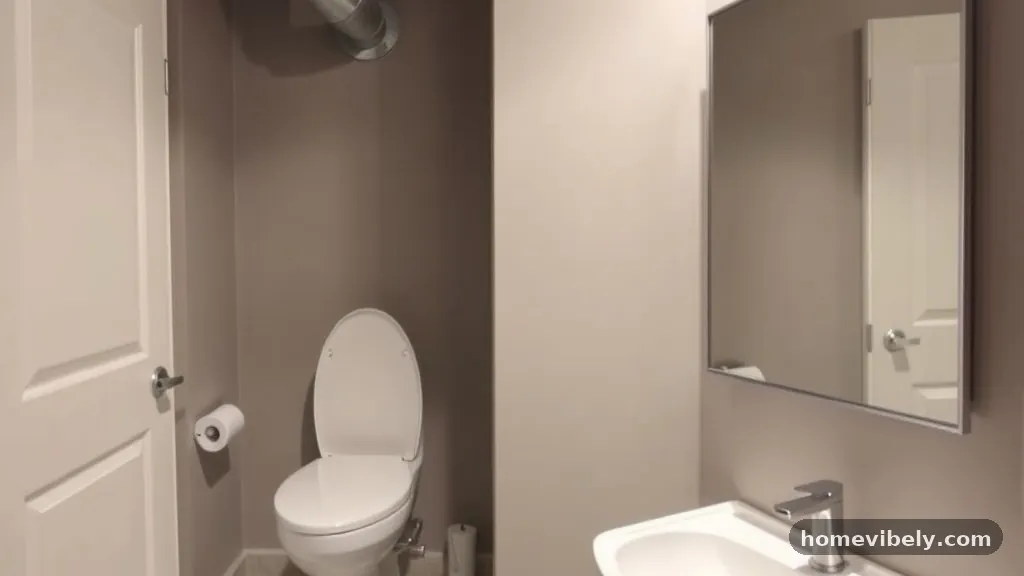
When purchasing a fan, look for the HVI-certified rating to ensure the manufacturer’s claims are accurate. Many budget-friendly fans claim high CFM ratings but fail to perform under the static pressure created by ductwork. You should also pay attention to the sones rating, which measures the noise level of the fan.
A lower sone rating, typically 1.0 or less, is ideal for a small, enclosed space where a loud fan can be distracting. High-quality fans often include features like humidity sensors or motion detectors that automate the process, ensuring the fan runs exactly as long as needed.
Installation and Ducting Best Practices
The efficiency of your fan is heavily dependent on how it is vented. You must ensure the exhaust duct leads directly to the outside of the home, never into an attic or crawlspace. Moisture buildup in these areas can lead to significant mold growth and structural damage over time.
Use rigid metal ducting whenever possible, as flexible plastic ducts tend to sag and collect water, which creates resistance and noise. Keep the duct run as short and straight as possible to minimize pressure loss, which allows the fan to reach its full rated CFM capacity.
Maintenance for Long-Term Performance
Even the best ventilation system requires periodic maintenance to remain effective. Dust and lint accumulate on the fan grille and within the blower housing, which restricts airflow and forces the motor to work harder. You should vacuum the grille at least twice a year to keep the air intake clear.
If you notice the fan becoming significantly louder or failing to pull air effectively, it may be time to clean the internal blades or inspect the exterior vent cap for blockages. Regular upkeep ensures that the CFM requirements for an enclosed water closet toilet room continue to be met throughout the life of the home.
Common Pitfalls in Bathroom Ventilation
Many homeowners make the mistake of installing a fan that is too small because they assume the room is rarely used. Another common error is failing to consider the impact of the duct length on the fan’s performance. A fan rated for 50 CFM at the housing might only deliver 30 CFM if it has to push air through 20 feet of narrow, winding ductwork.
Always check the fan’s performance curve, which shows how the CFM drops as the static pressure increases. For more technical guidance on these standards, you can consult the Home Ventilating Institute for certified product performance data.
Frequently Asked Questions
Do I really need an exhaust fan in a water closet with a window?
Yes, a mechanical fan is still necessary. Windows are often closed during cold or hot weather, and they do not provide the consistent, controlled air removal that a fan offers. Relying solely on a window can lead to trapped odors and potential moisture issues in the wall cavities.
How do I know if my fan is providing enough CFM?
A simple test involves holding a single square of toilet paper up to the fan grille while it is running. If the fan holds the paper firmly against the vent, it is generating sufficient suction to move air effectively. If the paper falls, the fan may be underpowered, blocked, or poorly ducted.
Can I share a vent duct with another bathroom fan?
It is generally discouraged to share a duct between two fans unless the system is specifically designed with backdraft dampers. Without proper dampers, one fan may simply push air into the other room rather than out of the house. It is much more reliable to run a dedicated duct for each fan.
How often should the fan be running?
For a water closet, the fan should run while the room is in use and for at least 10 to 20 minutes afterward to ensure complete odor clearance. Many modern fans feature integrated timers or humidity sensors that handle this automatically, ensuring you don’t have to remember to switch it off.
Why is my bathroom fan so loud?
Noise is usually caused by a high sone rating, a dirty fan housing, or restricted ductwork. If the fan is pushing against too much resistance due to a long or clogged duct, the motor will struggle and generate more vibration. Cleaning the unit and ensuring a clear path to the exterior can significantly reduce noise levels.
Conclusion
Meeting the correct CFM requirements for an enclosed water closet toilet room is a fundamental aspect of creating a healthy and comfortable home environment. By selecting a high-quality fan with an appropriate rating, ensuring a clear path for exhaust, and maintaining the system regularly, you can effectively manage air quality. Proper ventilation prevents the accumulation of odors and protects your home from the long-term effects of trapped moisture.
Taking the time to install and maintain these systems correctly adds value to your property and ensures daily convenience. If you have questions about your specific layout, consider consulting a local HVAC professional to ensure your installation meets all current building codes and efficiency standards.