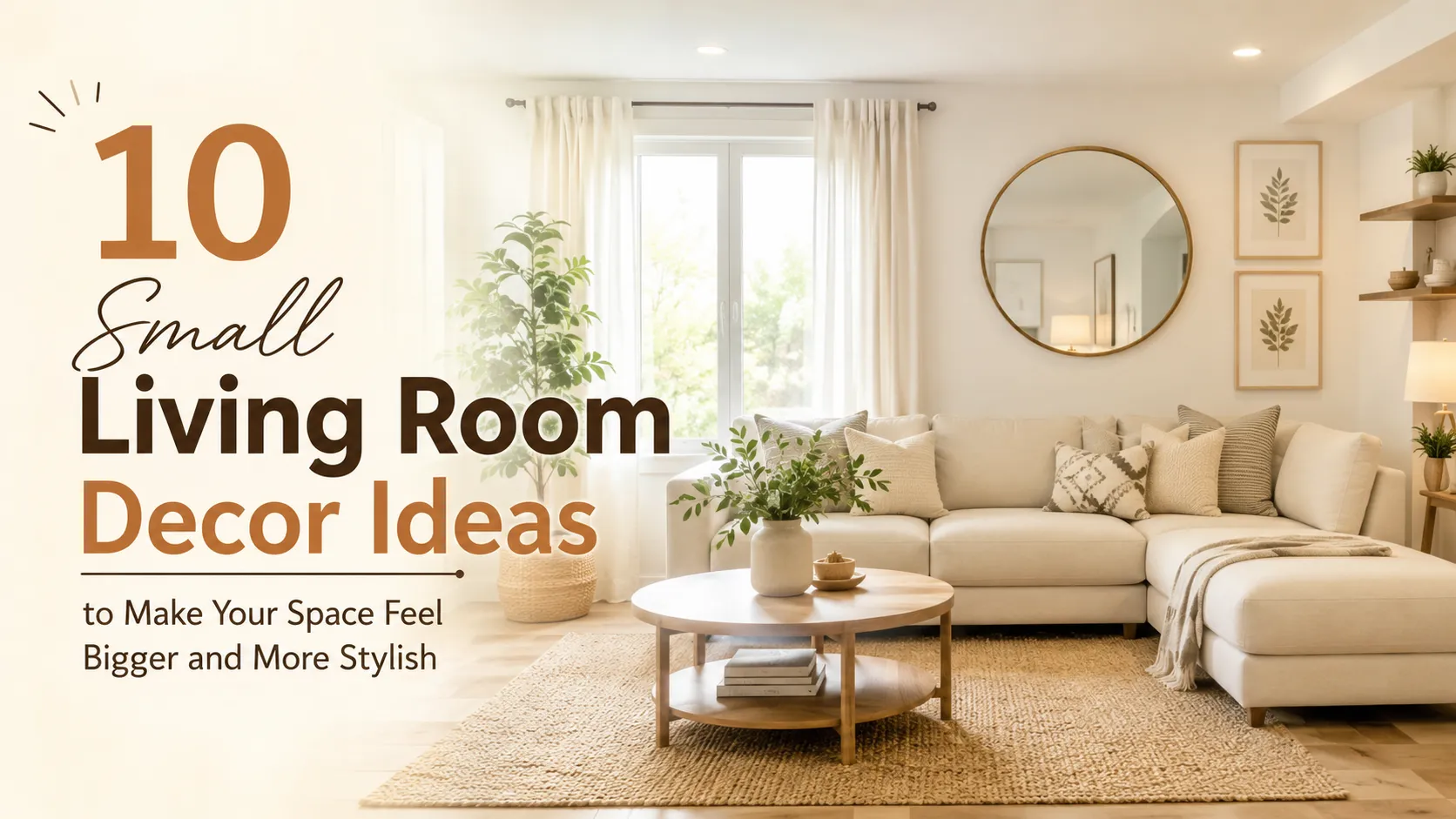
10 Small Living Room Decor Ideas to Make Your Space Feel Bigger and More Stylish
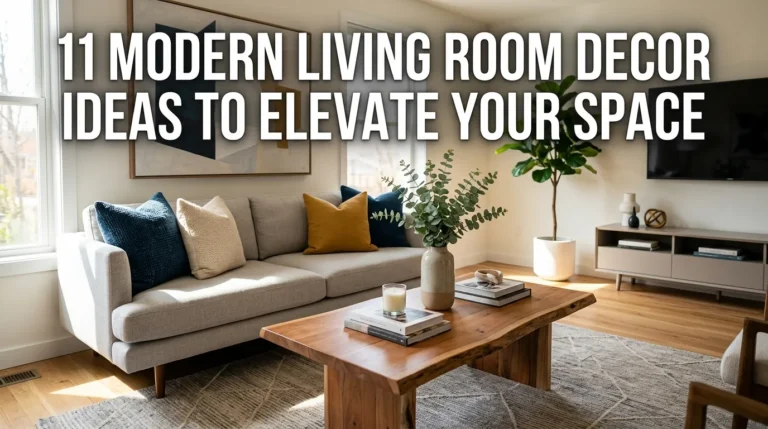
Decorating a small living room can feel challenging, especially when you’re trying to balance comfort, functionality, and style within a limited amount of space. Many homeowners and apartment dwellers worry that smaller rooms will feel cramped or cluttered, but with the right design choices, even the most compact living room can feel bright, welcoming, and surprisingly spacious.
One thing I’ve noticed is that successful small living rooms aren’t necessarily filled with less furniture. Instead, they use furniture more intentionally. Thoughtful layouts, strategic storage solutions, light color palettes, and carefully selected decor often make a bigger difference than square footage alone. That’s why many interior designers focus on maximizing visual space while maintaining everyday functionality.
Another advantage of smaller living rooms is that they’re often easier and more affordable to refresh. A few simple updates can dramatically transform the room’s appearance without requiring major renovations or expensive furniture purchases. Small spaces also encourage more intentional decorating, helping homeowners focus on pieces they truly love.
Whether your style is modern, farmhouse, minimalist, cozy, contemporary, or traditional, these small living room decor ideas can help you create a space that feels larger, more comfortable, and beautifully designed. From smart furniture choices to clever styling tricks, these ideas offer practical inspiration for making the most of every square foot.
Table of Contents
- Light Neutral Palette
- Multi-Functional Furniture
- Vertical Storage Styling
- Statement Mirror Display
- Floating Shelf Decor
- Cozy Layered Textures
- Slim Furniture Profiles
- Smart Lighting Layers
- Minimalist Wall Styling
- Open Layout Arrangement
1. Light Neutral Palette
Quick Benefits
- Makes room feel larger
- Reflects natural light
- Timeless appearance
- Easy to decorate
- Creates calm atmosphere
Why It Works
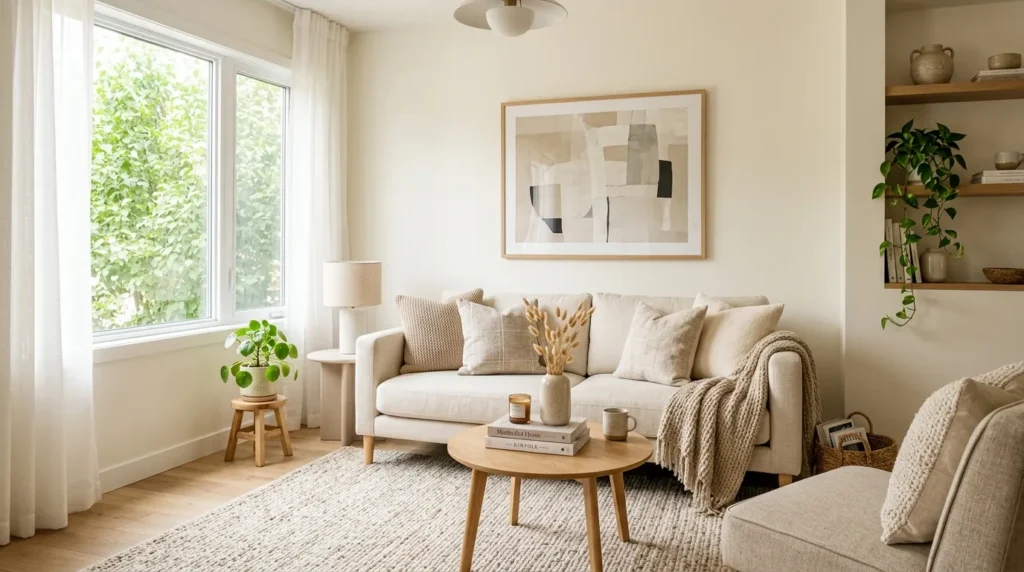
Light colors naturally reflect more light than darker shades, helping small rooms feel more open and airy. Soft whites, warm creams, beige tones, and light grays create a bright foundation that visually expands the space.
Many designers recommend neutral palettes because they provide flexibility while reducing visual clutter. A cohesive color scheme helps create continuity, which contributes to a more spacious appearance.
How To Style It
Use light wall colors, neutral furniture, and soft textiles to establish a bright foundation. Layer subtle textures such as linen, boucle, and woven materials to add depth without overwhelming the room.
Introduce color through small accessories that can easily be updated as styles change.
2. Multi-Functional Furniture
Quick Benefits
- Maximizes space
- Reduces clutter
- Increases storage
- Improves functionality
- Ideal for small rooms
Why It Works
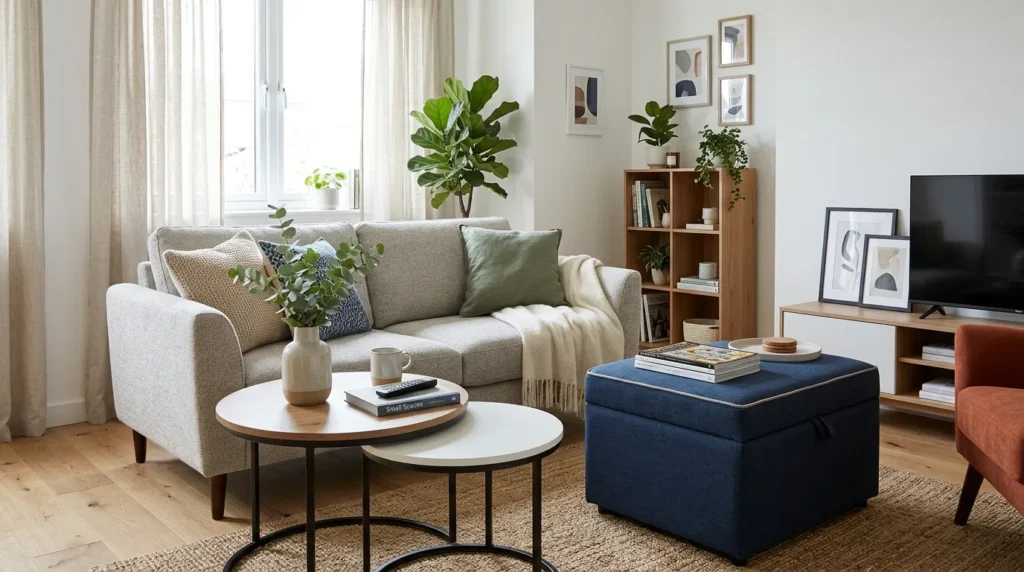
Furniture that serves multiple purposes is essential in smaller living rooms. Pieces such as storage ottomans, nesting tables, sleeper sofas, and lift-top coffee tables help maximize functionality while minimizing the number of items in the room.
This approach allows homeowners to maintain comfort and convenience without sacrificing valuable floor space.
How To Style It
Choose furniture with hidden storage whenever possible. Use ottomans that double as seating and storage, and select coffee tables that offer shelves or drawers.
Keep furniture proportions appropriate for the room size to maintain visual balance.
3. Vertical Storage Styling
Quick Benefits
- Uses unused wall space
- Adds storage
- Draws eye upward
- Reduces floor clutter
- Enhances organization
Why It Works
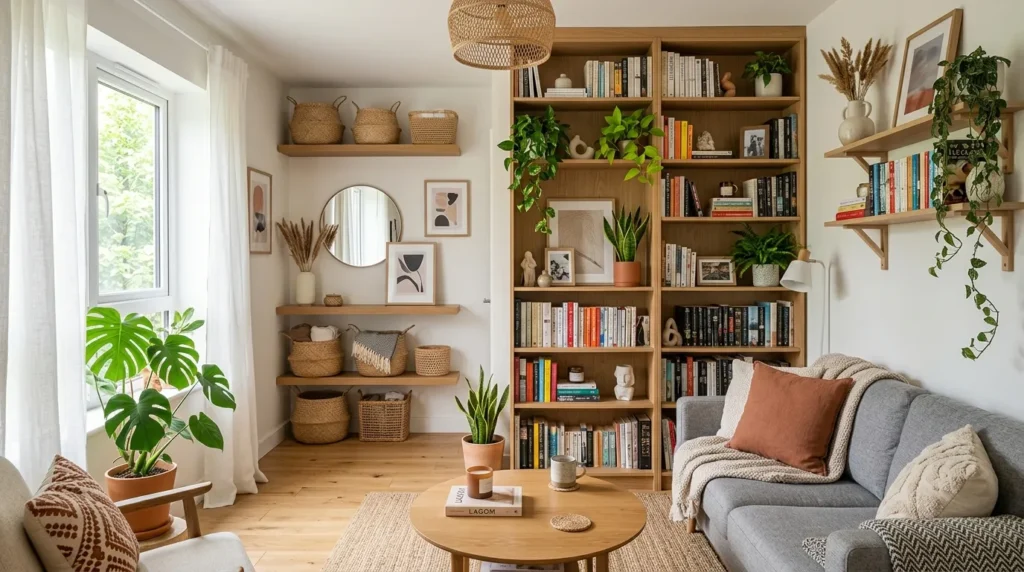
When floor space is limited, vertical storage becomes especially valuable. Tall shelving units, built-in storage, and wall-mounted solutions allow homeowners to store and display items without crowding the room.
Drawing attention upward also helps create the illusion of higher ceilings and a larger overall space.
How To Style It
Install tall bookshelves or floating shelves that extend toward the ceiling. Use decorative baskets and storage boxes to keep items organized.
Mix functional storage with decorative accents to create a balanced and visually appealing display.
4. Statement Mirror Display
Quick Benefits
- Reflects light
- Creates depth
- Makes room appear larger
- Stylish focal point
- Works in any decor style
Why It Works
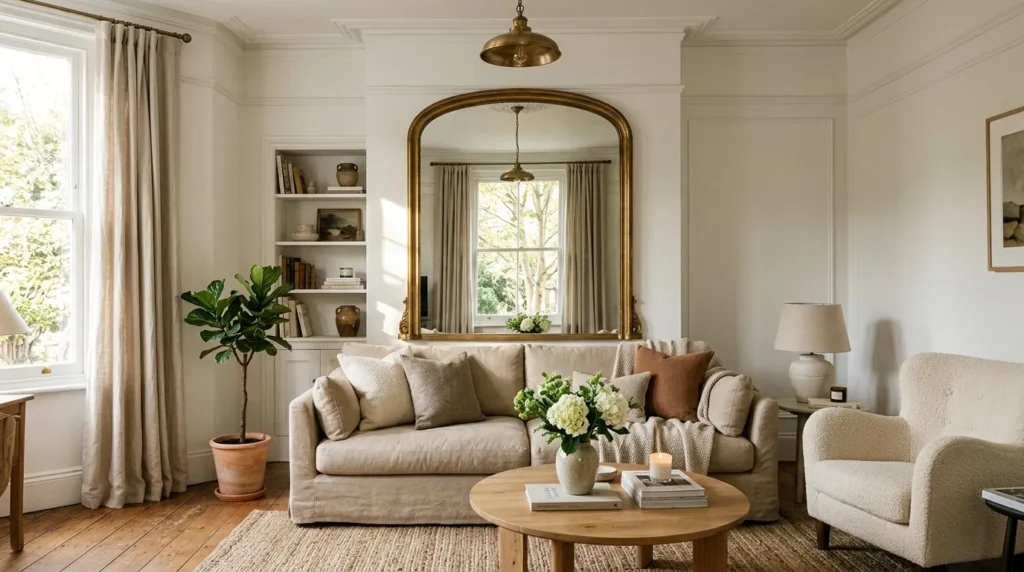
Mirrors are one of the oldest and most effective design tricks for making small spaces feel larger. By reflecting both natural and artificial light, mirrors help brighten the room while creating the illusion of additional depth.
A well-placed mirror can dramatically transform how a space feels without requiring significant changes.
How To Style It
Place a large mirror opposite a window whenever possible to maximize light reflection. Choose frames that complement the overall design style of the room.
Oversized mirrors often create the greatest visual impact in smaller spaces.
5. Floating Shelf Decor
Quick Benefits
- Saves floor space
- Adds storage
- Easy to customize
- Modern appearance
- Budget-friendly
Why It Works
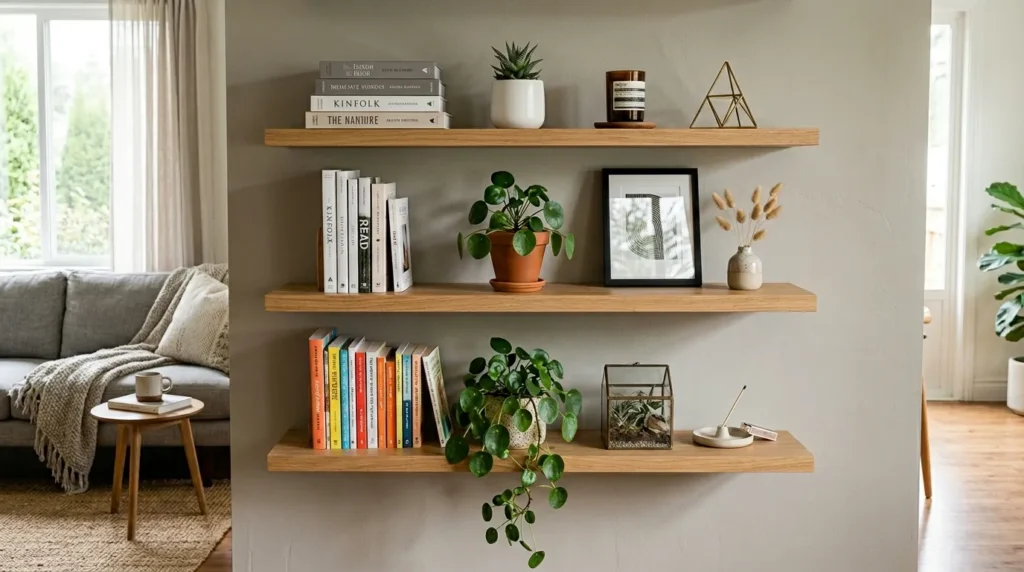
Floating shelves provide display and storage opportunities without the visual weight of larger furniture pieces. Their streamlined design helps maintain an open appearance while keeping decorative items accessible.
This solution works particularly well in apartments and compact homes where every inch matters.
How To Style It
Arrange books, plants, candles, and decorative objects on floating shelves. Leave some open space between items to prevent the display from feeling overcrowded.
Choose shelf finishes that coordinate with existing furniture and decor.
6. Cozy Layered Textures
Quick Benefits
- Adds warmth
- Creates comfort
- Enhances style
- Budget-friendly updates
- Designer-inspired look
Why It Works
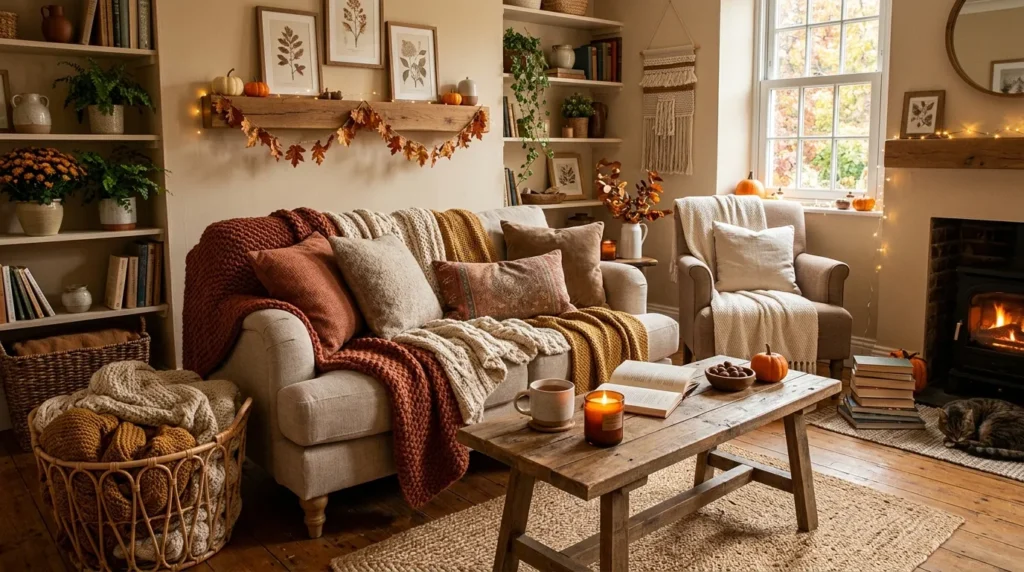
Small living rooms benefit from texture because it creates visual interest without requiring additional furniture or decor. Layered textures make a room feel richer and more inviting while maintaining simplicity.
One thing that works especially well is combining multiple soft materials within a neutral color palette.
How To Style It
Layer knit throws, textured pillows, woven baskets, and natural materials throughout the room. Focus on a few complementary textures rather than introducing too many competing elements.
The result feels cozy and sophisticated without appearing cluttered.
7. Slim Furniture Profiles
Quick Benefits
- Saves space
- Improves traffic flow
- Modern appearance
- Less visual weight
- Makes room feel larger
Why It Works
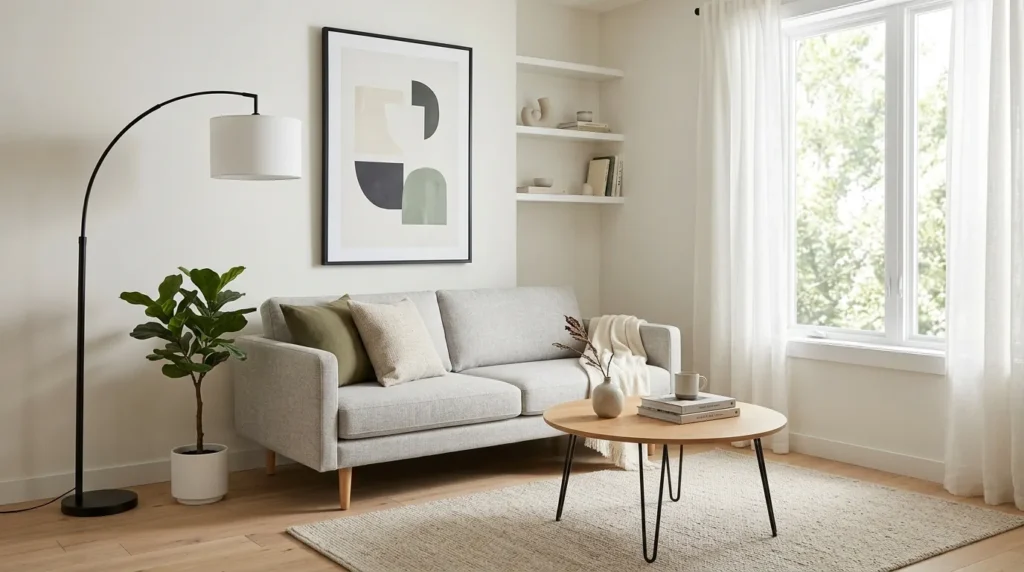
Bulky furniture can overwhelm a small living room, making it feel crowded and difficult to navigate. Slim-profile furniture creates a lighter appearance while preserving valuable floor space.
Many modern furniture designs incorporate slender legs and streamlined silhouettes specifically to address this issue.
How To Style It
Choose sofas, chairs, and tables with exposed legs and slim frames. Avoid oversized armrests and heavy furniture pieces when possible.
Maintain adequate space between items to support comfortable movement throughout the room.
8. Smart Lighting Layers
Quick Benefits
- Brightens space
- Improves atmosphere
- Creates depth
- Flexible functionality
- Enhances decor
Why It Works
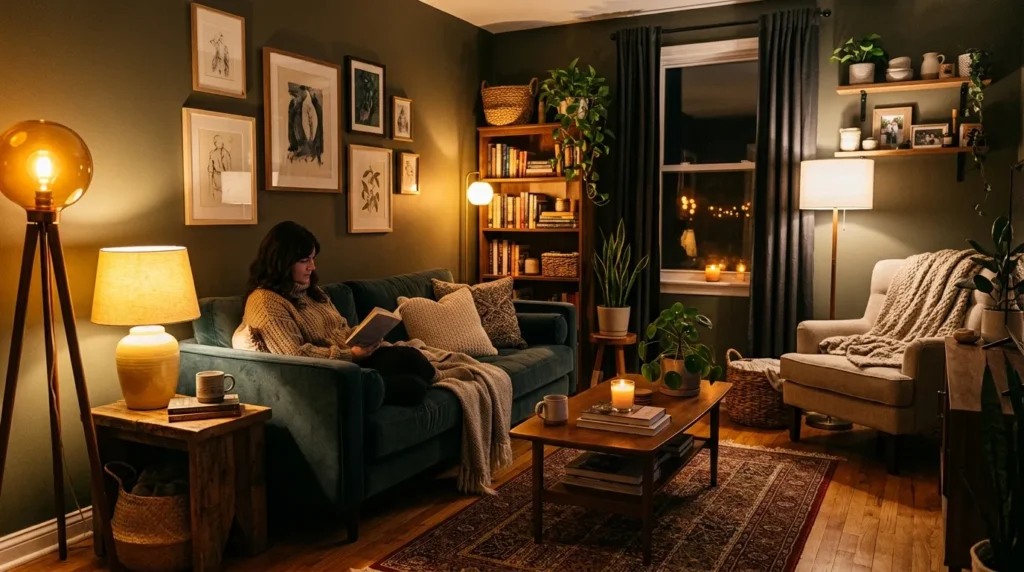
Lighting plays a significant role in how spacious a room feels. Multiple light sources help eliminate dark corners while creating a more inviting environment.
Layered lighting allows homeowners to adjust the atmosphere based on different activities and times of day.
How To Style It
Combine ceiling lighting with table lamps, floor lamps, and wall sconces. Use warm bulbs to create a comfortable and welcoming atmosphere.
Position lighting strategically to highlight architectural features and decorative elements.
9. Minimalist Wall Styling
Quick Benefits
- Reduces visual clutter
- Creates cleaner appearance
- Easy maintenance
- Modern aesthetic
- Makes room feel larger
Why It Works
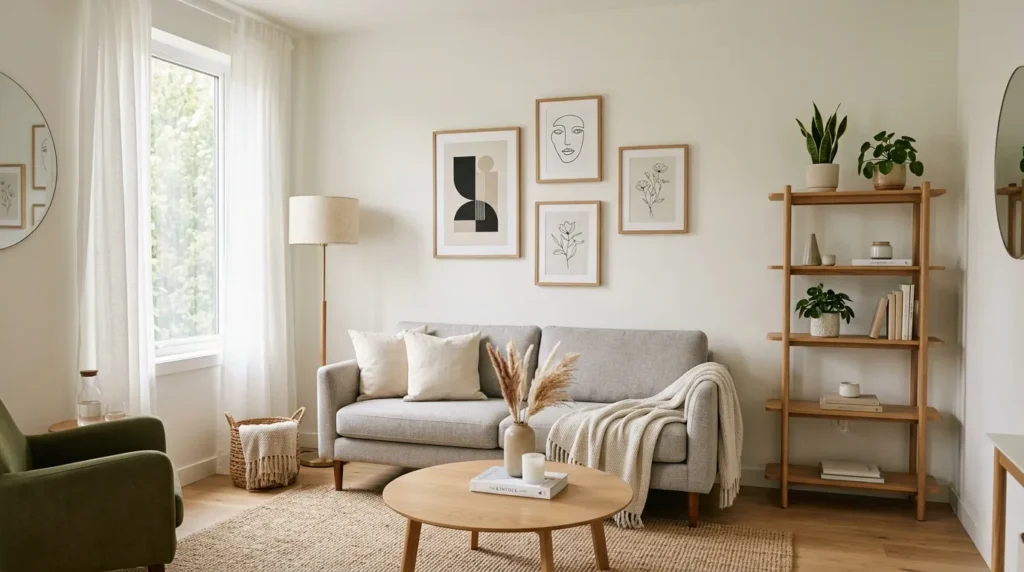
Overdecorated walls can make small rooms feel busy and confined. A more minimalist approach helps maintain openness while still adding personality and style.
Thoughtful curation often creates stronger visual impact than filling every available wall space.
How To Style It
Choose one large piece of artwork or a carefully arranged gallery wall. Focus on quality and placement rather than quantity.
Allow some negative space to remain visible to create balance.
10. Open Layout Arrangement
Quick Benefits
- Improves flow
- Maximizes space
- Creates openness
- Better functionality
- Modern design approach
Why It Works
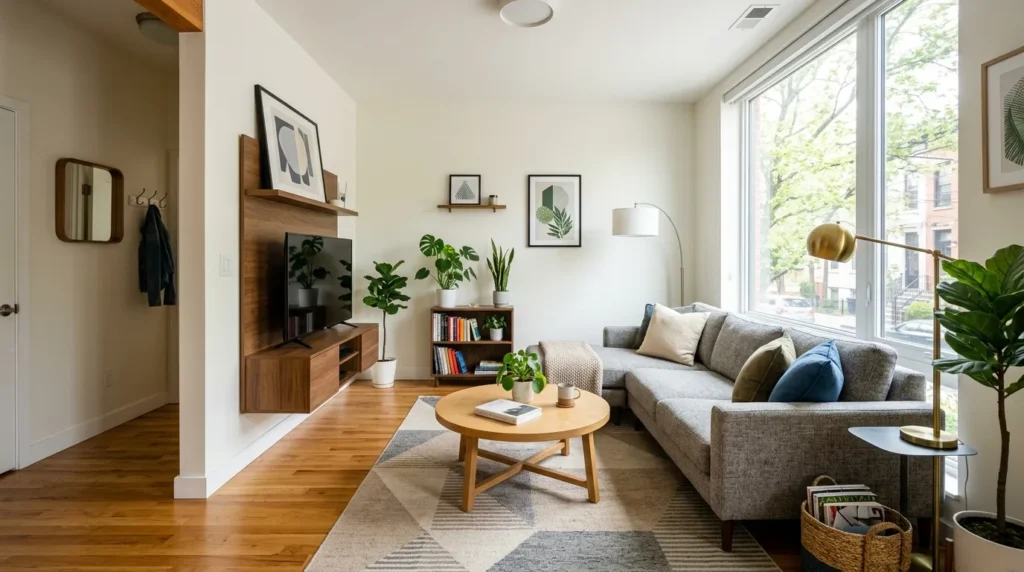
Furniture placement significantly affects how spacious a room feels. An open layout encourages movement while preventing the room from feeling crowded or blocked.
Even minor adjustments can dramatically improve the functionality and appearance of a small living room.
How To Style It
Position furniture to maintain clear pathways throughout the room. Avoid pushing every piece against the walls, which can sometimes make the space feel smaller.
Use area rugs to define seating zones while preserving an open overall layout.
Frequently Asked Questions
What colors make a small living room look bigger?
Light colors such as white, cream, soft beige, and pale gray reflect more light and help create a spacious appearance. Consistent color palettes also contribute to visual continuity.
How can I make my small living room feel cozy without clutter?
Focus on layering textures rather than adding excessive decor. Soft throws, pillows, warm lighting, and a few meaningful accessories create comfort without overcrowding the room.
Should I use large furniture in a small living room?
Furniture should be proportional to the space. In many cases, a few appropriately sized pieces work better than numerous smaller items that create visual clutter.
Are mirrors effective in small spaces?
Yes. Mirrors reflect light and create the illusion of additional depth, making them one of the most effective tools for visually expanding a room.
What type of storage works best in small living rooms?
Multi-functional furniture, floating shelves, built-ins, and vertical storage solutions help maximize storage while preserving floor space.
How do I arrange furniture in a small living room?
Prioritize clear pathways and comfortable seating. Arrange furniture around a focal point while maintaining enough space for movement.
Conclusion
A small living room doesn’t have to feel limiting. With thoughtful design choices, strategic furniture selection, and intentional styling, compact spaces can feel bright, comfortable, and surprisingly spacious. The key is focusing on functionality while maintaining a cohesive and uncluttered appearance.
Whether you choose to incorporate light color palettes, vertical storage, layered textures, or multi-functional furniture, each of these ideas can help maximize the potential of your living room. Small changes often have the greatest impact when applied thoughtfully.
Start with one or two improvements that address your biggest challenges and build from there. Over time, you’ll create a living room that feels larger, more organized, and perfectly suited to your lifestyle.
Related Articles
- 10 Small Apartment Living Room Ideas
- 10 Cozy Living Room Decor Ideas
- 10 Modern Home Decor Ideas
- 10 Smart Storage Solutions for Small Spaces
- 10 Neutral Living Room Design Ideas