11 Cute Gardening and Landscaping Ideas
A beautiful garden doesn’t require a massive backyard or a professional landscaping budget. In fact, some of the most charming outdoor spaces are created through thoughtful details, clever plant combinations, and simple design choices that make a yard feel welcoming and personal. Whether you have a spacious property, a suburban backyard, or a compact garden area, the right landscaping ideas can completely transform how your outdoor space looks and feels.
One thing I’ve noticed is that homeowners often focus only on plants while overlooking the design elements that make gardens truly memorable. Pathways, layered planting, decorative borders, outdoor seating, and creative focal points all contribute to a landscape that feels intentional and inviting. That’s why many designers recommend thinking about your garden as an extension of your home rather than a separate area.
Cute gardening and landscaping ideas are especially popular because they combine beauty with practicality. They help create outdoor spaces that feel relaxing, photogenic, and enjoyable throughout the year. Whether your style leans cottage-inspired, modern, rustic, or colorful, there are countless ways to add personality and charm without overwhelming your yard.
The ideas in this guide focus on creating outdoor spaces that are both visually appealing and functional. From flower-filled pathways to cozy seating areas and decorative garden accents, these landscaping concepts can help you build a garden that’s worthy of saving on Pinterest and enjoyable in everyday life.
Table of Contents
- Cottage Flower Borders
A colorful planting style filled with charm and seasonal beauty. - Curved Garden Paths
Soft pathways that add movement and visual interest. - Raised Garden Beds
Organized planting areas that improve function and style. - Cozy Seating Corner
A relaxing outdoor retreat surrounded by greenery. - Decorative Stone Edging
A simple upgrade that creates a polished appearance. - Vertical Garden Wall
A space-saving solution packed with visual impact. - Layered Plant Design
A professional landscaping technique that adds depth. - Garden Lighting Glow
Beautiful lighting that enhances evening ambiance. - Water Feature Charm
A calming focal point for outdoor spaces. - Colorful Container Displays
Flexible plant arrangements for any yard size. - Whimsical Garden Accents
Creative decorative elements that add personality.
1. Cottage Flower Borders
Quick Benefits
- Adds colorful curb appeal
- Creates seasonal interest
- Attracts pollinators
- Softens landscape edges
- Provides continuous blooms
Why It Works
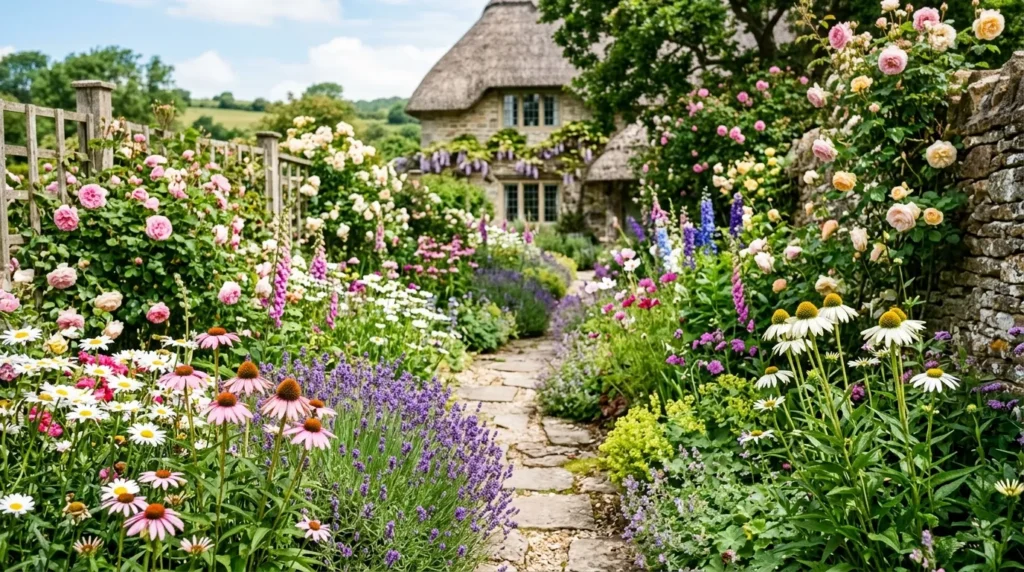
Cottage-style flower borders remain one of the most beloved landscaping trends because they create an effortlessly beautiful appearance filled with color and texture. The layered combination of flowering plants, ornamental grasses, and greenery creates a garden that feels natural rather than overly structured. This style works particularly well for homeowners who want their yard to feel welcoming and vibrant throughout multiple seasons.
I’ve seen this idea transform ordinary front yards into spaces that feel straight out of a storybook. The variety of plant heights, bloom colors, and foliage textures creates visual movement that keeps the landscape interesting year-round. It also encourages pollinators such as butterflies and bees, which adds life and activity to the garden.
How To Style It
Choose a mix of flowering perennials such as coneflowers, lavender, daisies, salvia, and black-eyed Susans. Arrange taller plants toward the back and shorter varieties near the front to create a layered effect.
Incorporate evergreen shrubs for year-round structure and use mulch to create a clean, finished appearance. Repeating plant groupings throughout the border helps maintain visual cohesion while allowing the garden to feel lush and abundant.
2. Curved Garden Paths
Quick Benefits
- Creates visual flow
- Defines outdoor areas
- Makes gardens feel larger
- Adds character
- Improves accessibility
Why It Works
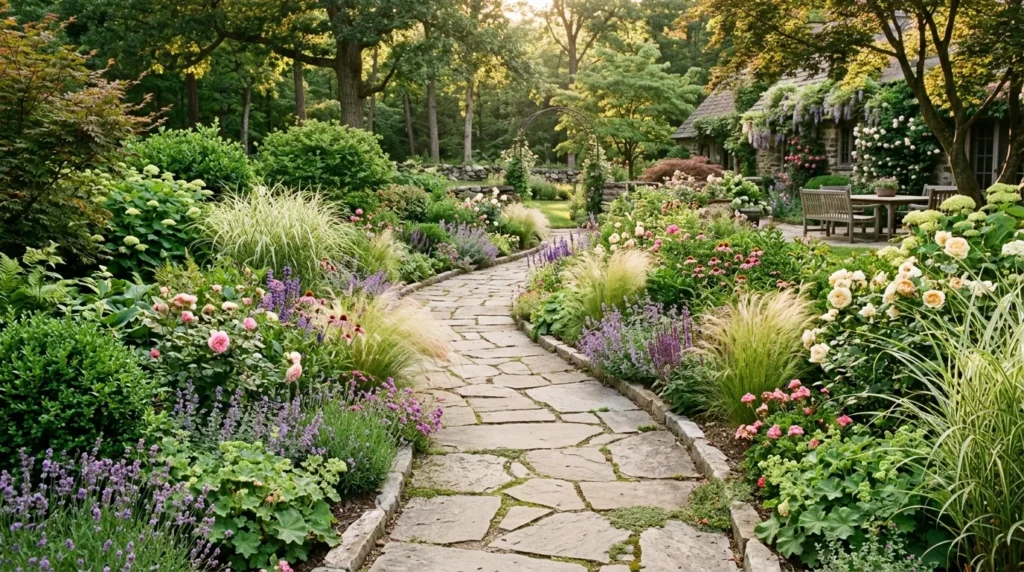
Curved pathways naturally guide the eye through a landscape while creating a sense of discovery. Unlike straight walkways, curved paths encourage people to explore the garden and appreciate different views along the way. This design approach can make even small outdoor spaces feel larger and more dynamic.
One thing that works especially well about curved pathways is their ability to soften rigid landscapes. The flowing lines create a more relaxed atmosphere that complements flowers, shrubs, and natural plantings beautifully.
How To Style It
Use materials such as natural stone, gravel, brick, or pavers to create a durable path. Allow gentle curves rather than dramatic bends to maintain a natural appearance.
Border the walkway with low-growing flowers, ornamental grasses, or decorative edging. Soft landscape lighting can further highlight the path and improve nighttime visibility.
3. Raised Garden Beds
Quick Benefits
- Improves organization
- Easier maintenance
- Better drainage
- Cleaner appearance
- Maximizes growing space
Why It Works
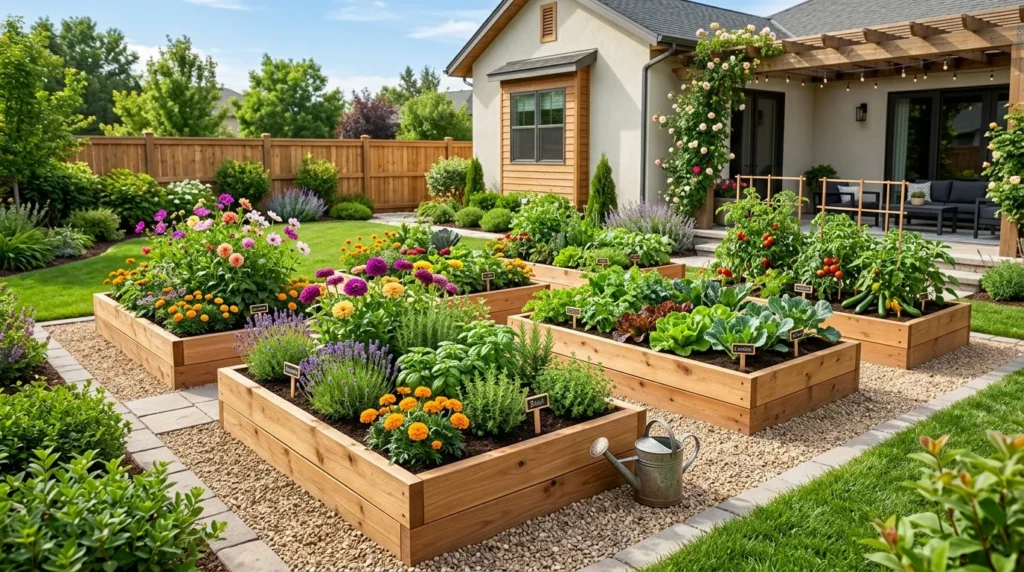
Raised garden beds offer both practical and visual benefits. They provide better soil control, improve drainage, and make gardening easier by reducing the need for excessive bending and kneeling. From a design perspective, they introduce structure that helps gardens feel organized and intentional.
Many homeowners appreciate raised beds because they create designated planting zones that are easier to manage throughout the growing season. They also work beautifully in both traditional and modern landscapes.
How To Style It
Choose materials such as cedar wood, stone, or composite boards for durability and aesthetic appeal. Arrange beds in symmetrical layouts for a formal look or staggered groupings for a more relaxed garden design.
Plant vegetables, herbs, flowers, or mixed combinations depending on your goals. Surround the beds with gravel pathways or mulch to maintain a clean and polished appearance.
4. Cozy Seating Corner
Quick Benefits
- Creates a relaxing retreat
- Encourages outdoor use
- Enhances comfort
- Increases functionality
- Adds visual appeal
Why It Works
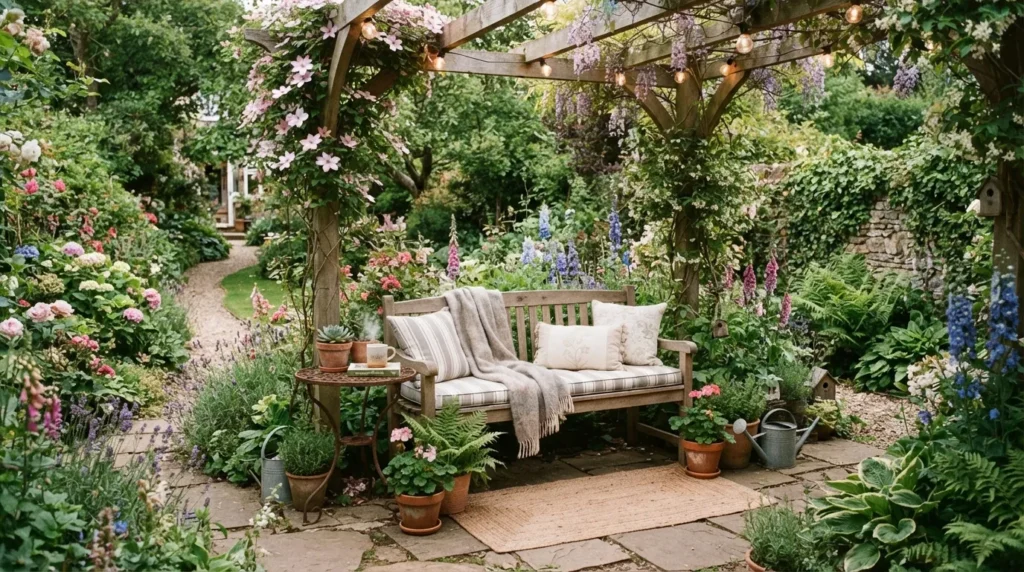
A garden should be enjoyed, not just admired. That’s why dedicated seating areas are one of the most valuable additions to any landscape. A comfortable corner encourages people to spend more time outdoors while providing a peaceful place to relax, read, or enjoy morning coffee.
In my experience, even a small seating area can dramatically change how often homeowners use their outdoor space. The presence of a destination within the garden makes the entire landscape feel more purposeful and inviting.
How To Style It
Choose weather-resistant furniture that complements the style of your home. Surround the seating area with flowers, shrubs, or decorative planters to create a sense of enclosure and intimacy.
Add outdoor cushions, lanterns, and side tables for extra comfort. Position the space to take advantage of attractive garden views whenever possible.
5. Decorative Stone Edging
Quick Benefits
- Defines planting beds
- Improves curb appeal
- Creates clean lines
- Reduces maintenance
- Complements most styles
Why It Works
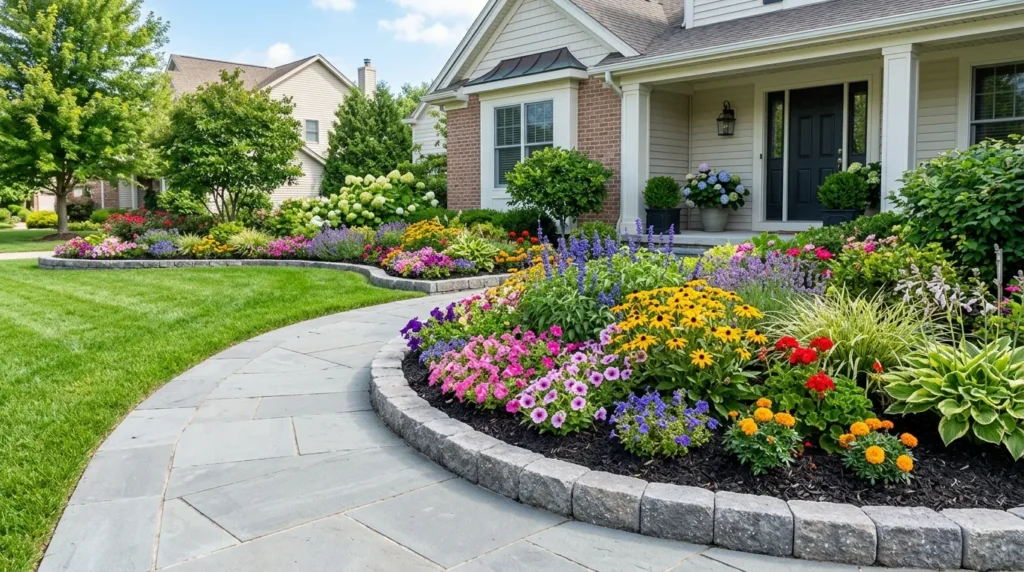
Stone edging provides a simple yet effective way to create separation between lawns, pathways, and planting beds. The defined borders help landscapes appear more organized while reducing grass encroachment and maintenance requirements.
A mistake many homeowners make is leaving bed edges undefined, which can cause gardens to appear unfinished. Stone edging solves this problem while introducing texture and visual interest.
How To Style It
Use natural stone, stacked rock, or decorative landscape blocks depending on your desired aesthetic. Install edging in gentle curves to complement surrounding plantings.
Pair the edging with fresh mulch and layered flowers to create a professional, well-maintained appearance.
6. Vertical Garden Wall
Quick Benefits
- Saves space
- Creates dramatic visual impact
- Perfect for small yards
- Adds greenery to blank walls
- Modern and stylish appearance
Why It Works
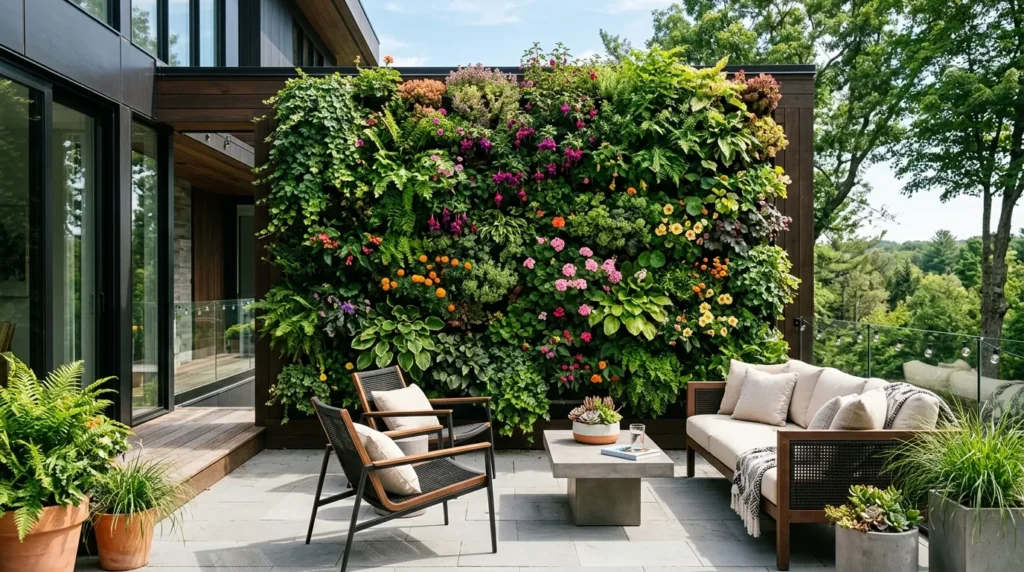
Vertical gardens have become increasingly popular because they maximize planting space while creating an impressive focal point. Instead of expanding outward, plants grow upward, making this solution ideal for compact gardens, patios, courtyards, and side yards. The lush appearance instantly adds life to outdoor areas while softening fences and walls.
I’ve noticed that vertical gardens often become the most photographed part of a landscape because they create texture, color, and depth in a unique way. They also allow homeowners to grow flowers, herbs, and decorative foliage in areas where traditional garden beds may not be practical.
How To Style It
Install wall-mounted planters, wooden pallet systems, metal garden grids, or modular vertical planting panels. Choose plants that thrive in your local climate and receive the appropriate amount of sunlight.
Mix trailing greenery, colorful flowers, and textured foliage to create visual interest. Consistent watering systems can help simplify maintenance and keep the display looking healthy throughout the season.
7. Layered Plant Design
Quick Benefits
- Creates professional landscaping
- Adds depth and dimension
- Improves visual balance
- Enhances seasonal interest
- Works in any garden size
Why It Works
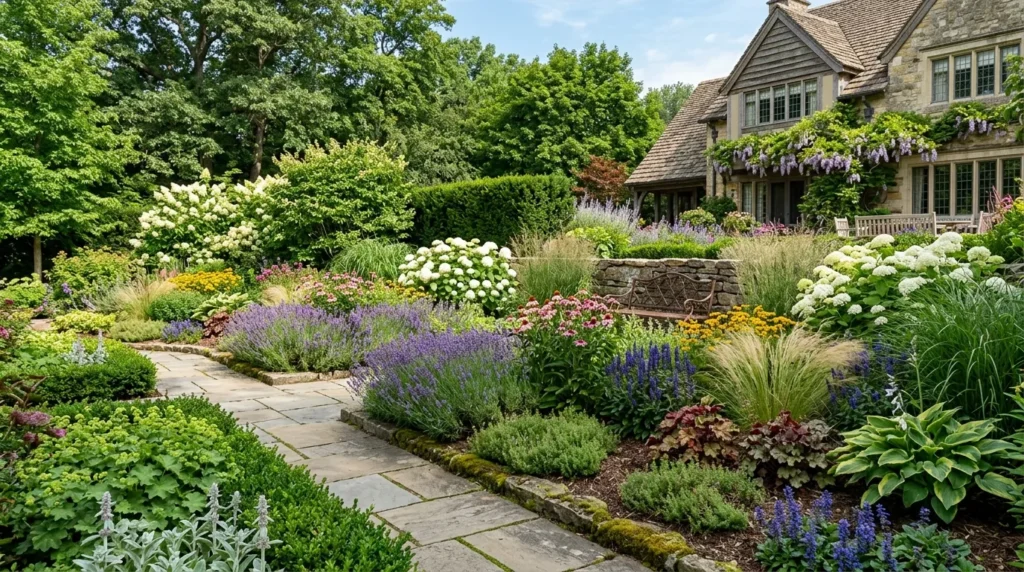
Layering is one of the most effective landscaping techniques because it mimics the way plants grow naturally. By arranging plants at varying heights, you create depth that makes the garden feel richer and more visually dynamic. This approach also helps ensure that every section of the landscape contributes to the overall design.
One simple trick I always suggest is thinking in layers rather than individual plants. When shrubs, flowers, grasses, and ground covers work together, the result feels much more polished and cohesive.
How To Style It
Place taller shrubs and ornamental grasses at the back of planting beds. Position medium-height perennials in the middle and low-growing flowers or ground covers near the front.
Repeat plant varieties throughout the landscape to maintain consistency. Incorporating different bloom times helps ensure year-round visual appeal.
8. Garden Lighting Glow
Quick Benefits
- Extends outdoor enjoyment
- Improves safety
- Creates ambiance
- Highlights landscape features
- Adds evening charm
Why It Works
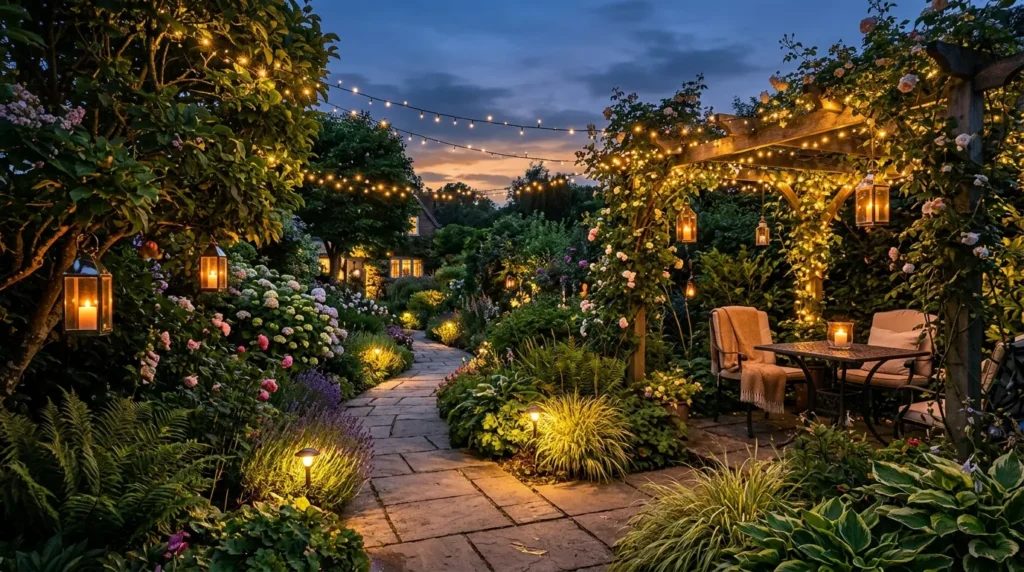
Garden lighting transforms outdoor spaces after sunset. During the day, landscaping relies on color and texture. At night, carefully placed lighting introduces warmth, atmosphere, and visual drama. Pathways become inviting, seating areas feel cozy, and focal points gain added importance.
Many designers recommend incorporating multiple lighting layers because it creates depth and avoids harsh illumination. The result is a landscape that feels magical rather than overly bright.
How To Style It
Use pathway lights, uplighting, string lights, lanterns, and accent fixtures to create a balanced lighting plan. Highlight trees, water features, garden beds, and architectural elements.
Warm white lighting generally feels more inviting than cool-toned bulbs. Solar-powered options can provide flexibility while reducing installation complexity.
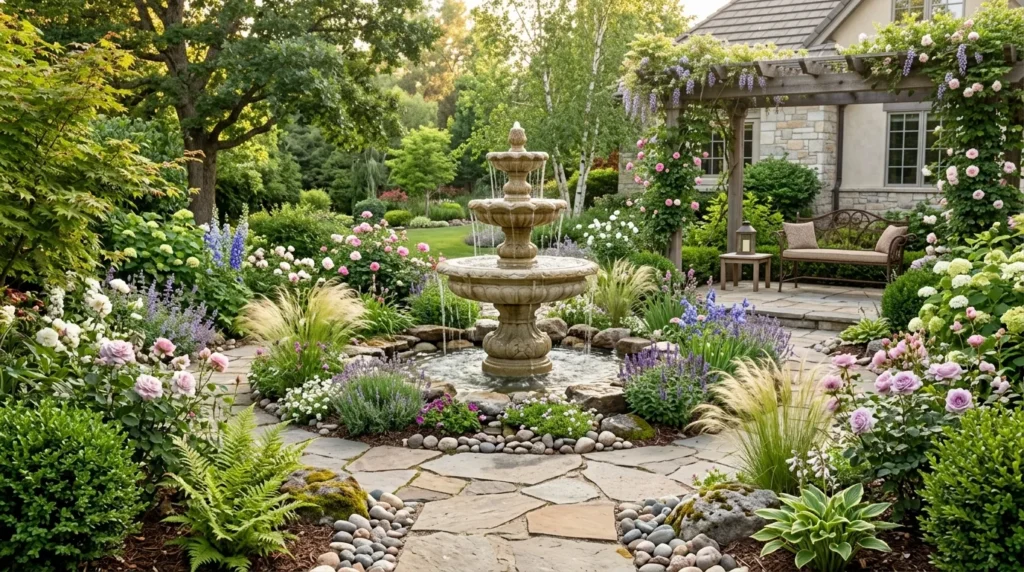
9. Water Feature Charm
Quick Benefits
- Creates a focal point
- Introduces soothing sounds
- Attracts wildlife
- Enhances relaxation
- Elevates landscape design
Why It Works
Water features add a sensory element that plants alone cannot provide. The sound of flowing water creates a calming atmosphere while helping mask unwanted background noise from traffic or neighboring properties. Even small fountains can have a significant impact on the overall mood of a garden.
I’ve seen this idea transform ordinary backyards into peaceful retreats. The movement of water naturally draws attention and creates a feeling of tranquility that encourages people to spend more time outdoors.
How To Style It
Choose a fountain, pond, bubbling urn, or compact waterfall that suits the size of your garden. Position it where it can be viewed from key seating areas or indoor windows.
Surround the feature with ornamental grasses, flowering plants, and decorative stones to create a cohesive and natural-looking setting.
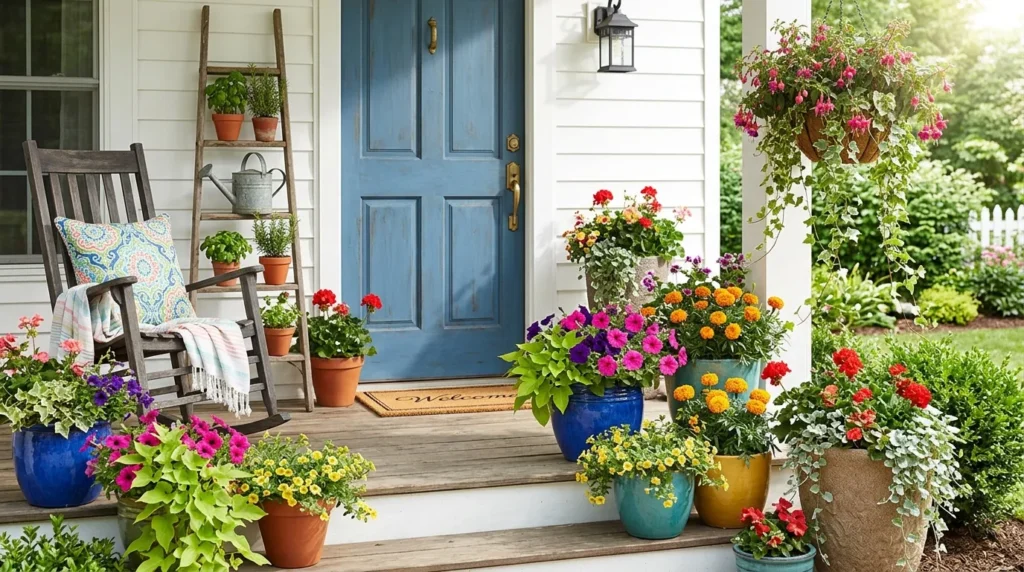
10. Colorful Container Displays
Quick Benefits
- Flexible design option
- Perfect for renters
- Easy seasonal updates
- Adds instant color
- Works in small spaces
Why It Works
Container gardens offer tremendous flexibility because they can be moved, rearranged, and updated as needed. They allow homeowners and renters alike to experiment with different plant combinations while adding color and personality to patios, porches, and entryways.
One thing that works especially well about container displays is their ability to create impact without major landscaping changes. A few thoughtfully arranged pots can dramatically improve the appearance of an outdoor space.
How To Style It
Choose containers in complementary colors and materials. Use the classic thriller, filler, and spiller method by combining upright plants, mounding varieties, and trailing foliage.
Group containers in odd numbers and vary their heights to create a more dynamic arrangement. Seasonal updates keep the display fresh throughout the year.
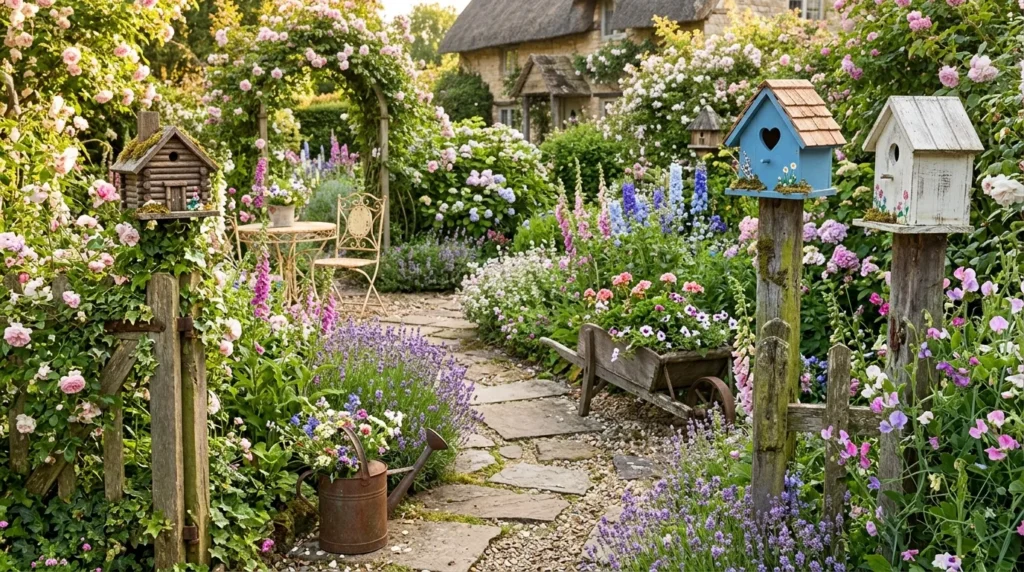
11. Whimsical Garden Accents
Quick Benefits
- Adds personality
- Creates unique focal points
- Enhances charm
- Encourages creativity
- Makes gardens memorable
Why It Works
Decorative accents help transform a garden from functional to unforgettable. Whimsical touches such as birdhouses, garden signs, sculptures, vintage containers, and decorative trellises introduce personality while reflecting the homeowner’s style.
I’ve noticed that the most memorable gardens often include small details that surprise and delight visitors. These accents create visual interest and help the landscape feel truly personal.
How To Style It
Choose decorative pieces that complement your overall garden theme. Cottage gardens may benefit from vintage-inspired accents, while modern landscapes often work best with clean-lined sculptures and contemporary decor.
Avoid overcrowding the space. A few thoughtfully selected accents will create greater impact than numerous competing decorations.
Frequently Asked Questions
What is the easiest landscaping idea for beginners?
Raised garden beds and colorful container displays are often the easiest starting points. They provide structure, require minimal design experience, and can be customized gradually as confidence grows.
How can I make a small garden look bigger?
Curved pathways, layered planting, vertical gardens, and strategic lighting all help create the illusion of a larger outdoor space. Consistent plant groupings and uncluttered layouts can also improve visual flow.
What plants work best for low-maintenance landscaping?
Perennials, ornamental grasses, evergreen shrubs, and native plants are often excellent choices because they require less watering, pruning, and seasonal replacement.
How important is mulch in landscaping?
Mulch helps retain moisture, suppress weeds, regulate soil temperature, and create a finished appearance. It is one of the simplest ways to improve both garden health and aesthetics.
Can landscaping increase property value?
Yes. Well-maintained landscaping can significantly improve curb appeal and create a stronger first impression, which may positively influence property value and buyer interest.
How often should garden lighting be updated?
Quality outdoor lighting can last for many years. However, seasonal adjustments and occasional fixture upgrades can help maintain performance and keep the landscape looking fresh.
Conclusion
Creating a beautiful garden doesn’t require a complete landscape overhaul. Often, a few thoughtful improvements can dramatically change how an outdoor space looks and feels. From flower-filled borders and curved pathways to cozy seating corners and decorative lighting, these ideas help transform ordinary yards into inviting retreats that support both relaxation and enjoyment.
One thing I’ve learned is that successful landscaping is about more than aesthetics. The best gardens balance beauty with functionality, creating spaces that are enjoyable throughout the seasons. Whether you’re working with a large backyard or a compact garden area, strategic design choices can maximize both visual appeal and usability.
Start with one or two ideas that align with your style and budget. As your garden evolves, you’ll discover new opportunities to layer plants, add personality, and create meaningful outdoor experiences. Over time, these improvements can turn your landscape into one of the most enjoyable parts of your home.
A thoughtfully designed garden not only enhances curb appeal but also provides a peaceful place to unwind, connect with nature, and enjoy everyday moments outdoors.
Related Articles
- 10 Cottage Garden Ideas
- 10 Backyard Landscaping Ideas
- 10 Front Yard Flower Bed Ideas
- 10 Small Garden Design Ideas
- 10 Outdoor Patio Decorating Ideas