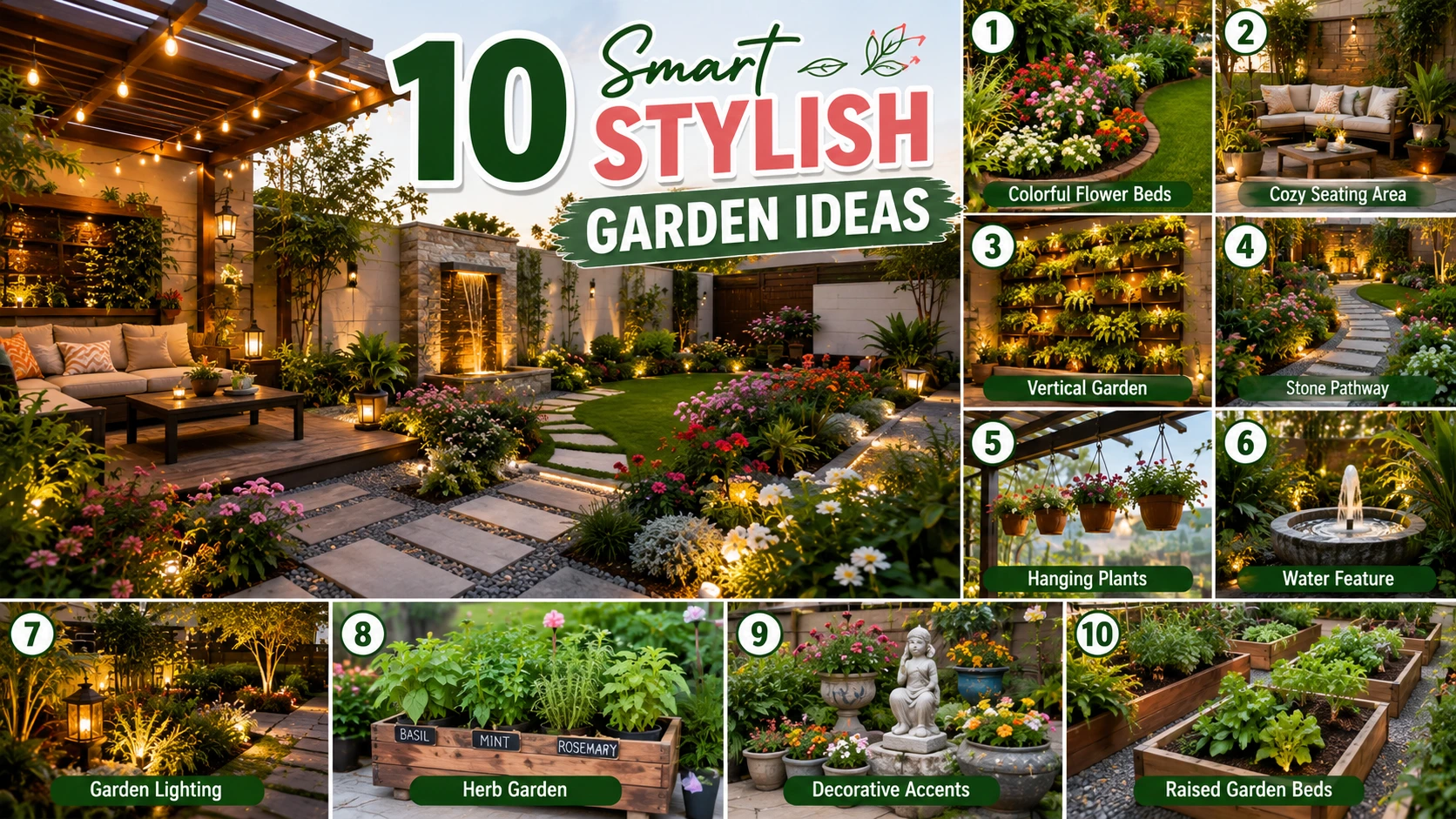
10 Smart Stylish Garden Ideas for a Beautiful and Functional Outdoor Space
Introduction
A well-designed garden does more than add beauty to a home. It creates an outdoor living space that can be enjoyed throughout the year while improving curb appeal and enhancing everyday life. Whether you have a compact backyard, a spacious landscape, or a small side garden, thoughtful design choices can transform the area into a functional and visually stunning retreat.
One thing I’ve noticed is that the most impressive gardens aren’t always the largest. Instead, they’re often the ones that combine smart planning with stylish details. Strategic planting, comfortable seating, layered landscaping, and creative focal points can make even modest outdoor spaces feel polished and inviting. That’s why many landscape designers focus on functionality just as much as appearance.
Today’s homeowners also want gardens that work harder. Outdoor spaces are expected to support entertaining, relaxation, gardening, family activities, and even remote work. Smart garden ideas help maximize every square foot while maintaining a cohesive and attractive look.
The following garden concepts combine practical design with modern style. From vertical planting systems and elegant pathways to outdoor lighting and multipurpose spaces, these ideas can help you create a garden that’s both beautiful and highly usable. Whether your style leans modern, cottage-inspired, minimalist, or contemporary, you’ll find inspiration that can elevate your outdoor space and make it worthy of saving on Pinterest.
Table of Contents
- Layered Plant Borders
A professional planting technique that adds depth and color. - Modern Garden Pathways
Stylish walkways that improve flow and organization. - Vertical Green Walls
Space-saving greenery with dramatic visual impact. - Outdoor Lounge Zones
Comfortable seating areas designed for relaxation. - Raised Planter Designs
Functional growing spaces with a polished appearance. - Smart Garden Lighting
Beautiful illumination that extends usability. - Multi-Level Landscaping
Dimension and structure for dynamic outdoor spaces. - Decorative Water Features
Elegant focal points that enhance tranquility. - Statement Container Gardens
Flexible planting displays with year-round appeal. - Contemporary Garden Styling
A cohesive design approach for modern landscapes.
1. Layered Plant Borders
Quick Benefits
- Creates visual depth
- Enhances curb appeal
- Provides seasonal interest
- Looks professionally designed
- Works in most garden sizes
Why It Works
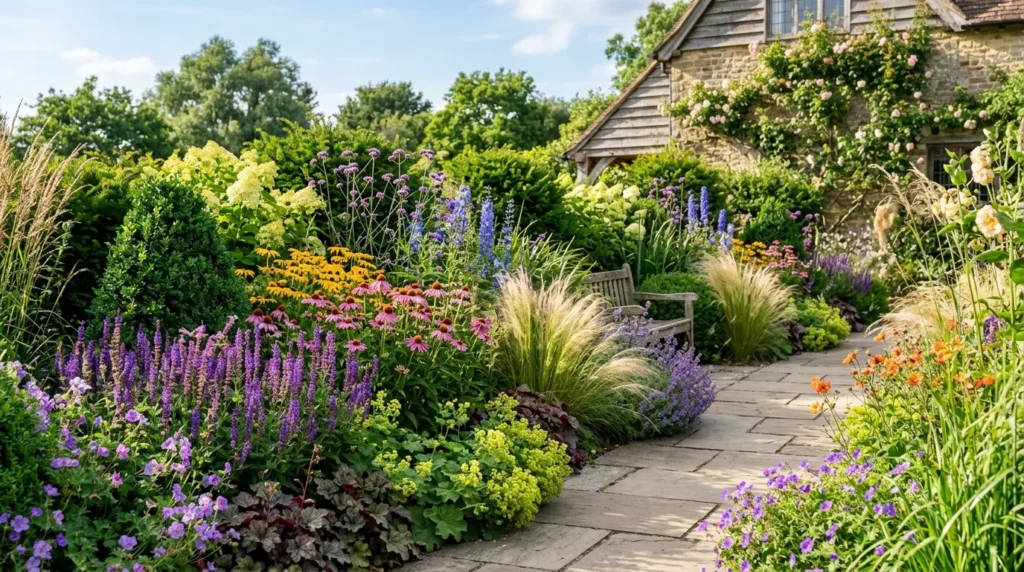
Layered planting is one of the most effective techniques for creating a landscape that feels full, balanced, and visually interesting. Rather than placing plants in a single row, this approach uses multiple heights and textures to build depth throughout the garden. Taller shrubs and ornamental grasses provide structure while medium-height perennials and lower ground covers fill the foreground.
I’ve seen this technique transform flat landscapes into gardens that feel lush and intentional. The layering effect naturally guides the eye through the space while ensuring that every plant contributes to the overall design. It also helps maintain interest across different seasons as various plants bloom and change throughout the year.
How To Style It
Position taller plants toward the back of borders and gradually transition to shorter varieties near the front. Incorporate a mix of evergreen shrubs, flowering perennials, and ornamental grasses for year-round appeal.
Repeat key plants throughout the border to create consistency. Fresh mulch and defined edging can further enhance the professional appearance of the planting scheme.
2. Modern Garden Pathways
Quick Benefits
- Improves accessibility
- Creates visual structure
- Enhances curb appeal
- Defines outdoor zones
- Adds architectural interest
Why It Works
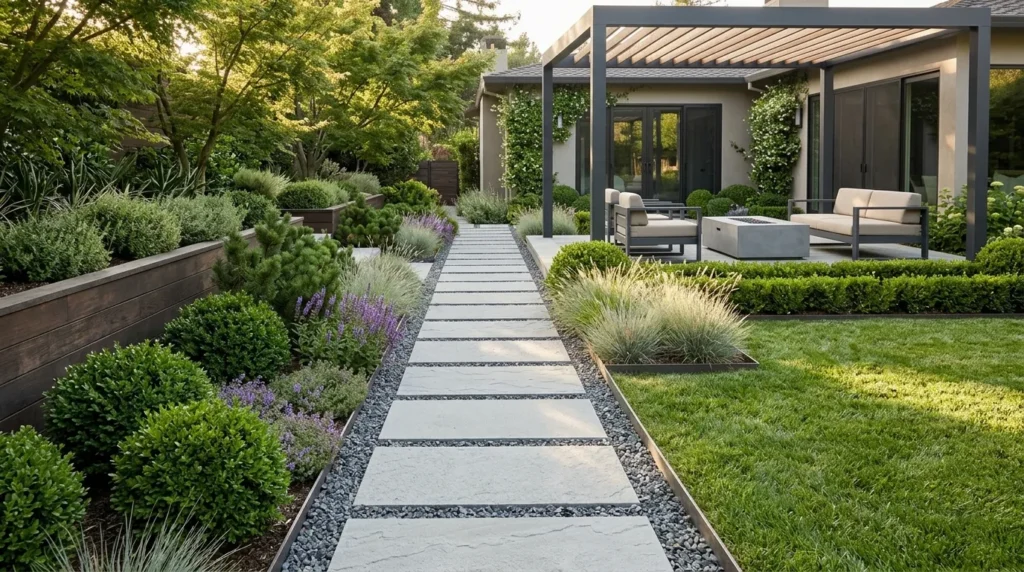
Pathways play a major role in how people experience a garden. A thoughtfully designed walkway not only improves movement but also helps organize the landscape into functional areas. Modern pathways often feature clean lines, durable materials, and simple layouts that complement contemporary outdoor spaces.
One simple trick I always suggest is using pathways to guide visitors toward a focal point. Whether it’s a seating area, water feature, or garden sculpture, the path helps create a sense of journey and purpose throughout the landscape.
How To Style It
Choose materials such as large concrete pavers, natural stone, gravel, or brick depending on your preferred aesthetic. Keep the design consistent with the style of your home and surrounding landscape.
Border pathways with low-growing plants, decorative lighting, or simple edging to create a finished appearance while improving nighttime visibility.
3. Vertical Green Walls
Quick Benefits
- Maximizes limited space
- Creates a dramatic focal point
- Adds greenery to hard surfaces
- Improves privacy
- Works in small gardens
Why It Works
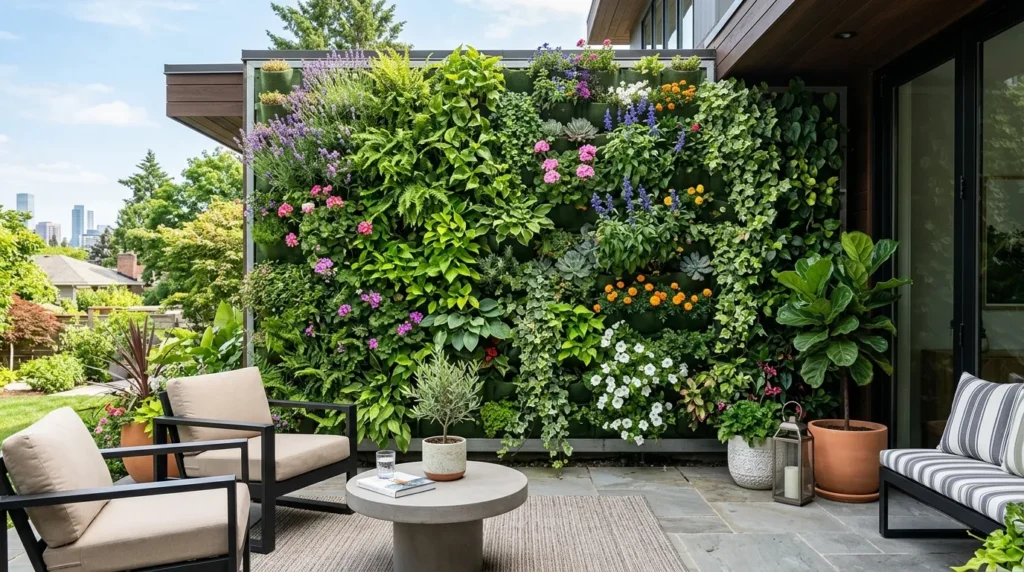
Vertical gardens are a smart solution for homeowners who want more greenery without sacrificing valuable floor space. By growing plants upward, you can introduce texture, color, and life to walls, fences, and outdoor structures that might otherwise feel plain or underutilized.
Vertical planting systems also create strong visual impact. The lush appearance draws attention and helps soften architectural elements while contributing to a more natural environment.
How To Style It
Use modular planters, trellis systems, wall-mounted containers, or living wall panels. Combine trailing vines, flowering plants, herbs, and textured foliage for a layered effect.
Maintain consistent watering and select plants suited to your climate and light conditions. Repeating colors and textures helps create a cohesive design.
4. Outdoor Lounge Zones
Quick Benefits
- Encourages outdoor living
- Increases functionality
- Creates a relaxing retreat
- Supports entertaining
- Enhances comfort
Why It Works
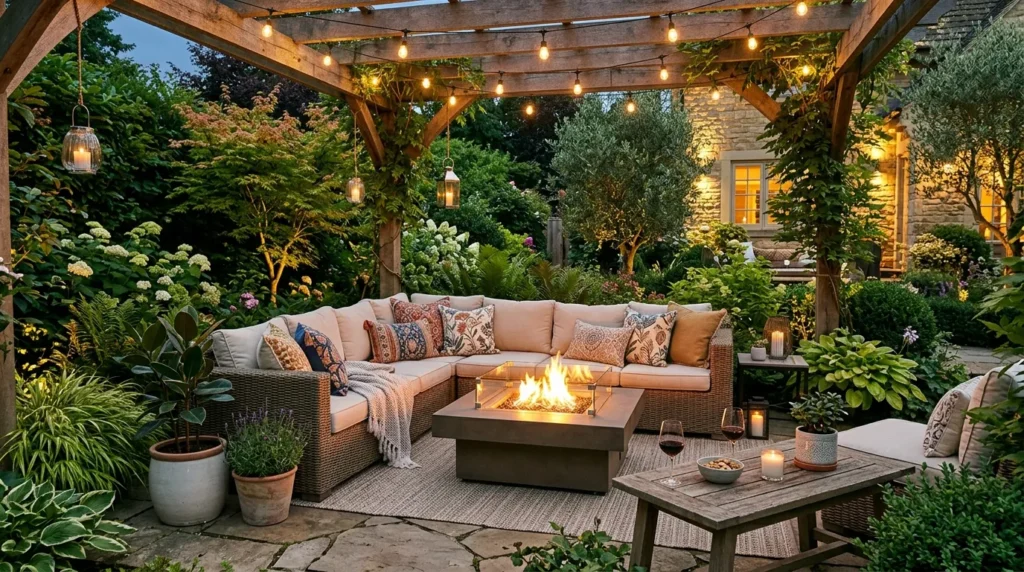
A garden becomes significantly more valuable when it includes a place to sit and enjoy the surroundings. Outdoor lounge zones transform landscaping from something you simply look at into a space you actively use. Comfortable seating encourages relaxation while creating opportunities for social gatherings and quiet moments alike.
Many homeowners discover that adding a dedicated seating area dramatically increases the amount of time they spend outdoors. The garden becomes an extension of the home rather than just a decorative backdrop.
How To Style It
Choose weather-resistant furniture that complements your garden’s style. Add outdoor cushions, side tables, and planters to make the area feel welcoming and complete.
Position seating to take advantage of attractive views, shade, or focal points within the landscape. Soft outdoor lighting can enhance usability during evening hours.
5. Raised Planter Designs
Quick Benefits
- Improves organization
- Easier maintenance
- Better drainage
- Attractive appearance
- Flexible planting options
Why It Works
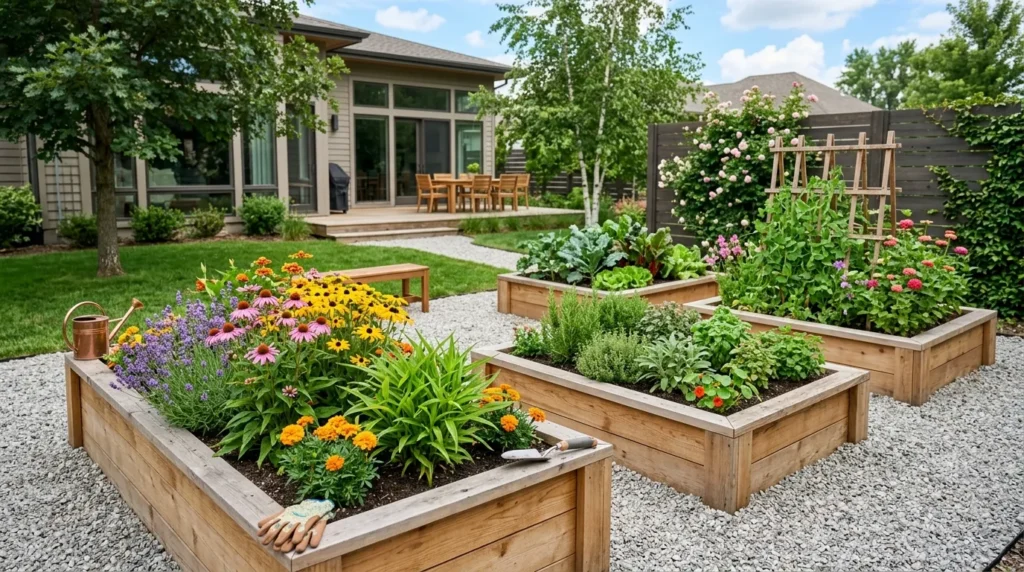
Raised planters offer an excellent balance of practicality and style. They make gardening more accessible while helping define outdoor spaces. The elevated structure also improves soil quality and drainage, which can contribute to healthier plants and more successful gardening outcomes.
I’ve noticed that raised planters often make gardens feel more organized because they create clear boundaries and designated planting areas. This structure contributes to a cleaner and more polished overall appearance.
How To Style It
Choose materials such as wood, stone, metal, or composite boards based on your design preferences. Arrange planters in symmetrical layouts for a formal look or varied groupings for a more relaxed style.
Fill them with flowers, herbs, vegetables, or mixed plantings depending on your goals. Surround the planters with gravel, mulch, or decorative paving for a cohesive finish.
6. Smart Garden Lighting
Quick Benefits
- Extends outdoor usability
- Improves safety
- Creates evening ambiance
- Highlights key features
- Enhances property value
Why It Works
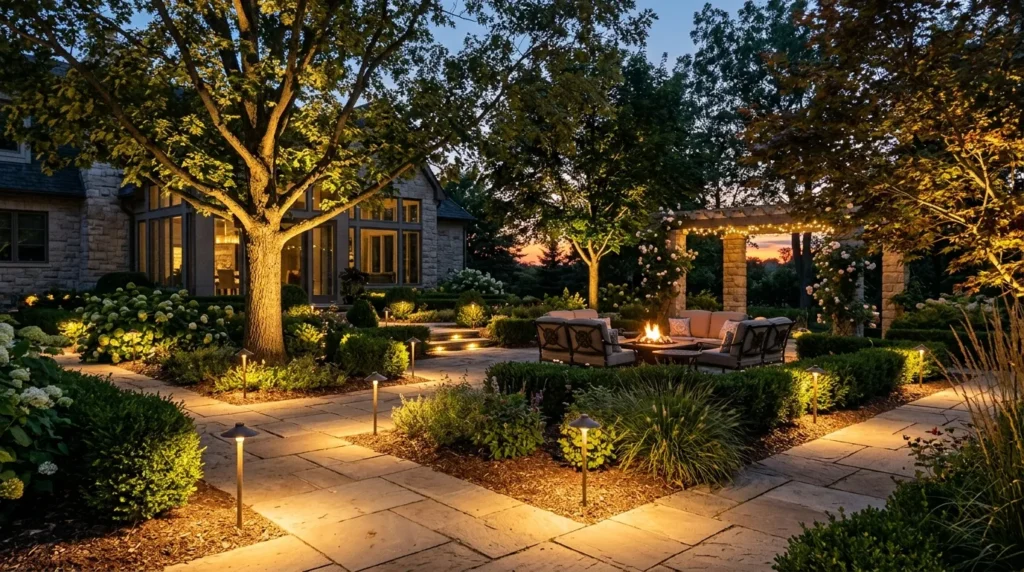
Garden lighting is one of the smartest upgrades you can make because it completely changes how a landscape functions after sunset. During the day, plants, pathways, and architectural features rely on natural sunlight for impact. At night, carefully placed lighting creates depth, atmosphere, and visual drama that transforms the entire outdoor experience.
I’ve noticed that homeowners are often surprised by how much larger and more luxurious their garden feels once lighting is added. Pathways become more inviting, seating areas feel cozy, and focal points such as trees or water features gain extra importance. Lighting also improves safety by reducing dark areas and making walkways easier to navigate.
How To Style It
Combine multiple lighting types for the best effect. Use pathway lights for navigation, uplights to highlight trees and shrubs, and string lights to create a warm social atmosphere.
Choose warm white bulbs rather than cool tones to maintain a welcoming feel. Solar-powered fixtures are excellent for flexibility, while low-voltage systems provide a more professional and long-lasting solution.
7. Multi-Level Landscaping
Quick Benefits
- Adds visual depth
- Creates natural zones
- Enhances drainage
- Increases interest
- Works on sloped lots
Why It Works
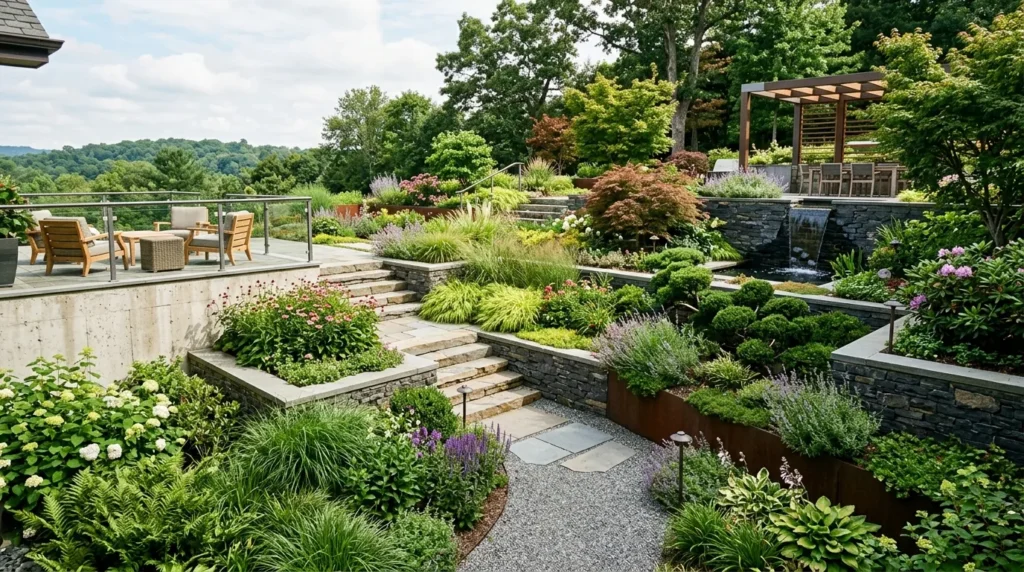
Multi-level landscaping introduces dimension that instantly makes a garden feel more dynamic. Instead of a single flat space, varying heights create opportunities for different planting areas, seating zones, and focal points. The result is a landscape that feels professionally designed and visually engaging.
One thing that works especially well is using different levels to separate functions within the garden. A dining area, lounge space, and flower bed can each occupy their own zone while still feeling connected. This approach maximizes usability and helps organize the landscape naturally.
How To Style It
Use retaining walls, terraces, raised beds, or elevated patios to create different levels. Incorporate stone, wood, or concrete materials that complement the home’s architecture.
Plant cascading flowers or ornamental grasses along level changes to soften transitions. Repeating colors and materials throughout the landscape helps maintain cohesion.
8. Decorative Water Features
Quick Benefits
- Creates a focal point
- Adds soothing sound
- Encourages relaxation
- Attracts wildlife
- Enhances luxury appeal
Why It Works
Water features add a sensory element that plants alone cannot provide. The gentle sound of moving water creates a calming atmosphere while helping mask noise from nearby streets or neighbors. Even a small fountain can significantly improve the mood of an outdoor space.
In my experience, water features often become the heart of the garden. Guests naturally gravitate toward them, and homeowners frequently find themselves spending more time outdoors simply because the environment feels more peaceful and relaxing.
How To Style It
Choose a feature that suits the scale of your garden, such as a compact fountain, bubbling urn, pond, or modern water wall. Position it where it can be enjoyed from seating areas and indoor views.
Surround the feature with natural stone, ornamental grasses, and flowering plants to create a cohesive and inviting setting.
9. Statement Container Gardens
Quick Benefits
- Flexible design option
- Easy seasonal updates
- Ideal for renters
- Adds instant color
- Works in any size space
Why It Works
Container gardens provide a simple way to introduce color, texture, and personality into a landscape. Unlike permanent planting beds, containers can be moved, rearranged, and updated as the seasons change. This flexibility makes them ideal for homeowners and renters alike.
I’ve seen statement containers completely transform patios, entryways, and balconies. A carefully designed grouping of planters can create just as much impact as a large garden bed while requiring significantly less commitment.
How To Style It
Use a combination of container sizes and heights to create visual interest. Follow the thriller, filler, and spiller formula by combining upright plants, mounding flowers, and trailing foliage.
Choose containers that complement your home’s style and repeat colors throughout the display for a polished appearance.
10. Contemporary Garden Styling
Quick Benefits
- Creates a cohesive design
- Timeless modern appeal
- Easy maintenance
- Clean visual appearance
- Enhances property value
Why It Works
Contemporary garden design focuses on simplicity, structure, and balance. Rather than relying on excessive decoration, it uses clean lines, thoughtful plant choices, and high-quality materials to create an elegant outdoor environment. This approach works particularly well for modern homes but can also be adapted to more traditional properties.
A mistake many homeowners make is mixing too many styles and materials. Contemporary landscapes avoid this issue by maintaining consistency throughout the design, which helps the entire garden feel more intentional and sophisticated.
How To Style It
Choose a restrained color palette and focus on architectural plants such as ornamental grasses, boxwoods, and sculptural shrubs. Incorporate modern paving materials, streamlined furniture, and simple decorative accents.
Use repetition to create rhythm and maintain a clutter-free environment. Well-defined planting beds and clean edges help reinforce the contemporary aesthetic.
Frequently Asked Questions
What is the easiest way to make a garden look more stylish?
Adding defined pathways, layered planting, decorative containers, and outdoor lighting are some of the easiest ways to improve a garden’s appearance. These upgrades create structure and visual interest without requiring a complete redesign.
Are vertical gardens difficult to maintain?
Not necessarily. Modern vertical garden systems are designed for ease of use. Choosing appropriate plants and installing a simple irrigation system can significantly reduce maintenance requirements.
How can I make a small garden feel larger?
Use vertical planting, curved pathways, layered landscaping, and consistent color schemes. Keeping the design uncluttered and incorporating mirrors or reflective surfaces can also create a greater sense of space.
What lighting works best for gardens?
Warm white LED lighting is generally the most versatile option. Combining pathway lights, uplighting, and accent lighting helps create a balanced and inviting outdoor environment.
Do water features require a lot of maintenance?
Smaller fountains and self-contained water features typically require minimal maintenance. Regular cleaning and occasional water refills are often sufficient to keep them functioning properly.
Are raised planters worth the investment?
Yes. Raised planters improve drainage, make gardening easier, and add visual structure to outdoor spaces. They are particularly beneficial for homeowners who want organized and low-maintenance planting areas.
Conclusion
A smart and stylish garden combines beauty with functionality, creating an outdoor space that supports both relaxation and everyday living. Whether you’re introducing layered plant borders, upgrading your lighting, adding a water feature, or creating a cozy lounge area, each improvement contributes to a landscape that feels more welcoming and enjoyable.
One thing I’ve learned is that successful gardens rarely happen by accident. They result from thoughtful planning, consistent design choices, and a focus on how people actually use the space. Even small upgrades can have a significant impact when they are implemented strategically.
The best part is that you don’t need to tackle every project at once. Start with one or two ideas that fit your budget and lifestyle. Over time, you can continue refining the space and building a garden that reflects your personal style while supporting the way you live.
With the right balance of greenery, structure, comfort, and creativity, any outdoor area can become a beautiful retreat that enhances your home and provides enjoyment throughout the year.
Related Articles
- 10 Modern Backyard Landscaping Ideas
- 10 Beautiful Garden Pathway Ideas
- 10 Outdoor Patio Decorating Ideas
- 10 Small Garden Design Ideas
- 10 Front Yard Landscaping Ideas