11 Modern Jacuzzi Outdoor Ideas With Sleek Clean Lines
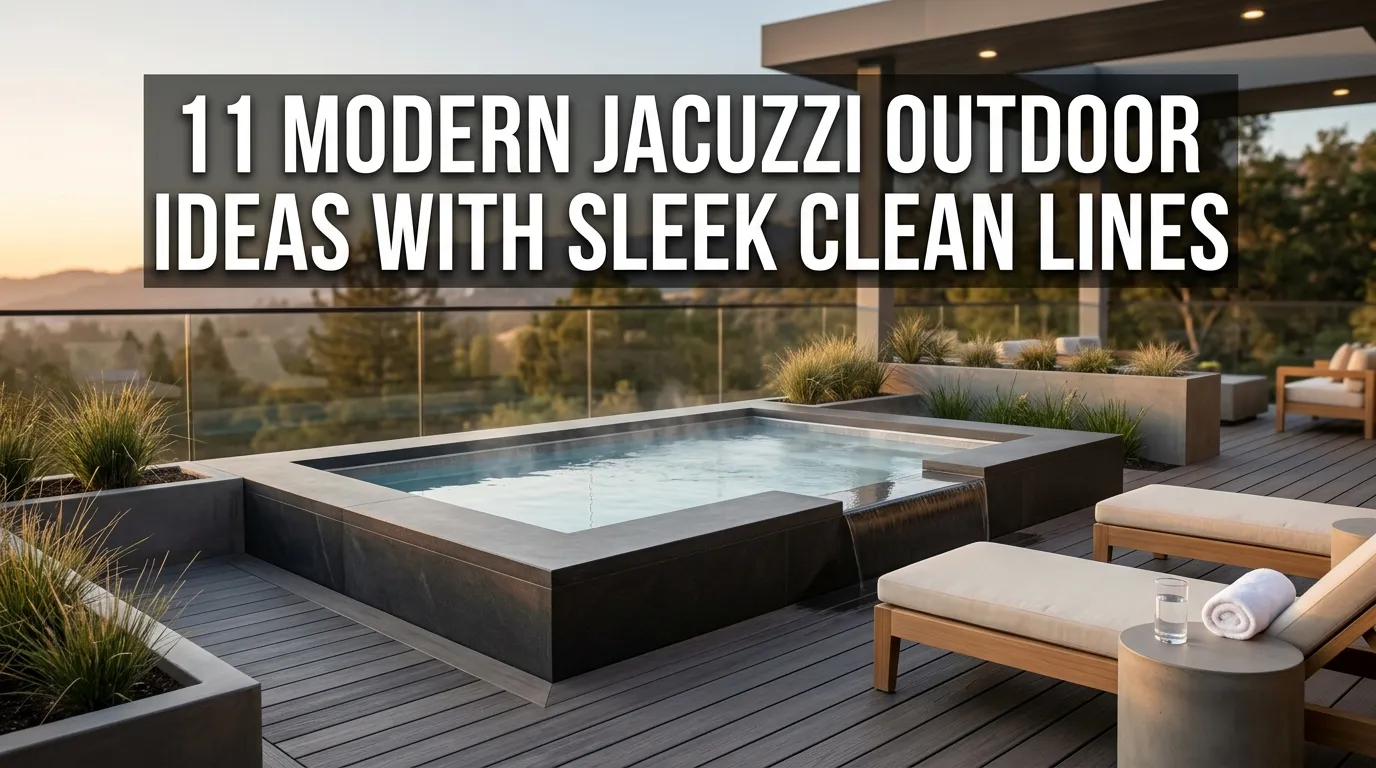
A backyard jacuzzi can feel like a luxury retreat without looking overly elaborate. In fact, some of the most beautiful outdoor spa spaces rely on surprisingly simple ingredients: smooth concrete, natural stone, restrained landscaping, warm lighting, and carefully chosen furniture.
The secret is not adding more. It is creating a setting where every element feels intentional.
Modern outdoor design works particularly well around a jacuzzi because clean architectural lines naturally create a sense of calm. A rectangular spa surrounded by large-format concrete pavers can look architectural and sophisticated, while stone walls, sculptural plants, and subtle lighting soften the harder surfaces. The result is a backyard that feels private, peaceful, and connected to the home.
If your current outdoor area feels unfinished, a jacuzzi can also become the anchor for a much larger design. Instead of simply placing a spa on an existing patio, think about creating an entire experience around it. Consider where you want to sit before and after soaking, how you will move through the space, where towels and accessories will go, and what will provide privacy.
In my experience, the most relaxing outdoor spaces have a clear visual rhythm. You see a few beautiful materials repeated throughout the area rather than a collection of unrelated finishes. Concrete might appear in the patio, stone might frame the spa, and warm wood could be introduced through a privacy screen or lounge furniture.
The following ideas focus on creating that balance. They combine sleek architecture with natural textures so the finished backyard feels modern without becoming cold. Whether you are designing a completely new patio or refreshing an existing jacuzzi area, these concepts can help you create an outdoor retreat that feels genuinely relaxing.
Table of Contents
1. Concrete Spa Platform
Create a crisp architectural foundation by surrounding the jacuzzi with a clean concrete platform.
2. Stone Privacy Wall
Use natural stone to create privacy while adding texture and visual depth.
3. Linear Water Feature
Pair the spa with a restrained water feature for an elegant resort-inspired atmosphere.
4. Built-In Lounge Area
Create a seamless seating zone where you can relax before or after soaking.
5. Vertical Greenery
Soften hard modern surfaces with carefully selected plants arranged vertically.
6. Floating Stone Steps
Use oversized stone steps to create a dramatic, minimalist approach to the spa.
7. Covered Spa Pavilion
Add architectural shelter to make the jacuzzi retreat more comfortable throughout the year.
8. Warm Integrated Lighting
Use concealed lighting to create a relaxing atmosphere after sunset.
9. Sunken Spa Design
Integrate the jacuzzi into the surrounding hardscape for a sophisticated built-in appearance.
10. Privacy Screen
Combine modern screening with natural materials to create a secluded retreat.
11. Neutral Spa Retreat
Bring all the elements together through a restrained neutral palette and uncluttered styling.
1. Concrete Spa Platform
Quick Benefits
- Creates a clean architectural foundation
- Works beautifully with modern homes
- Easy to coordinate with stone
- Makes the jacuzzi feel intentional
- Provides a defined outdoor spa zone
Why It Works
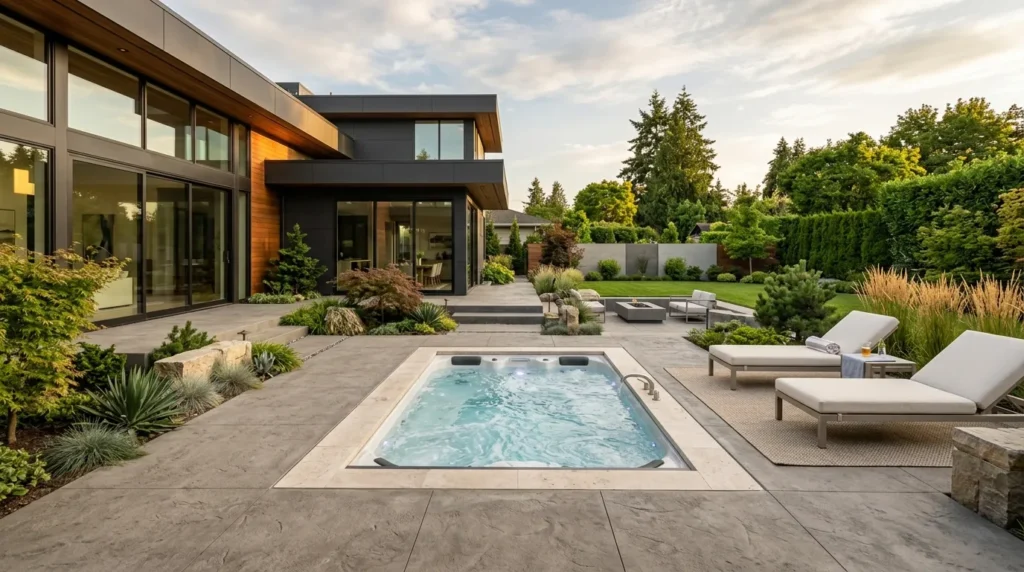
A concrete platform is one of the simplest ways to make an outdoor jacuzzi feel like part of the home’s architecture rather than an object placed randomly in the yard. The broad, uninterrupted surface creates visual calm and gives the spa a strong foundation.
Large-format concrete slabs are especially effective in contemporary outdoor spaces because they minimize distracting grout lines. When the patio, steps, and surrounding structures share similar tones, the entire area feels cohesive.
This approach also gives you room to create distinct zones around the jacuzzi. A narrow strip can become a towel area, while a wider section can accommodate lounge chairs or a small side table.
The key is restraint. Too many finishes can make a modern patio feel busy. A simple concrete base paired with one complementary stone creates a much more sophisticated result.
How To Style It
Choose a concrete tone that complements your home’s exterior. Light warm gray works beautifully with natural stone, while charcoal concrete can create a dramatic contemporary appearance.
Keep the slab layout simple, using clean rectangular shapes and consistent spacing. If the jacuzzi is freestanding, leave enough surrounding space for comfortable access and maintenance.
Add a narrow stone border if you want more texture without introducing another major material. A pair of streamlined lounge chairs can sit at one edge, while a simple outdoor side table provides a convenient place for drinks or towels.
For the finishing touch, use restrained landscaping rather than filling every available corner. A few architectural grasses or sculptural evergreen plants can soften the concrete while maintaining the clean-lined aesthetic.
2. Stone Privacy Wall
Quick Benefits
- Adds privacy naturally
- Introduces organic texture
- Creates a luxurious backdrop
- Helps define the spa zone
- Works with minimalist architecture
Why It Works
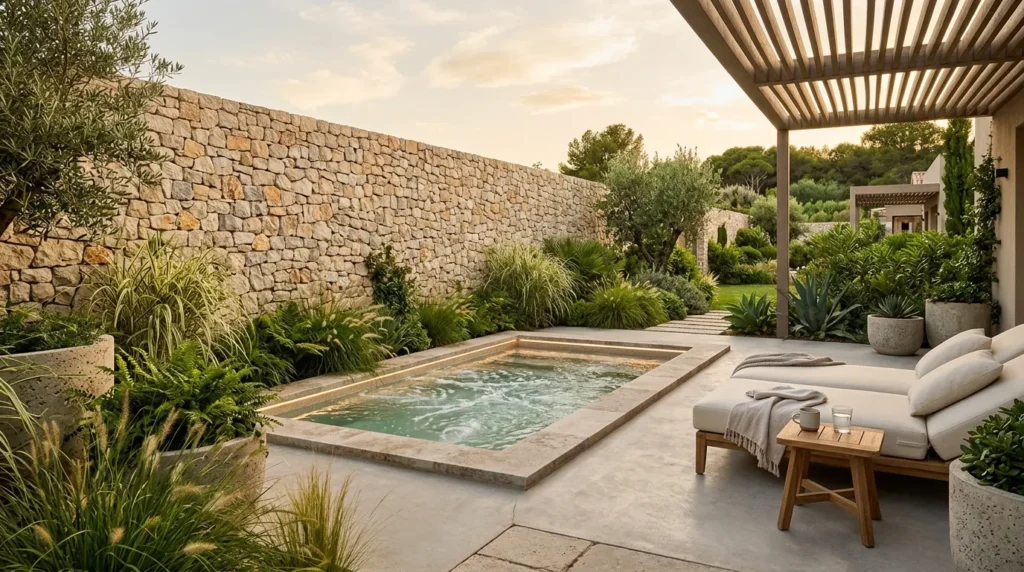
Natural stone is an excellent counterpoint to sleek concrete. While concrete provides a smooth, structured surface, stone introduces irregular texture and subtle variations that make the space feel more connected to nature.
A stone privacy wall can also solve one of the biggest challenges of an outdoor spa: creating a sense of seclusion. Instead of relying entirely on tall fencing, you can use a partial wall to block direct sightlines while maintaining an open feeling above it.
The most successful modern designs usually avoid overly busy stone patterns. Large-format slabs, stacked stone with consistent lines, or lightly textured natural stone can all work beautifully when paired with minimalist architecture.
The wall becomes more than a privacy feature. It becomes the visual backdrop that makes the jacuzzi feel like a destination.
How To Style It
Choose one dominant stone and repeat it sparingly throughout the space. A warm limestone, pale travertine, or muted gray stone can create a sophisticated backdrop without overwhelming the jacuzzi.
Keep the wall relatively simple in shape. A long horizontal wall often reinforces the sleek geometry of the space.
You can soften one end with tall ornamental grasses or sculptural greenery. Avoid covering the entire wall with plants because the stone itself should remain visible.
For evening use, install subtle lighting that grazes across the stone surface. The light will emphasize texture without making the space feel overly bright.
Add neutral outdoor cushions and minimal furniture so the wall remains the architectural focal point.
3. Linear Water Feature
Quick Benefits
- Adds soothing movement
- Creates a resort-like atmosphere
- Reinforces horizontal lines
- Works in contemporary yards
- Provides a strong visual focal point
Why It Works
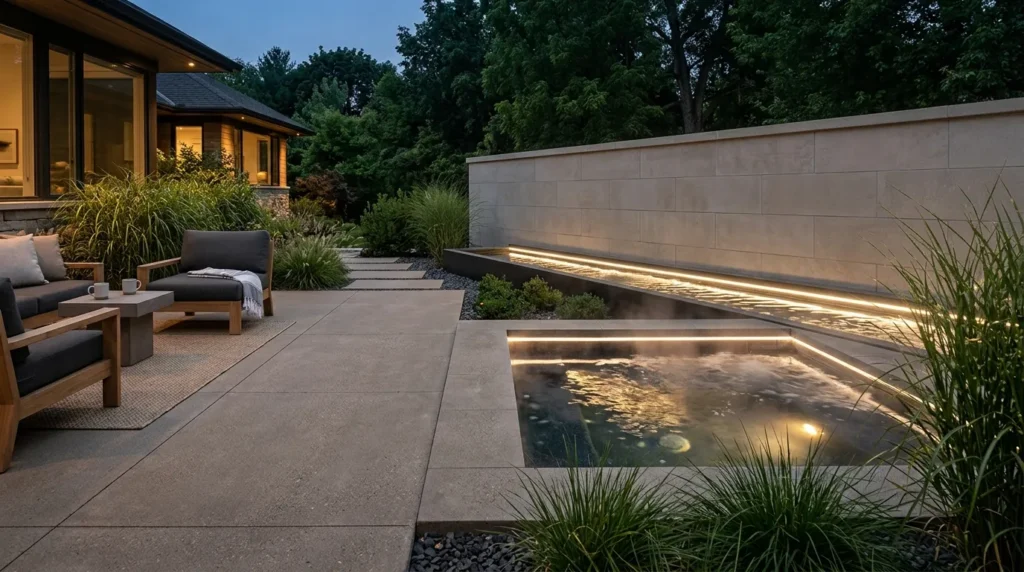
Water naturally complements a jacuzzi, but the feature does not need to be elaborate. A narrow linear water feature can introduce movement while preserving the minimalist character of the space.
Think of a shallow rectangular trough, a slim wall fountain, or a simple spillway integrated into a stone wall. The horizontal shape works particularly well with contemporary architecture because it reinforces the long, clean lines already present in the patio.
There is also something psychologically calming about combining warm water in the jacuzzi with the gentle sound and movement of nearby water. Together, they can make the backyard feel more like a private resort.
The most important consideration is proportion. A huge water feature can compete with the spa, while a smaller one can provide just enough visual interest.
How To Style It
Position the water feature along a wall or at the edge of the patio rather than directly beside the jacuzzi. This creates visual separation and prevents the space from feeling crowded.
Use the same stone or concrete finish found elsewhere in the patio so the water feature feels integrated.
A dark interior surface can make the water appear deeper and more reflective, while lighter stone creates a softer appearance.
Keep surrounding landscaping simple. One or two architectural plants can frame the feature without distracting from the water.
At night, use subtle underwater or concealed lighting rather than bright spotlights. The goal is a soft glow that complements the jacuzzi rather than turning the backyard into a brightly illuminated entertainment space.
4. Built-In Lounge Area
Quick Benefits
- Creates a complete relaxation zone
- Adds comfortable seating
- Makes the jacuzzi more functional
- Supports entertaining
- Maintains a clean visual profile
Why It Works
A jacuzzi becomes much more useful when the surrounding area supports the entire relaxation experience. A built-in lounge allows you to sit outside before soaking, dry off afterward, enjoy a drink, or simply spend time outdoors without getting into the water.
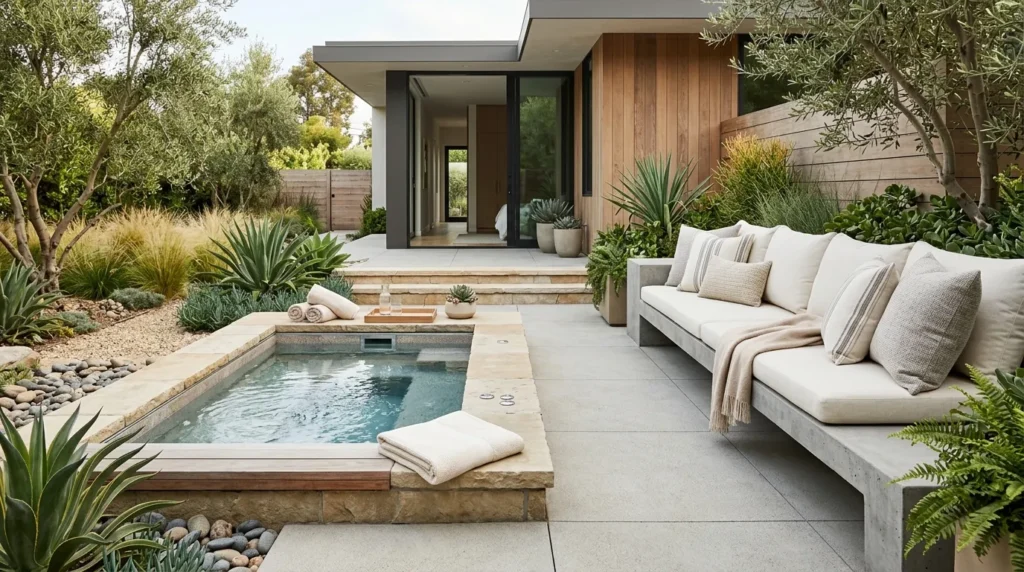
Built-in seating is especially effective in modern spaces because it can follow the architecture of the patio. Instead of adding several unrelated chairs, you can create one long bench that visually connects the spa area to the surrounding hardscape.
This approach also helps keep the backyard uncluttered. Furniture can be designed around the available space rather than forcing the patio to accommodate oversized outdoor pieces.
A simple built-in bench can look incredibly luxurious when paired with comfortable cushions and carefully selected materials.
How To Style It
Build the seating from concrete, masonry, or stone that coordinates with the patio. Add thick outdoor cushions in ivory, taupe, beige, or soft gray.
Keep the cushions relatively simple. Avoid busy patterns if the goal is a sleek retreat.
A narrow wood accent can warm up the hardscape. For example, a wood seat surface or slim privacy screen can provide enough warmth without changing the overall minimalist direction.
Place a small side table at one end for towels, water, or accessories. Keep the center of the lounge area open.
For a more intimate feeling, position the seating against a privacy wall and use plants at the corners to create a subtle enclosure.
5. Vertical Greenery
Quick Benefits
- Softens concrete and stone
- Adds natural color
- Improves privacy
- Creates visual height
- Makes modern spaces feel warmer
Why It Works
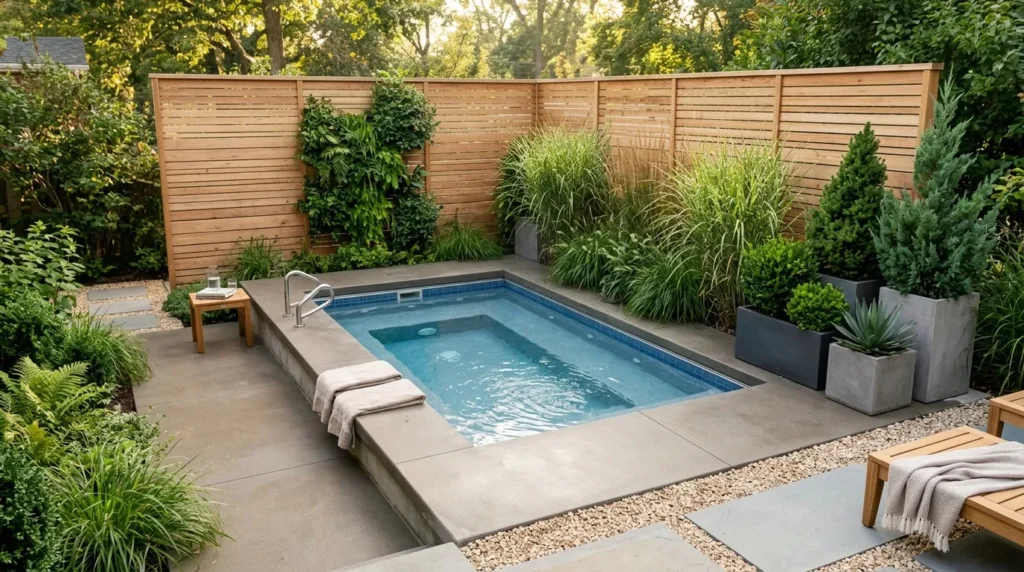
Modern patios can sometimes feel visually hard because they rely heavily on concrete, stone, glass, and metal. Plants provide the softness needed to balance those materials.
Rather than filling the backyard with many different varieties, a minimalist garden works best when plants are selected for shape, texture, and repetition. Tall grasses, clipped evergreens, bamboo where appropriate, and sculptural plants can all create vertical interest without making the space look cluttered.
Vertical greenery is particularly useful around a jacuzzi because plants can help define the retreat without requiring a large footprint.
The goal isn’t to hide everything behind dense vegetation. Instead, use plants strategically to frame views, soften corners, and create a feeling of privacy.
How To Style It
Start with a restrained planting palette. Choose two or three plant types and repeat them throughout the space.
Tall planters can be positioned beside the jacuzzi or near a privacy screen. Select containers in concrete, stone, charcoal, or matte neutral finishes so they blend with the architecture.
Use plants with strong silhouettes rather than overly colorful flowers. Ornamental grasses, evergreen shrubs, and sculptural foliage often work especially well in contemporary landscapes.
Leave some negative space between plants. That empty space is important because it allows the architecture to remain visible.
For evening relaxation, position subtle landscape lights near larger plants so their shapes become softly visible after dark.
6. Floating Stone Steps
Quick Benefits
- Creates a dramatic entrance
- Adds architectural interest
- Reinforces clean lines
- Connects different patio levels
- Makes the spa feel custom-designed
Why It Works
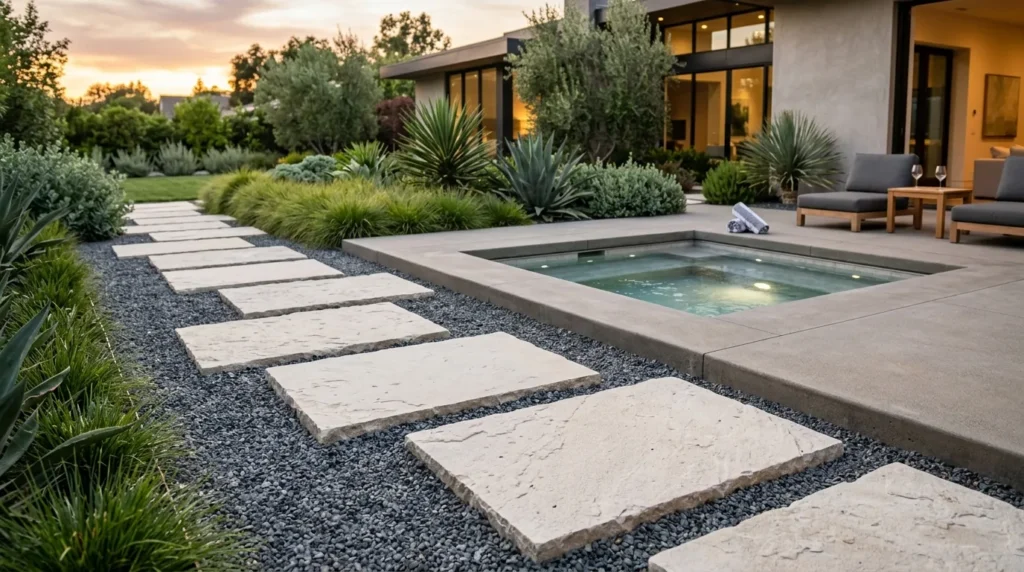
A carefully designed path can make a jacuzzi feel like a destination rather than simply another backyard feature. Floating stone steps create that sense of arrival while maintaining a minimalist appearance.
Large rectangular slabs separated by narrow gaps create a clean visual rhythm. When installed across gravel, decorative stone, or low groundcover, they appear to float toward the spa.
This idea is particularly useful when the jacuzzi sits slightly away from the main patio or on a different level. The path can visually connect the two areas while adding architectural character.
The materials should remain consistent with the rest of the backyard. Repeating the same stone or concrete finish helps the steps feel intentional.
How To Style It
Choose oversized rectangular slabs with straight edges. Keep the spacing consistent for a polished appearance.
Use a low-contrast gravel or stone base around the slabs. Warm gray gravel works beautifully with pale concrete, while darker stone can create a more dramatic look.
Avoid adding too many decorative objects along the path. Let the geometry do the work.
You can frame one side with low ornamental grasses or sculptural plants, but leave the other side open to preserve the minimalist feeling.
Make sure the path is properly installed, stable, and comfortable to walk across. A beautiful modern design still needs to function well in everyday use.
7. Covered Spa Pavilion
Quick Benefits
- Provides shade and shelter
- Creates a defined retreat
- Adds architectural character
- Makes the spa feel more private
- Extends outdoor usability
Why It Works
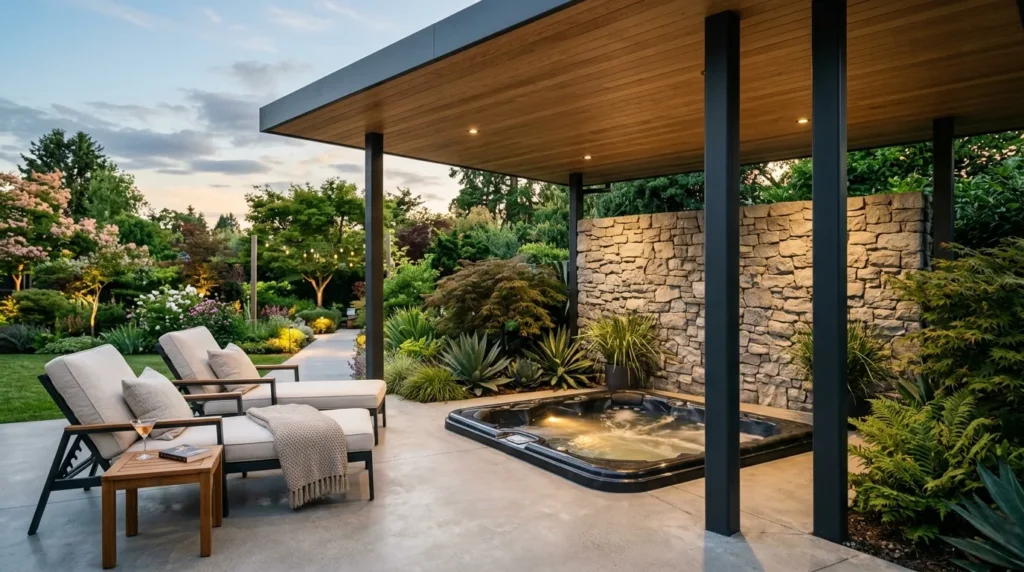
A covered pavilion can transform a jacuzzi from a backyard amenity into a true outdoor room. The overhead structure creates a sense of enclosure while still allowing the sides to remain open to the garden.
For a sleek modern aesthetic, the pavilion should have simple proportions and minimal ornamentation. Think flat rooflines, slim structural posts, warm wood accents, and large open sections rather than traditional decorative details.
The structure also gives you another opportunity to integrate lighting, privacy screens, and storage.
A covered space can feel especially relaxing during bright afternoons or cooler evenings because it creates a transition between the open backyard and the more intimate spa area.
How To Style It
Use a restrained material palette. Concrete or stone flooring can anchor the pavilion, while a warm wood ceiling or privacy screen introduces visual softness.
Keep the roofline simple and coordinate its proportions with the house. A structure that is too large can overwhelm a small backyard.
Add a pair of streamlined lounge chairs or a built-in bench rather than filling the pavilion with furniture.
For lighting, consider recessed fixtures, concealed LED strips, or subtle wall lighting. Avoid excessive decorative fixtures if you want the architecture to remain the star.
If you add curtains or screens, choose neutral outdoor fabrics that can handle the conditions in your area.
8. Warm Integrated Lighting
Quick Benefits
- Creates a relaxing evening atmosphere
- Highlights architecture
- Improves visibility
- Adds depth to the landscape
- Makes the spa usable after sunset
Why It Works
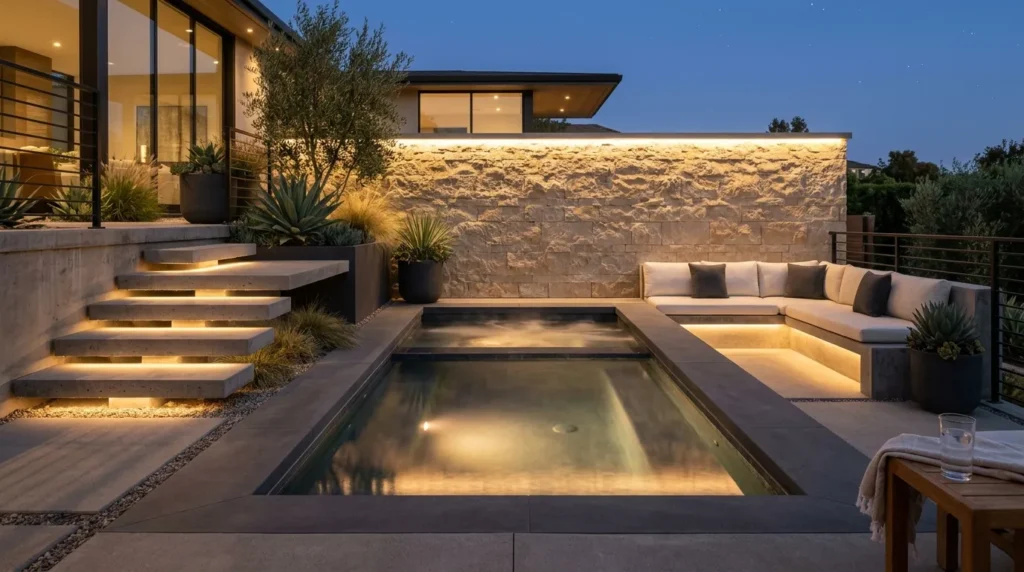
Lighting can completely change the personality of an outdoor jacuzzi area. During the day, concrete and stone may look crisp and architectural. At night, carefully placed warm lighting can make those same materials feel intimate and inviting.
The trick is to illuminate surfaces rather than simply flooding the entire space with brightness. Light grazing across a stone wall reveals texture. A soft glow beneath a bench creates depth. Small path lights guide movement without becoming visually distracting.
Modern outdoor lighting works best when the fixtures themselves are difficult to notice. The result should feel like the landscape is glowing naturally.
How To Style It
Begin with functional lighting around steps, paths, and changes in level. Then add subtle accent lighting to stone walls, plants, or architectural details.
Choose warm-toned light rather than harsh white illumination if the goal is relaxation.
Concealed LED strips beneath built-in seating or along architectural edges can create a sophisticated floating effect.
Keep brighter lighting away from the immediate jacuzzi area. The water should remain a calm focal point rather than competing with multiple intense fixtures.
If you enjoy evening entertaining, add dimmable controls so the lighting can shift from practical brightness to a softer spa-like atmosphere.
9. Sunken Spa Design
Quick Benefits
- Creates a custom built-in appearance
- Integrates the jacuzzi with the patio
- Looks especially architectural
- Defines the spa as a focal point
- Works beautifully with stone and concrete
Why It Works
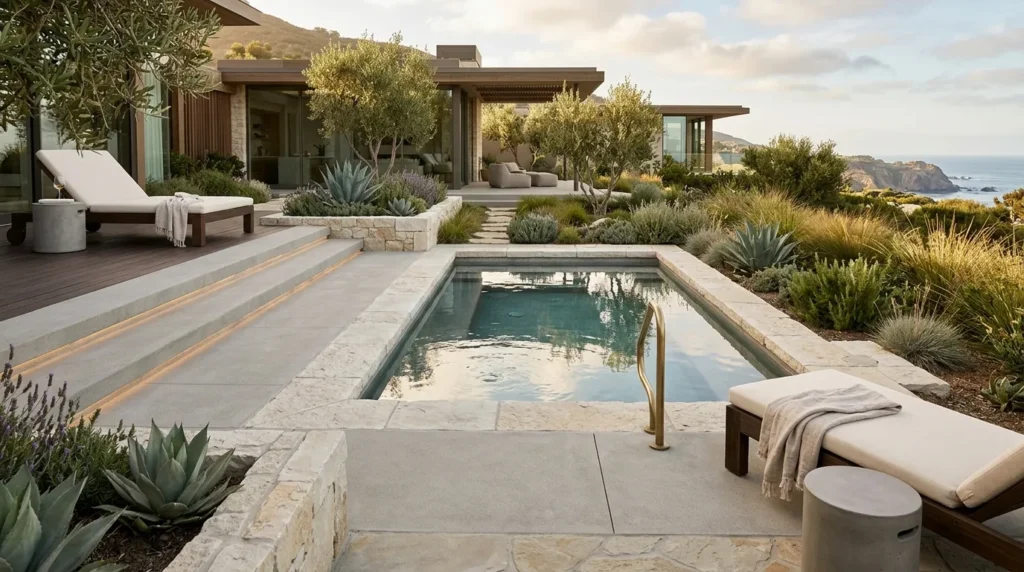
A sunken or partially integrated jacuzzi can look dramatically different from a freestanding spa. Instead of appearing as a large object sitting on the patio, the spa becomes part of the architecture.
This approach is particularly effective with modern landscaping because the clean horizontal lines create a seamless transition between the hardscape and water.
A partially recessed jacuzzi can also visually reduce the height of the spa cabinet. That makes the surrounding patio feel more open and helps the water become the primary visual feature.
This is a more involved installation than simply placing a spa on a prepared surface, so professional planning is important. Access for maintenance should also be considered from the beginning.
How To Style It
Use large-format concrete or stone around the spa to create a continuous visual plane. Keep the surrounding materials restrained so the water remains the star.
A narrow coping edge can create a crisp transition between the jacuzzi and patio. Choose a material that coordinates with nearby stone or concrete.
Avoid cluttering the perimeter with too many planters or accessories. Instead, place greenery strategically at the far edges.
Add built-in steps where needed, using the same stone finish as the surrounding patio. The finished result should feel as though the spa was designed with the backyard from the beginning.
10. Privacy Screen
Quick Benefits
- Creates a secluded atmosphere
- Blocks unwanted views
- Adds architectural structure
- Requires little floor space
- Can become a design feature
Why It Works
Privacy is one of the most important elements of a relaxing outdoor spa. Even a beautifully designed jacuzzi won’t feel like a retreat if neighboring homes, streets, or other parts of the property are constantly visible.
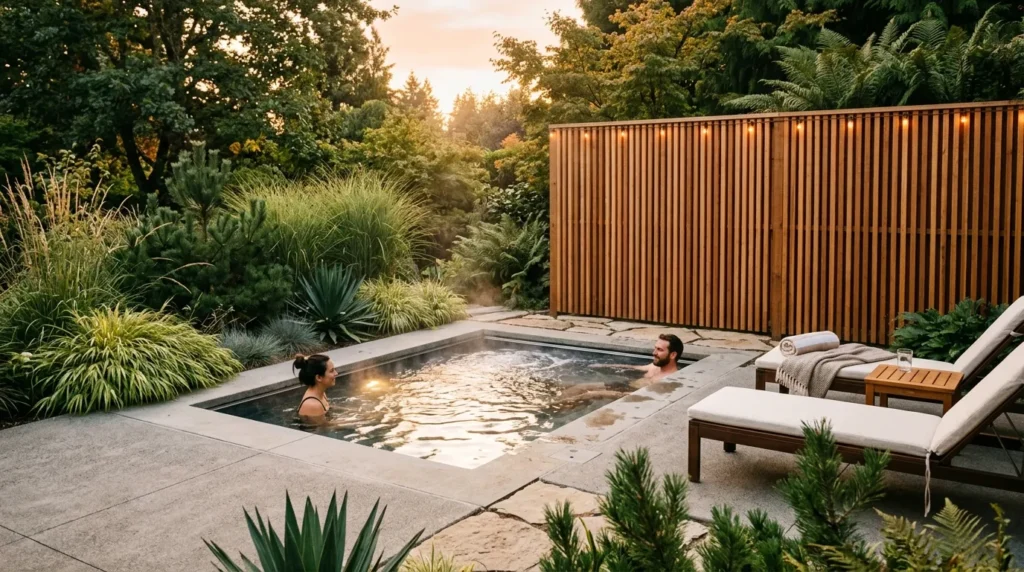
A modern privacy screen solves this without requiring a completely enclosed structure. Slatted wood, architectural panels, stone walls, or a combination of materials can block direct sightlines while allowing light and air to pass through.
The most successful privacy screens become part of the design rather than looking like an afterthought.
Vertical lines can make a small backyard feel taller, while horizontal screens reinforce a low, expansive architectural style.
How To Style It
Choose a screen material that complements the home’s exterior. Warm wood adds softness to concrete and stone, while charcoal metal or architectural panels create a more dramatic contemporary look.
Keep the screen relatively simple. Repeating slats with consistent spacing can provide a strong visual rhythm.
Add greenery around the base rather than covering the entire screen. A few tall grasses or evergreen plants can soften the transition between architecture and landscape.
If the backyard is small, avoid using a completely opaque screen on every side. Blocking one or two key sightlines may be enough to create privacy while keeping the area open.
11. Neutral Spa Retreat
Quick Benefits
- Creates a cohesive look
- Feels calm and timeless
- Works with modern architecture
- Makes styling easier
- Emphasizes the spa experience
Why It Works
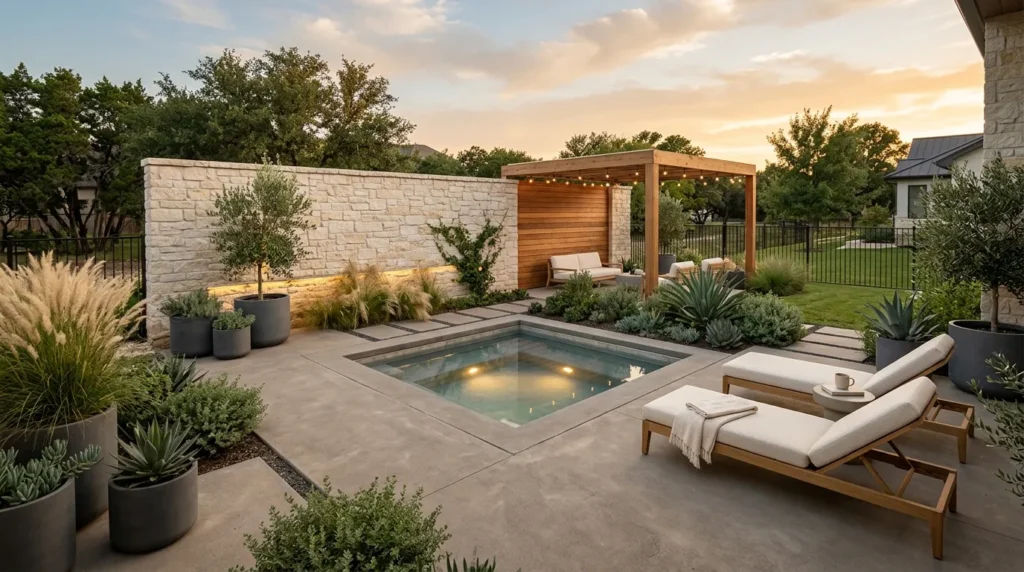
Sometimes the most luxurious backyard spa is the one that simply feels calm. A neutral palette allows the texture of stone, concrete, water, greenery, and natural wood to become the visual interest.
Instead of relying on bright colors or decorative accessories, this approach focuses on proportion and material quality. Warm gray concrete, pale stone, creamy textiles, charcoal accents, and green foliage create a palette that feels sophisticated without becoming sterile.
The neutral approach is also easy to maintain visually. Because the colors coordinate naturally, future changes to furniture, cushions, or landscaping are less likely to disrupt the overall design.
The goal is to create a place where your attention can settle. Nothing should compete unnecessarily with the water, greenery, or open sky.
How To Style It
Begin with three primary materials: concrete, stone, and one warmer accent such as wood. Repeat those materials throughout the space rather than introducing many unrelated finishes.
Use ivory or light beige outdoor cushions to soften built-in seating. Add charcoal through small details such as planters, side tables, or architectural trim.
Keep accessories minimal. One ceramic vessel, a folded stack of outdoor towels, or a simple tray can provide enough personality.
Layer plants around the perimeter and keep the central spa area open.
Finally, consider the view from inside your home. The spa retreat should look attractive even when you’re viewing it through a window. A well-composed outdoor scene can become part of the home’s everyday visual experience.
FAQ
How can I make a jacuzzi look modern?
Focus on clean geometry, restrained materials, and integrated landscaping. Large-format concrete, natural stone, neutral furniture, architectural plants, and concealed lighting can give a jacuzzi a modern appearance. Avoid mixing too many colors or decorative styles. Repeating two or three materials throughout the patio usually creates a more cohesive result.
What materials look best around a modern jacuzzi?
Concrete and natural stone are particularly effective because they provide clean architectural surfaces while adding subtle texture. Warm wood can be introduced through privacy screens or furniture to soften the harder materials. Large-format porcelain or other suitable outdoor paving materials can also create a streamlined appearance when properly selected and installed.
How do I create privacy around an outdoor jacuzzi?
Start by identifying the exact sightlines you want to block. A slatted wood screen, stone wall, architectural panel, pergola, or strategically placed evergreen planting can provide privacy without enclosing the entire area. Combining two approaches often looks more natural than relying on one tall solid barrier.
What colors work best for a minimalist spa patio?
Warm neutrals are an excellent starting point. Consider soft gray, cream, beige, taupe, natural stone, charcoal, and muted green. These shades allow the water and landscaping to remain visual focal points. If the patio feels too cool, introduce warm wood or sandy stone rather than adding many bright colors.
How can I make my jacuzzi area feel like a spa?
Focus on the complete experience rather than the jacuzzi alone. Comfortable seating, privacy, soft lighting, natural materials, organized towel storage, greenery, and a quiet color palette can all contribute to a spa-like atmosphere. Keep the surrounding area uncluttered so the space feels restful as soon as you enter it.
Should a jacuzzi be surrounded by concrete or stone?
Both can work beautifully. Concrete provides a smooth, contemporary foundation, while natural stone adds texture and organic character. Combining them can create an especially sophisticated look. Whichever material you choose, prioritize a properly prepared, level, durable surface and follow the jacuzzi manufacturer’s installation requirements.
How do I keep a modern jacuzzi area from feeling cold?
Balance hard materials with warmer textures. Concrete and stone can be softened with wood, greenery, outdoor cushions, woven accessories, and warm lighting. You can also choose warmer-toned stone and concrete rather than extremely cool gray finishes. A small amount of natural texture can make a minimalist space feel inviting without sacrificing its clean lines.
Conclusion
A modern outdoor jacuzzi doesn’t need elaborate decoration to feel luxurious. The most successful designs often depend on a carefully edited combination of concrete, stone, greenery, privacy, comfortable seating, and warm lighting.
The goal is to make the jacuzzi feel integrated into the backyard rather than simply placed on a patio. A concrete platform can establish a clean foundation, while a stone privacy wall can add texture and seclusion. Built-in seating creates a place to linger, and carefully positioned plants soften the architecture.
If you are working with a larger backyard, a covered pavilion, linear water feature, or partially integrated spa can take the design a step further. For smaller spaces, even a simple privacy screen, compact stone patio, and thoughtful lighting can create a surprisingly luxurious result.
I especially recommend starting with the elements that affect how the space feels rather than the decorative details. Think first about privacy, circulation, shade, seating, and lighting. Once those foundations are right, the styling becomes much easier.
Choose a restrained palette, repeat your favorite materials, and leave enough open space for the architecture to breathe. The result can be a backyard retreat that feels peaceful in the morning, inviting in the afternoon, and wonderfully relaxing after sunset.